From the tribunate of Tiberius Gracchus to the death of Sulla — the fifty years in which Rome learned to turn her armies against herself.
133 – 78 B.C. · The Roman Republic · Italy, Numidia, Gaul & the East
Drawn from The Cambridge Ancient History, Vol. IX — The Roman Republic, 133–44 B.C.
✦ ❧ ✦
Scroll to begin ↓
Ic. 146 – 133 B.C. · The inheritance of empire
A city that had conquered the world — and could not govern itself
In the space of a single lifetime Rome had destroyed her two great rivals. Carthage was burned to the ground in 146 B.C., her fields sown to ruin; in the same year a Roman army sacked Corinth and dissolved the last free league of the Greeks. From the pillars of Hercules to the shores of Asia, no power remained that could stand against the legions. The Mediterranean had become, in the phrase of a later age, mare nostrum — our sea.
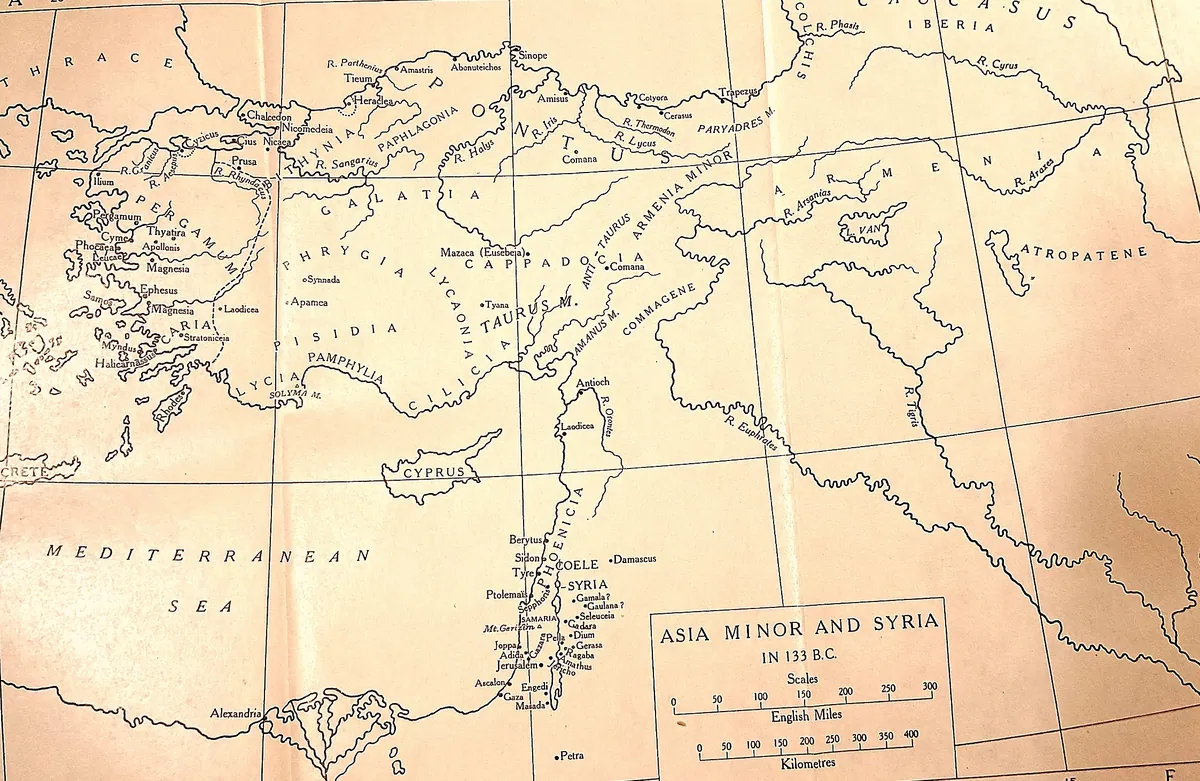
Plate · The East in 133 B.C.Click to enlarge
The legacy that opened the chapter. Pergamum sits on the Aegean coast at the left of the sheet. When Attalus III died in 133 B.C. and left his kingdom to the Roman people, the revenues of the richest land in the Greek world fell into a political quarrel at Rome — and Tiberius Gracchus proposed to spend them on his land commission.
The Cambridge Ancient History (1st ed., Cambridge University Press), map plate “Asia Minor and Syria in 133 B.C.” — photographed from the fold-out sheet and cleaned.
Yet victory carried a poison. The long wars had emptied the Italian countryside of its yeoman farmers, the very men who filled the legions, while the plunder of empire flowed to a narrow senatorial aristocracy. Vast estates — latifundia — worked by armies of foreign slaves swallowed the small holdings. The dispossessed drifted to the city, landless and votes for sale. When Attalus III of Pergamum died in 133 B.C. and left his kingdom to Rome by will, the Republic gained a province and a fortune it had no honest machinery to share.
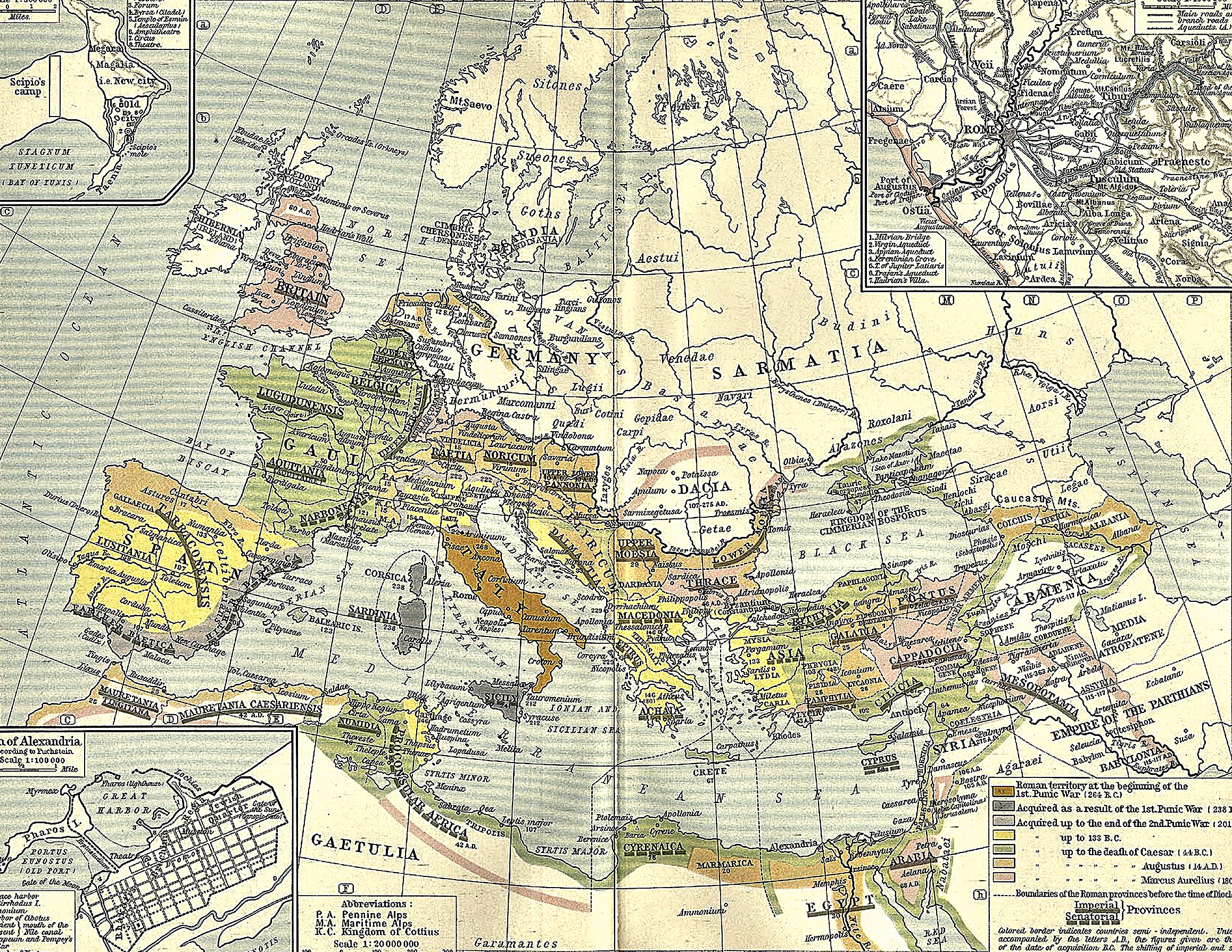
Map · The dominion of RomeClick to enlarge
The Republic at its height. By 133 B.C. Roman power reached from Spain to the Aegean; the new bequest of Pergamum would become the wealthy province of Asia. Wealth on this scale, poured into a city-state constitution built for a few thousand citizens, is the engine of everything that follows.
After William R. Shepherd, Historical Atlas (1911), “Territorial Expansion of Rome.”
SPQR
Chapter I · The empire, year by year
The dominion of Rome, 146–79 B.C.
Scroll the chapter's ten years and watch what Rome governed — and what it lost.
146 B.C.
The Republic supreme
Carthage and Corinth are destroyed in the same year. Rome now governs Sicily, Sardinia-Corsica, the two Spanish provinces, Macedonia and the new province of Africa — but Italy itself is held by treaties of alliance, and most Italians are not citizens.
133 B.C.
A kingdom by will
Attalus III of Pergamum dies and leaves his kingdom to the Roman people; Tiberius Gracchus claims its treasure for his land commission. In Spain, Numantia falls to Scipio Aemilianus.
123 B.C.
Gaius Gracchus
Asia has been organised as a province, and Gaius's law puts its taxes up for auction at Rome. The same year Metellus conquers the Balearic islands.
112 B.C.
Gaul and Numidia
The campaigns of 125-121 have given Rome a province in Gaul beyond the Alps. In the client kingdom of Numidia, Jugurtha storms Cirta and kills the Italians there; Rome declares war.
104 B.C.
The northern peril
The Cimbri and Teutones destroy a Roman army at Arausio (105). Marius, consul year after year, beats them at Aquae Sextiae (102) and Vercellae (101).
91 B.C.
Italy against Rome
The tribune Livius Drusus is murdered. The allies rise at Asculum and set up a state of their own, with its capital at Corfinium, renamed Italia. Cyrene, bequeathed in 96, is still unorganised.
88 B.C.
Asia lost, Rome taken
Citizenship has been granted to the Italians (90-89). Mithridates of Pontus overruns Asia and orders the Romans and Italians there killed. Sulla marches his army on Rome.
87 B.C.
Two governments
Cinna and Marius hold Rome. Sulla besieges Athens (87-86), wins at Chaeronea and Orchomenus, and makes peace with Mithridates at Dardanus (85).
82 B.C.
The Colline Gate
Sulla comes back. The Samnites and the Marians are crushed outside the Colline Gate, Praeneste falls, and the proscriptions begin. Asia is Roman again.
79 B.C.
Sulla gives it back
Sulla withdraws into private life. The empire is larger than it has ever been — and the Republic that governs it has been rebuilt by the man who won its civil war.
146 B.C.
Roman provinceAllied ItalyItaly, enfranchisedBequeathed, not yet organisedLost to Mithridateschanged this step
Province outlines: Ancient World Mapping Center, “Roman Empire c. 60 BC” (ODbL; after the Barrington Atlas). Each province is shown at its c. 60 BC extent from the year it came under Roman rule, so earlier limits — especially inland in Spain and Asia — are drawn too large; Cisalpine Gaul is drawn with Italy. Coastlines and rivers: Natural Earth. Sites: Pleiades.
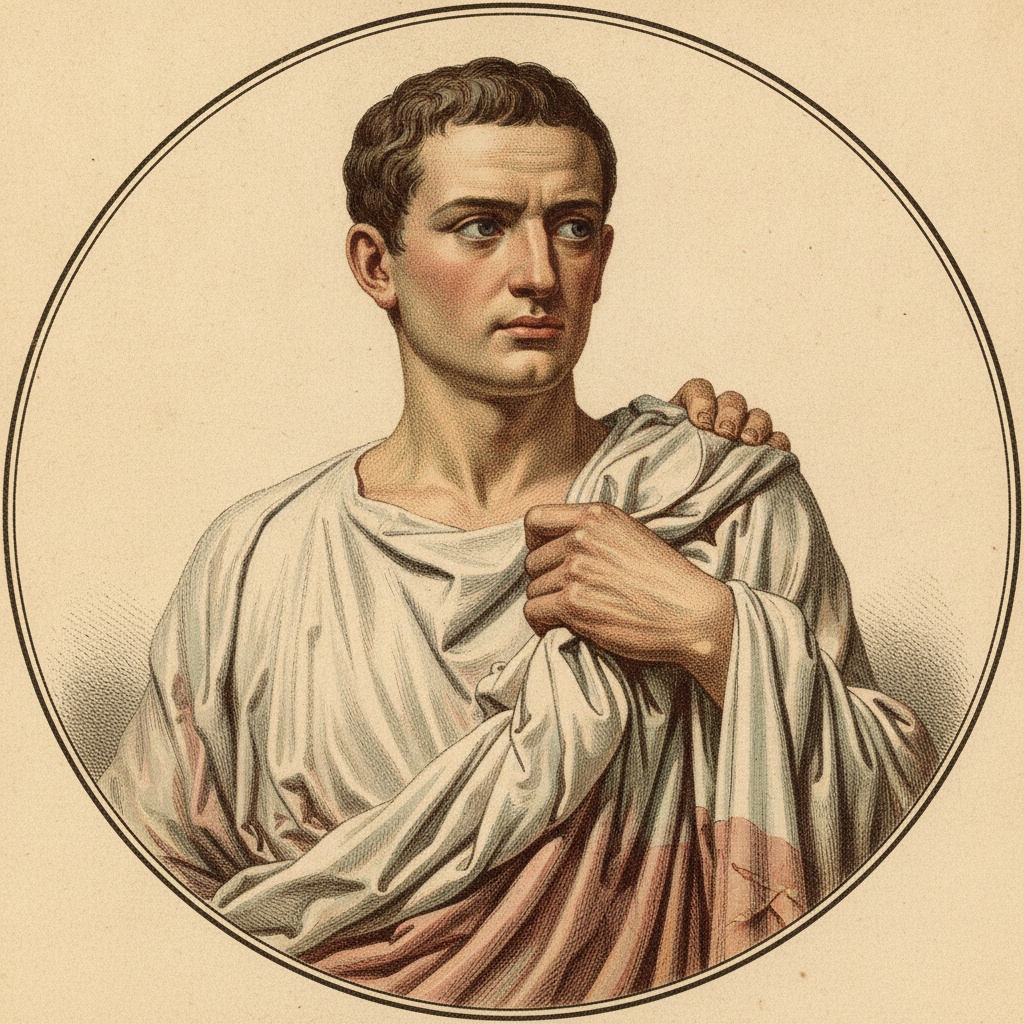
Tiberius Sempronius Gracchus was no revolutionary of the mob. He was of the highest nobility — grandson, through his mother Cornelia, of Scipio Africanus, the conqueror of Hannibal. Elected tribune of the plebs for 133 B.C., he proposed a law revived from older statute: that public land held illegally beyond the legal limit be reclaimed by the state and redistributed in small allotments to the landless poor, restoring the class of citizen-soldiers on which Rome depended.
The Senate resisted, and Tiberius answered force with force of his own. When a fellow tribune, Marcus Octavius, vetoed the bill, Tiberius had the assembly depose him — a stroke without precedent. He funded the land commission from Attalus’ bequest, bypassing the Senate’s control of finance. When he stood for re-election to protect himself, his enemies cried that he aimed at kingship.
“The wild beasts that roam over Italy … have every one of them a cave or lair to lurk in; but the men who fight and die for Italy enjoy the common air and light, indeed, but nothing else.”
Plutarch, Life of Tiberius Gracchus 9 — trans. B. Perrin, Loeb Classical Library (1921) (public domain)
On election day a mob of senators led by the pontifex maximus Scipio Nasica broke up the assembly on the Capitol. Tiberius was clubbed to death with pieces of broken benches; some three hundred of his followers fell with him, and their bodies were thrown into the Tiber. It was the first time in centuries that a Roman political dispute had been settled by slaughter within the city. The taboo, once broken, would never hold again.
Map · Ancient ItalyClick to enlarge
The ground of the quarrel. The Gracchan crisis turned on the ager publicus — public land across the Italian peninsula, from Etruria to Campania, engrossed by the rich and coveted by the poor.
After Shepherd, Historical Atlas (1911), “Reference Map of Ancient Italy, Northern Part.”
III123 – 121 B.C. · The wider war
Gaius GracchusThe programme and the reckoning
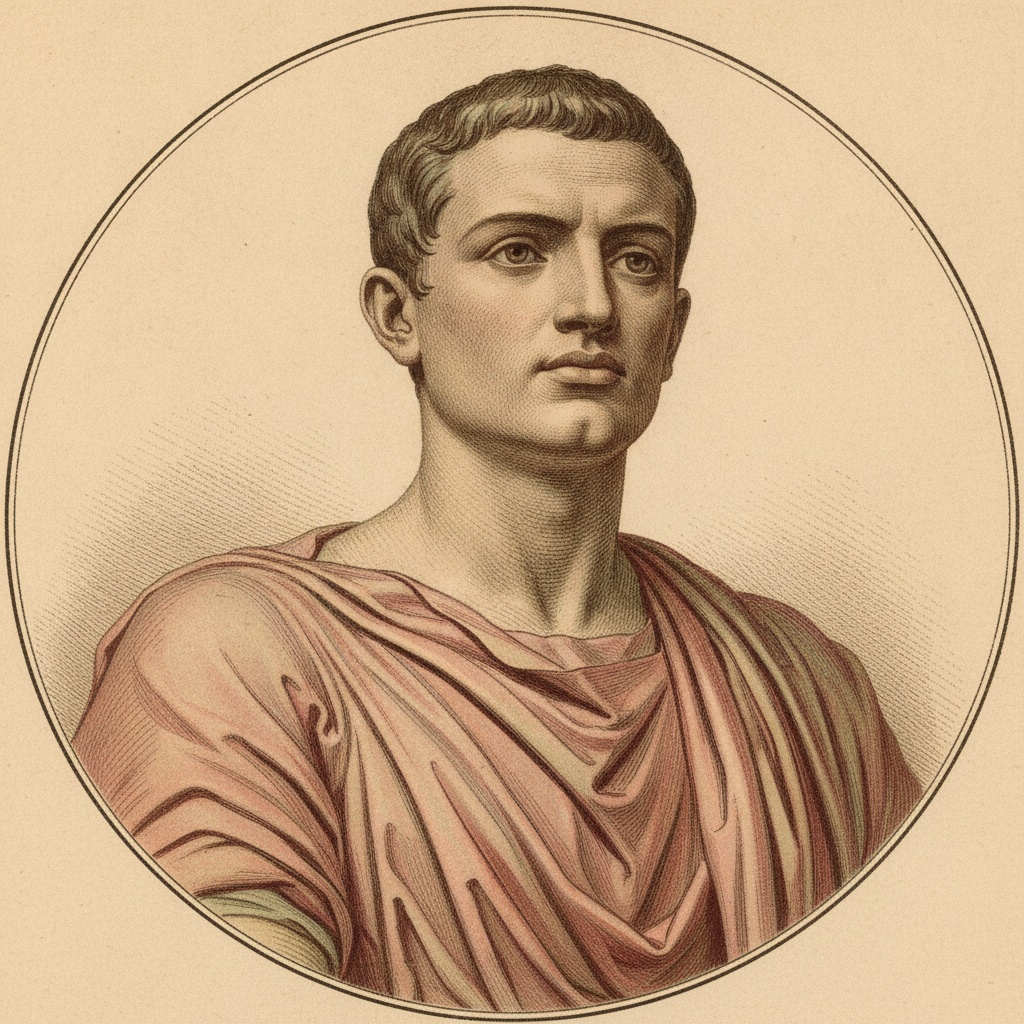
C. Sempronius GracchusTribune, 123–122 B.C.Musée d'Orsay sculpture 🔍
Ten years after his brother’s murder, Gaius Gracchus took the tribunate and pressed the cause far beyond land. Where Tiberius had made one law, Gaius built a system. He carried a grain law that sold corn to the citizens of Rome at a fixed low price; he founded colonies, including one on the accursed site of Carthage; he built roads across Italy; and he transferred the great criminal courts from the senators to the equites, the moneyed order, breaking the aristocracy’s monopoly on judgment.
His boldest measure was to offer Roman citizenship to the Latin and Italian allies — a proposal a generation ahead of its time. The Senate found a subtler weapon than the club: another tribune, Livius Drusus, was set to outbid him with promises still more lavish, and Gaius’ support drained away. Failing of a third tribunate, he stood exposed.
The consul Opimius armed the Senate’s partisans. Gaius’ followers were hunted through the streets; he fled across the Tiber to the grove of Furrina and there, cornered, died — by his own hand or his slave’s. Three thousand of his supporters were afterward strangled in prison. The reforming impulse of the Gracchi was drowned, but the methods they and their enemies had pioneered — the tribune as revolutionary, the Senate as executioner — became the permanent grammar of Roman politics.
“These are my ornaments.”
Cornelia, mother of the Gracchi, gesturing to her sons after a guest had displayed her jewels — Valerius Maximus, Facta et Dicta Memorabilia 4.4.pr: “haec … ornamenta sunt mea” (Latin original, our translation; the familiar English form is “These are my jewels”)
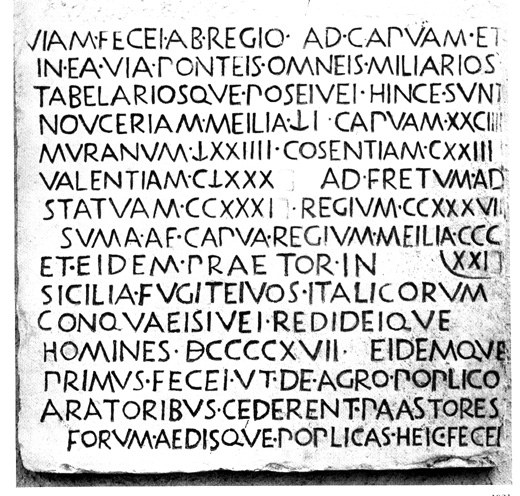
Archaeology · Inscription · c. 132 B.C.Click to enlarge
The physical stone of the Gracchan reform. Discovered at Polla in Lucania, this monumental stone records the building of the southern highway and the reclamation and assignment of public land (ager publicus) to smallholders enacted by Tiberius Gracchus' agrarian law of 133 B.C. Across southern Italy, boundary stones (cippi) inscribed with the names of the Gracchan triumvirs survive as tangible archaeological evidence of the reform.
Epigraphic reference: Corpus Inscriptionum Latinarum (CIL) I² 638; Museo Archeologico Nazionale.
IV112 – 105 B.C. · The war in Numidia
JugurthaA city for sale
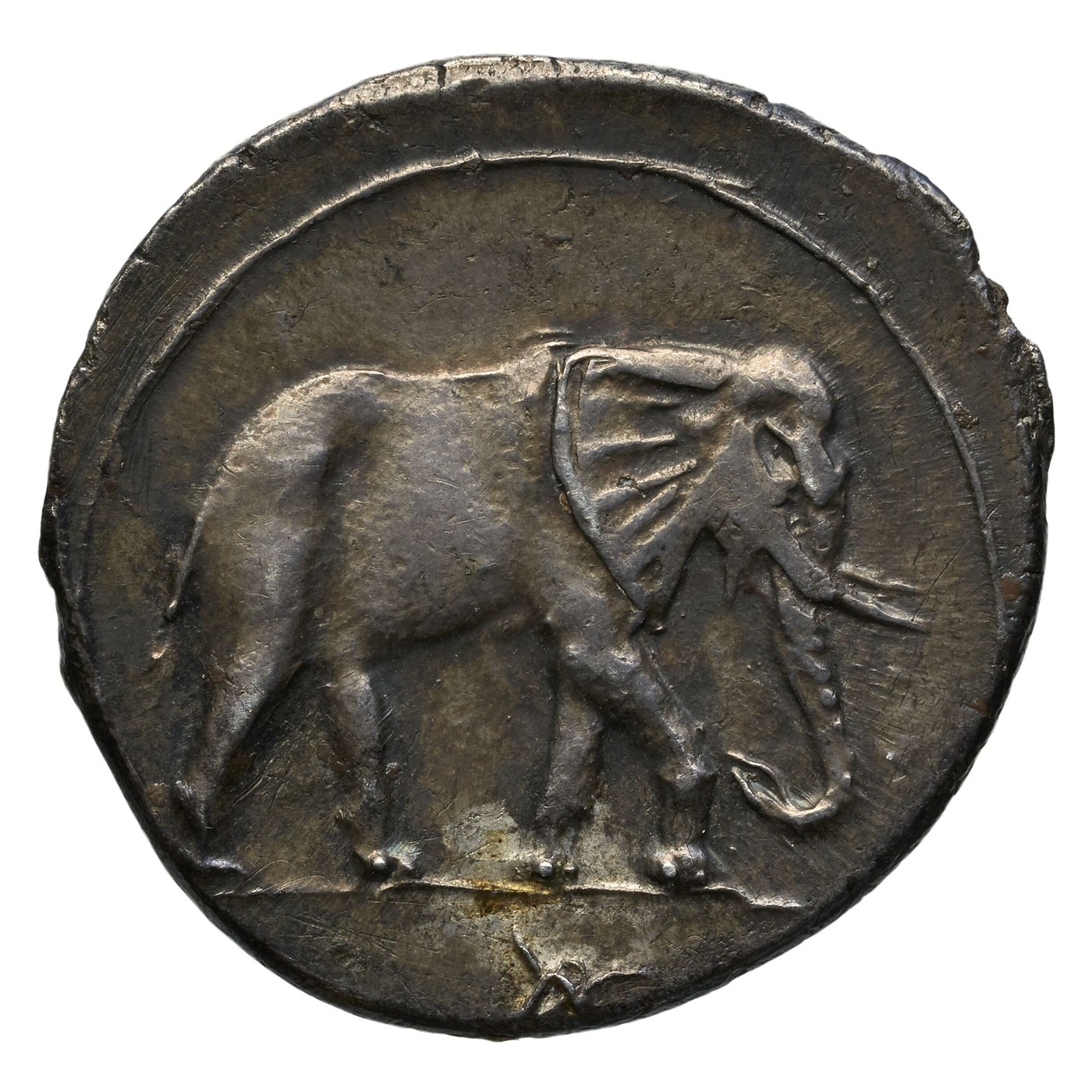
JugurthaKing of Numidia · Royal CoinBnF Cabinet des Médailles 🔍
The rot at the centre showed abroad. In Numidia, the North-African kingdom Rome treated as a client, the ambitious prince Jugurtha murdered his way toward the throne, slaughtering his rivals and, at Cirta in 112 B.C., a body of Italian traders besides. Rome declared war — and then, bribe by bribe, unmade it. Roman commanders and senators took Jugurtha’s gold and let him go.
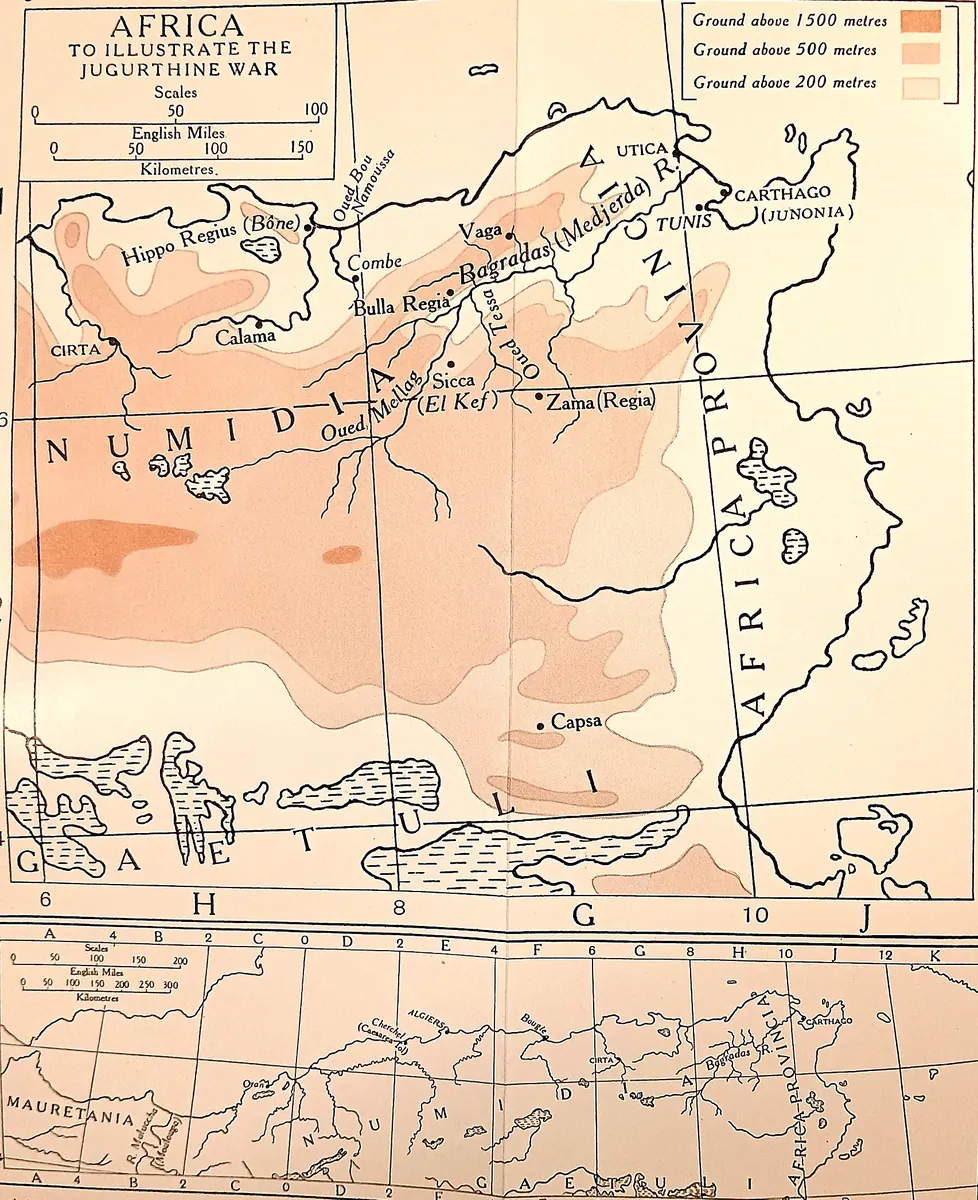
Plate · Numidia and the Africa provinceClick to enlarge
A war of marches, not battles. Cirta, where Jugurtha massacred the Italian traders; Zama and the Bagradas valley; Capsa deep in the south, which Marius took after crossing waterless country. The shaded relief shows why six years of Roman consuls could not bring a Numidian king to a decisive engagement.
The Cambridge Ancient History (1st ed., Cambridge University Press), map plate “Africa to Illustrate the Jugurthine War” — photographed from the fold-out sheet and cleaned.
The historian Sallust, writing a generation later, made the Jugurthine War his great parable of a nobility for hire. Summoned to Rome under safe-conduct, Jugurtha is said to have looked back at the city as he departed and pronounced its epitaph.
“… a venal city, and would soon perish, if it could but find a purchaser!”
Sallust, The War with Jugurtha 35 — trans. J. S. Watson (public domain)
The war dragged until the Senate sent Quintus Metellus, an honest and able general, who broke Jugurtha’s field armies but could not run the elusive king to ground. It was Metellus’ own lieutenant — a rough, low-born soldier named Gaius Marius — who won the consulship of 107 B.C. over the aristocracy’s objections, took over the command, and finished the war. Jugurtha was at last betrayed into Roman hands by his father-in-law, King Bocchus of Mauretania, through the diplomacy of Marius’ quaestor, a patrician of ruined family named Lucius Cornelius Sulla. Paraded in triumph, the king was starved to death in a Roman dungeon in 104 B.C.
Numismatics · Silver Denarius · 56 B.C.Click to enlarge
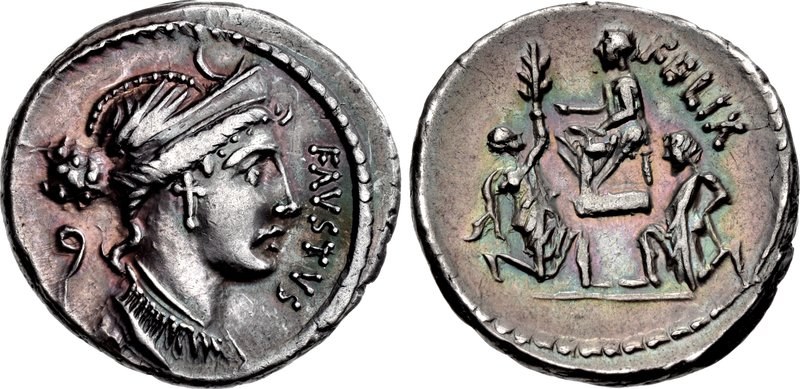
The betrayal of Jugurtha in stone and silver. Struck by Sulla’s son Faustus in 56 B.C. after Sulla’s signet ring, this denarius commemorates the climax of the Numidian War in 105 B.C.: King Bocchus of Mauretania kneels offering an olive branch, while Jugurtha sits bound in chains behind Sulla's raised curule tribunal. Marius claimed the triumph, but Sulla wore the signet ring of this surrender — sowing the bitter personal rivalry that tore the Republic apart.
Numismatic catalog: Crawford, Roman Republican Coinage 426/1; British Museum.
Map · The wider theatreClick to enlarge
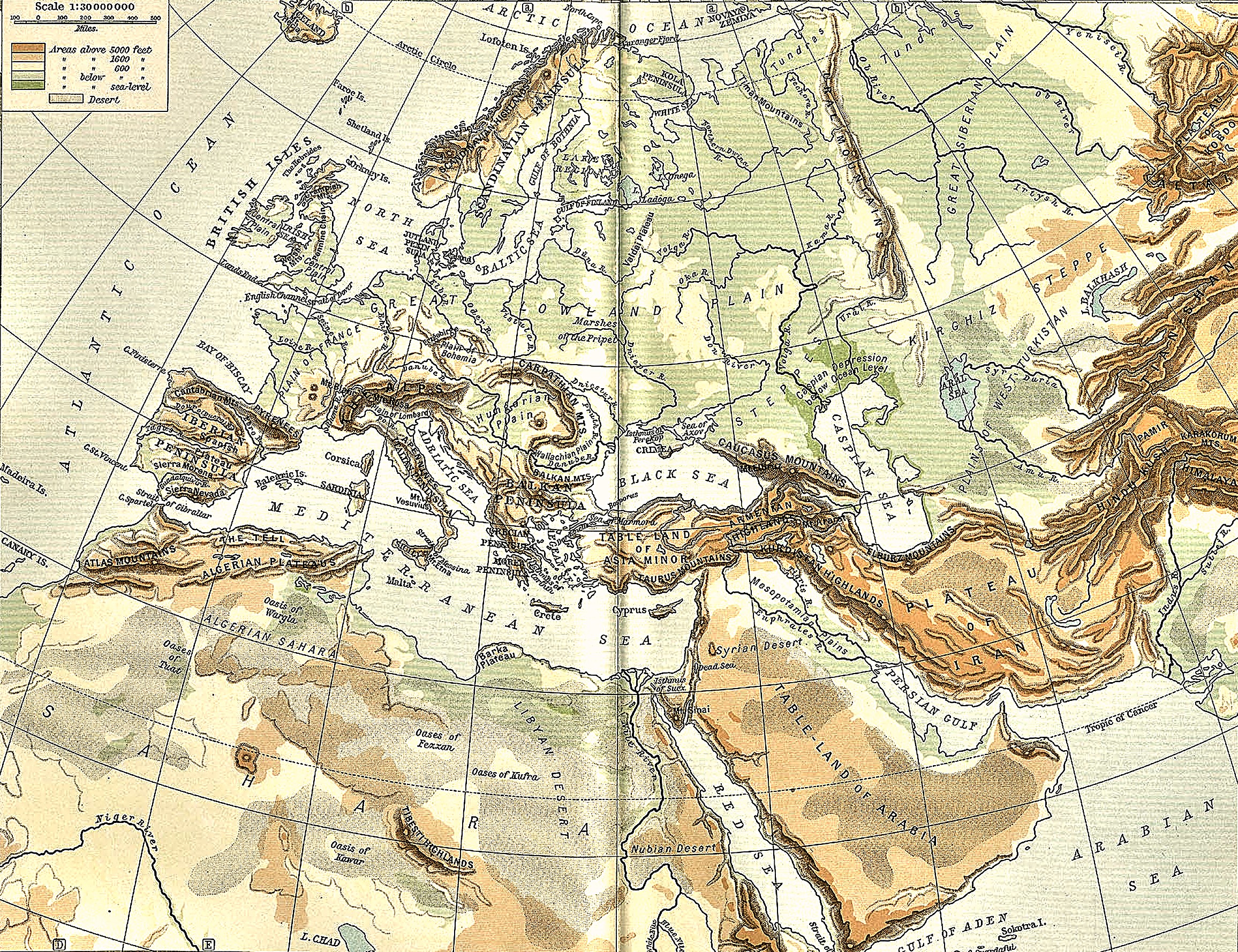
Numidia and beyond. The war was fought along the North-African coast west of the old Carthaginian lands. On the same physical stage — the rivers, the Alps, the plains of Gaul — the next danger to Rome was already moving south.
After Shepherd, Historical Atlas (1911), “Physical Map of Europe, Western Asia and Northern Africa.”
V107 – 100 B.C. · The soldier and the storm from the north
MariusThe army remade
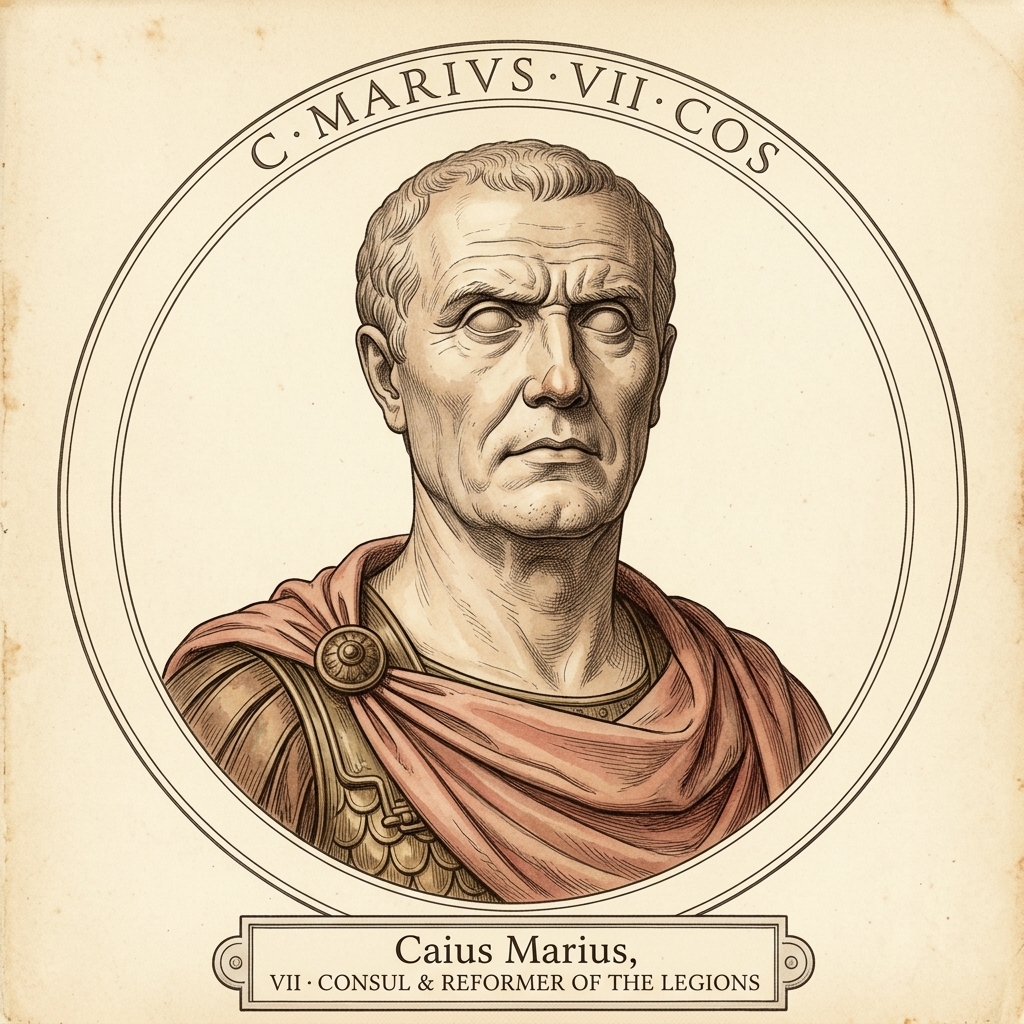
Gaius MariusConsul seven timesMunich Glyptothek bust 🔍
Gaius Marius was a novus homo — a “new man,” the first of his line to reach the consulship — and he would hold that office an unheard-of seven times. His enduring mark was not a battle but a decision: raising troops for Africa, he threw open the legions to the capite censi, the propertyless poor who had never been allowed to serve. The change was practical and irreversible. Henceforth the army was a career, not a levy of landowners; the soldier looked to his general — not the Senate — for his pay, his plunder, and his farm at the end of service.
He was needed at once, and not in Africa. For years a vast migration of Germanic and Celtic peoples — the Cimbri and the Teutones — had wandered the fringes of the empire, and in 105 B.C. they annihilated two Roman armies at Arausio on the Rhône, a disaster to rank with Cannae. Panic seized Italy. Marius, re-elected consul again and again in defiance of custom, drilled a new army and waited.
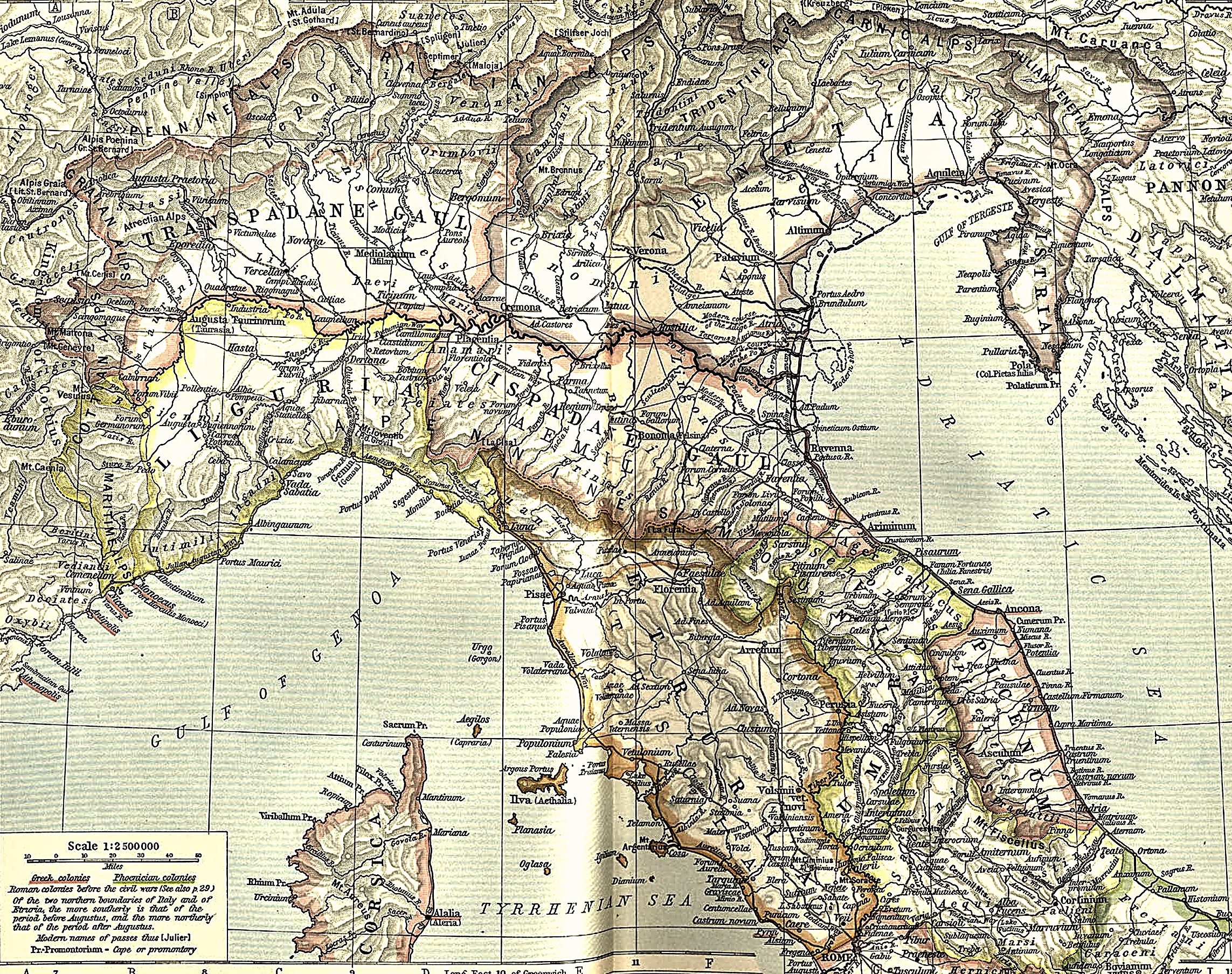
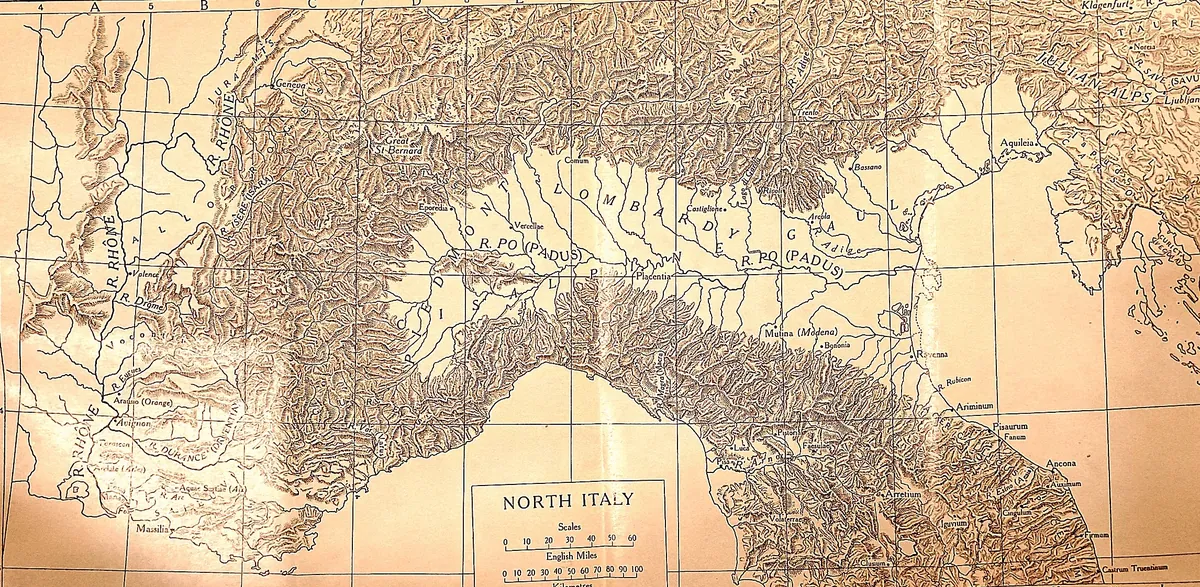
Plate · The Po basinClick to enlarge
The road the Cimbri were taking. Every Alpine pass on this sheet leads down into the Po valley, and from the Po valley there is nothing between an invader and Rome. Marius destroyed the Teutones in southern Gaul, off the left edge of the plate, then came back over the Alps and finished the Cimbri at Vercellae in 101 B.C., near the head of the plain.
The Cambridge Ancient History (1st ed., Cambridge University Press), map plate “North Italy” — photographed from the fold-out sheet and cleaned.
He destroyed the Teutones at Aquae Sextiae in 102 B.C., trapping them against the hills of southern Gaul; the next year, joined by his colleague Catulus, he broke the Cimbri on the plain of Vercellae in northern Italy. The migration was extinguished, and Marius was hailed as the third founder of Rome. But his gifts were for the field, not the Forum: allied to the demagogues Saturninus and Glaucia, he was dragged into street violence in 100 B.C., then abandoned them to the Senate’s Last Decree. The saviour of Rome retired, for a time, in something close to disgrace.
VI91 – 88 B.C. · The allies revolt
The Social WarItaly against Rome
The question Gaius Gracchus had raised would not lie down: the Italian allies — the Marsi, the Samnites, and a dozen peoples besides — had shed their blood in Rome’s wars for two centuries and were still denied Roman citizenship. In 91 B.C. the tribune Livius Drusus the younger took up their cause once more; like the Gracchi before him, he was assassinated for it.
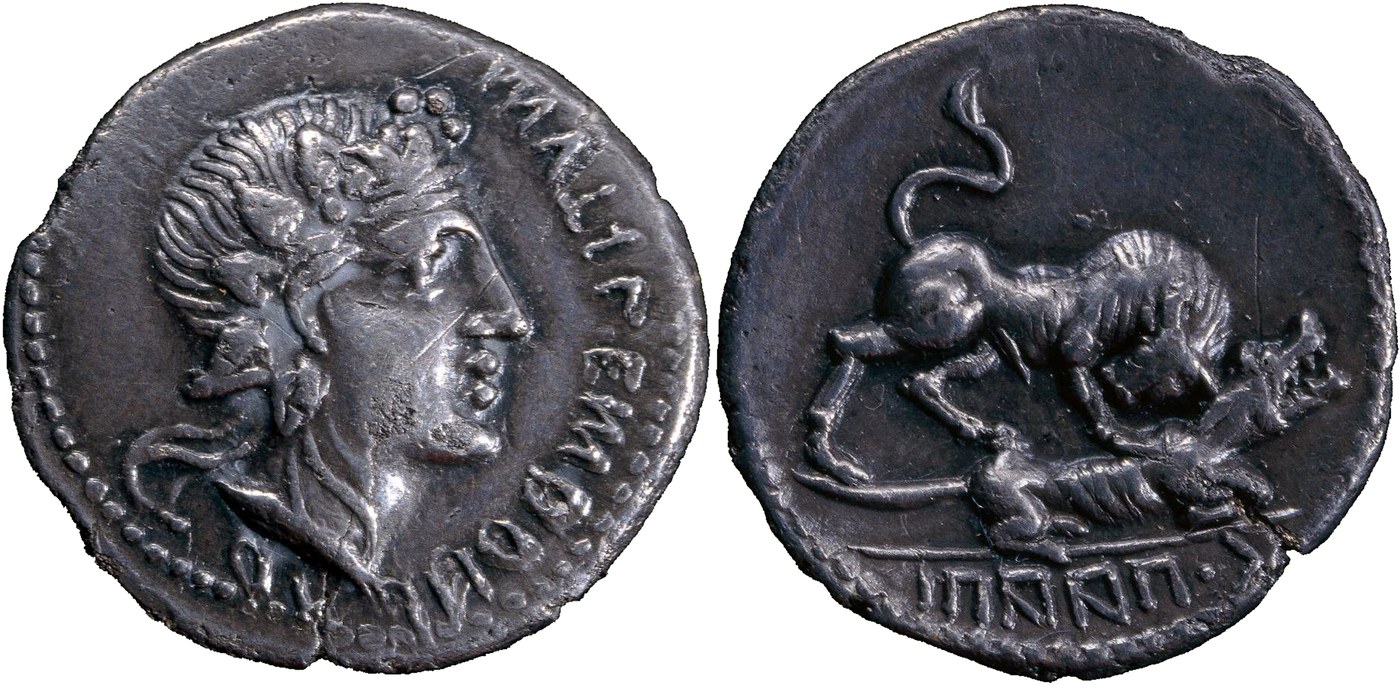
This time the allies did not wait for another Roman champion. They rose in open war, struck their own coins, and founded a rival confederation — Italia — with a capital at Corfinium and a senate of their own in mockery of Rome’s. The fighting was savage and close, for the rebels had learned war in the Roman school and fought with Roman weapons and tactics. It was, in every sense, a civil war.
Archaeology · Rebel Coinage · 90 B.C.Click to enlarge
The Italian Bull gores the Roman She-Wolf. In 90 B.C., the allied rebels (Marsi, Samnites, and Picentes) established a federal capital at Corfinium and struck their own coinage to pay their legions. The reverse depicts the Italian bull goring and trampling the Roman wolf; below, the retrograded Oscan inscription reads VÍTELIÚ — the earliest appearance of the name “Italia” on ancient coinage, fighting to destroy Roman hegemony.
Archaeological reference: Campana 100; Sydenham 627; Paris, Cabinet des Médailles.
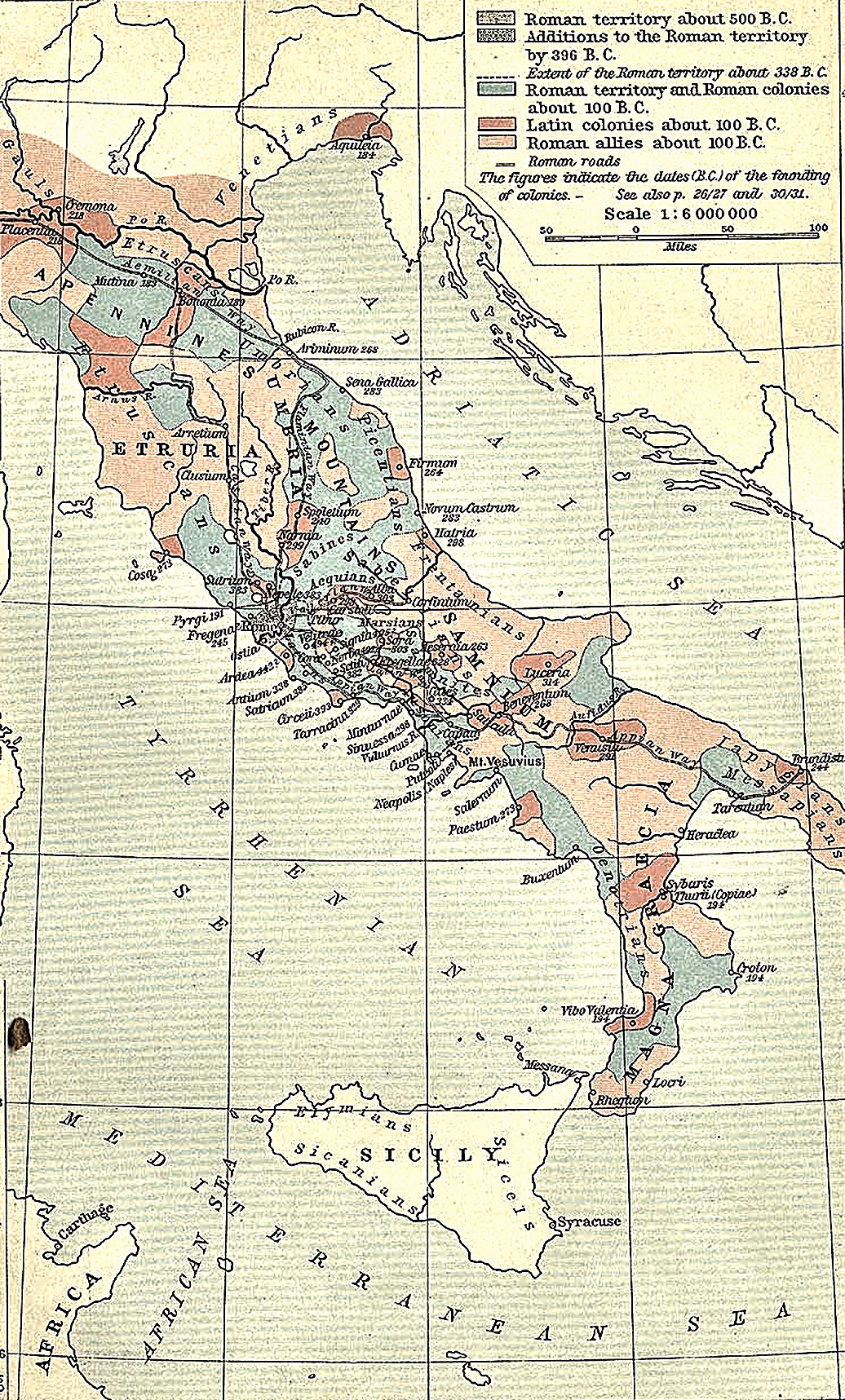
Map · Rome and her alliesClick to enlarge
A patchwork ripe for revolt. Roman territory, Latin colonies, and allied peoples interlocked across the peninsula about 100 B.C. The green Roman lands were islands in a sea of allies who fought Rome’s wars yet held none of Rome’s rights — the grievance that lit the Social War.
After Shepherd, Historical Atlas (1911), “The Growth of Roman Power in Italy.”
Rome won the war by conceding its cause. Even as the legions fought, laws were passed — the lex Julia of 90 B.C. and the lex Plautia Papiria of 89 — granting citizenship to allies who laid down their arms, and then to nearly all of peninsular Italy. The rebellion collapsed once its object was granted. Out of it two soldiers rose highest in reputation: the old lion Marius, and, more brilliantly, the patrician Sulla, whose command in the south marked him as the coming man. The stage was set for the two of them to turn on each other.
Chapter I · Italy against Rome
The Social War, 91–88 B.C.
Scroll to see the allies rise, the war turn town by town, and the ballot end it.
Before the war
Rome and her allies
For a century Rome held Italy through her Latin colonies and allied towns — Latium, Etruria, Umbria, Campania. The allies fought Rome's wars and shared its dangers, but not its citizenship. Rome, the colony of Alba Fucens and Firmum in Picenum would hold.
91 B.C.
Italy rises
When the reforming tribune Livius Drusus is murdered with the allies' enfranchisement still unpassed, the peoples of the central Apennines — Marsi, Samnites, Picentes — rise together. They found a rival state, “Italia,” with its capital and mint at Corfinium; even the Latin colony of Venusia joins them.
90–89 B.C.
Where it turned
The war is fought town by town, not region by region. Asculum, where the first Roman officials were killed, is stormed back only in 89. Aesernia is starved out; Nola is betrayed to the Samnites. Loyalty and revolt ran through the same country.
88 B.C.
Won by the ballot
Rome wins the war by conceding its cause: the laws of 90 and 89 grant citizenship to every ally who lays down arms, and the rising collapses to a Samnite remnant. The allies lost the war and won what they had fought for — just as Rome turns east against Mithridates.
Italy
held for Romejoined “Italia”changed hands
Sites: Pleiades. Peoples and regions are cartographic labels, not data borders — no boundary is known for “Italia” itself. Land: Natural Earth.
VII88 B.C. · Sulla turns the legions inward
The March on RomeAn army against its city
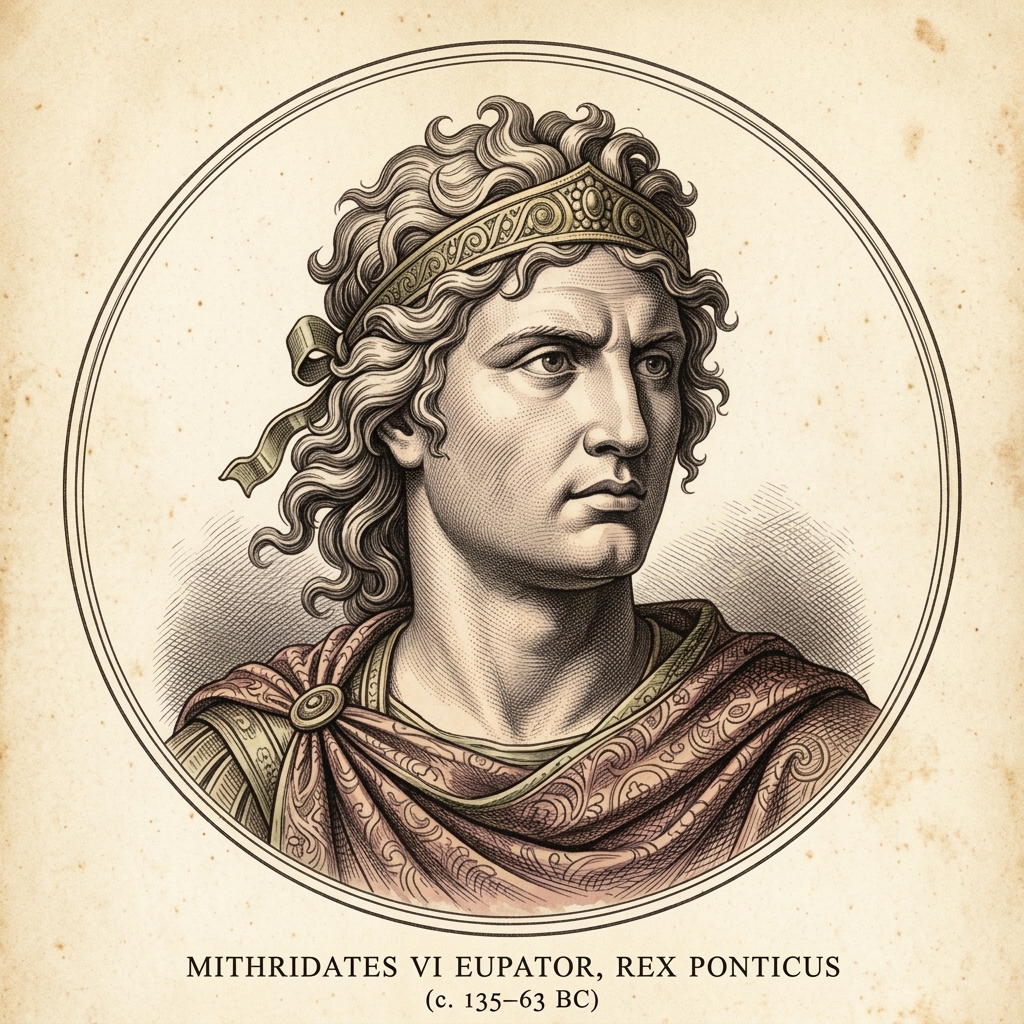
Mithridates VIKing of PontusMusée du Louvre bust 🔍
While Italy bled, a greater enemy struck in the East. Mithridates VI of Pontus swept over the Roman province of Asia, and in 88 B.C. orchestrated the massacre of every Italian and Roman in the region on a single day — perhaps eighty thousand men, women, and children, the so-called Asiatic Vespers. The war against him was the richest and most coveted command of the age, and it was given to the consul Sulla.
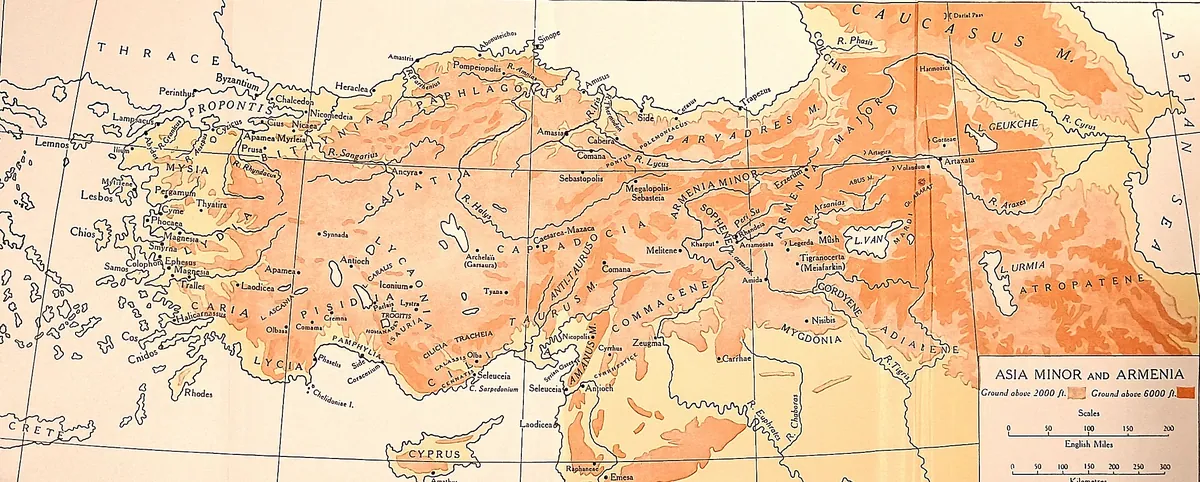
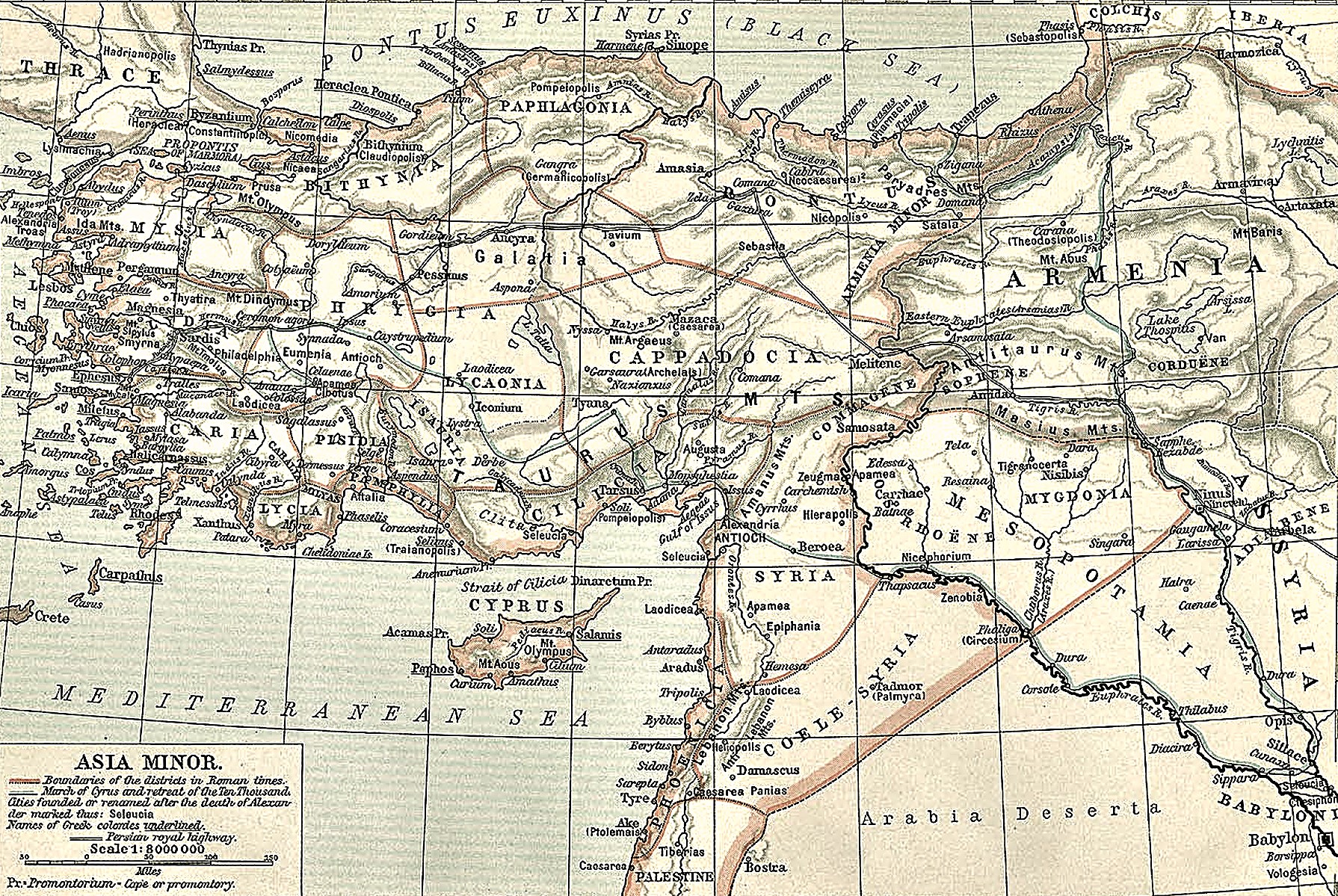
Plate · Anatolia and Armenia, in reliefClick to enlarge
The kingdom behind the massacre. Pontus runs along the Black Sea coast at the top of the sheet; the Roman province of Asia lies on the Aegean at the left; between them the high plateau and the Taurus. Mithridates could move an army across that interior faster than Rome could send one by sea, which is the whole strategic problem of the three wars named after him.
The Cambridge Ancient History (1st ed., Cambridge University Press), map plate “Asia Minor and Armenia” — photographed from the fold-out sheet and cleaned.
Then the tribune Publius Sulpicius Rufus, by a vote of the assembly, transferred that command from Sulla to Marius. It was, in form, entirely legal. Sulla’s answer was not. He went to his army waiting at Nola, told them their glory and plunder were being stolen, and led six legions against the city of Rome itself. No Roman general had ever done such a thing. His own officers deserted rather than march; his soldiers did not.
“Thus the seditions proceeded from strife and contention to murder, and from murder to open war, and now the first army of her own citizens had invaded Rome as a hostile country.”
Appian, The Civil Wars 1.60 — trans. Horace White, Loeb Classical Library (1913) (public domain)
Sulla took the city by force, drove out Marius and Sulpicius, had them declared public enemies, and repealed their laws. Sulpicius was hunted down and killed; Marius, now near seventy, fled through the marshes of Minturnae and escaped by sea to Africa. Order restored to his liking, Sulla departed for the East and his war with Mithridates — leaving behind him a Rome that had seen its own walls stormed by its own soldiers, and would not forget the lesson.
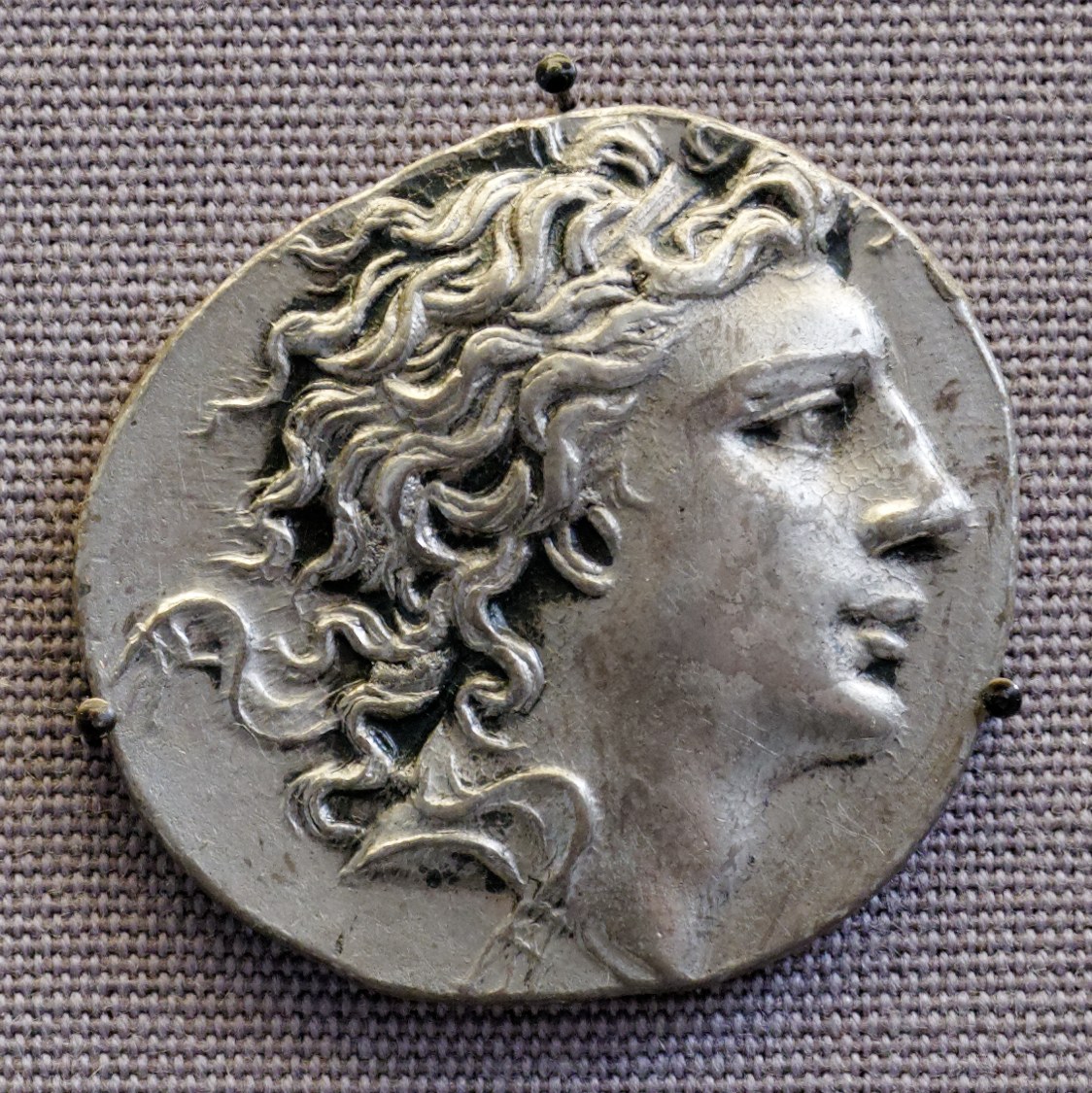
Numismatics · Royal Tetradrachm · c. 86 B.C.Click to enlarge
The royal coinage of the Asiatic invasion. Struck at the Pergamon mint during Mithridates’ occupation of the Roman province of Asia, this silver tetradrachm portrays the monarch in the divine heroic tradition of Alexander the Great. His wild flowing locks, parted above the forehead (anastole), and royal diadem proclaimed him the liberator of the Hellenistic East against Rome.
Numismatic catalog: British Museum (CM SNG BM 1038); De Callataÿ, L'histoire des guerres mithridatiques.
Map · Asia MinorClick to enlarge
The prize in the East. The wealthy province of Asia and the kingdom of Pontus along the Black Sea — the theatre of the war with Mithridates that Sulla marched on Rome to keep.
After Shepherd, Historical Atlas (1911), “Reference Map of Asia Minor under the Greeks and Romans.”
Chapter I · Sulla in the East
Sulla’s war in the East, 87–85 B.C.
Scroll to follow the First Mithridatic War, from the loss of Asia to the Peace of Dardanus.
88 B.C.
The war in the East
While Rome tore at itself, Mithridates VI of Pontus overran the province of Asia and, on a single day in 88, had every Roman and Italian in it killed — the Asiatic Vespers, perhaps eighty thousand dead. His general Archelaus crossed the Aegean, and Athens and much of Greece went over to him.
87 B.C.
Sulla lands in Greece
Outlawed at home by the Marians, Sulla ignores them. He crosses the Adriatic to Dyrrhachium with five legions and marches down through Thessaly into Attica, where he lays siege to Athens and its great port, the Piraeus, held for Mithridates by Archelaus.
86 B.C.
The sack of Athens
On the first of March, 86, his men storm Athens and give it over to slaughter and plunder; the Piraeus falls soon after. The city that had gone over to Mithridates is broken, and its walls thrown down.
86 B.C.
Chaeronea
In the open field of Boeotia, Sulla meets Archelaus's far larger army at Chaeronea and destroys it, his outnumbered legions holding behind field-works and turning the Pontic scythed chariots back on their own line.
85 B.C.
Orchomenus
A second Pontic host is beaten the next year at Orchomenus, on the marshy ground by Lake Copais. Greece is cleared, and Sulla is free to carry the war across the sea into Asia itself.
85 B.C.
The Peace of Dardanus
Crossing to the Troad, Sulla meets Mithridates at Dardanus and dictates terms: the king gives up his conquests, surrenders his fleet and pays an indemnity, but keeps Pontus — for Sulla needs his own peace to go home and settle Rome. He fines the province of Asia savagely, and sails for Italy and the civil war.
88 B.C.
Sulla’s moveSulla’s victorythe Peace of DardanusMithridates & PontusAsia, overrunAsia, recovered 85Sulla’s march (schematic)
Provinces: AWMC c. 60 B.C. (ODbL, after the Barrington Atlas), shown at their c. 60 B.C. extent. Land, rivers: Natural Earth. Sites are placed by longitude and latitude, after Plutarch’s Sulla and Appian’s Mithridatica; the march and the sea-crossing are schematic. Pontus is a label, not a border.
VIII87 – 84 B.C. · Cinna and the return of Marius
The Marian TerrorRome taken a second time
Sulla was scarcely gone before the consul Lucius Cornelius Cinna reopened the quarrel, was driven from the city, and did exactly what Sulla had done — raised an army and marched on Rome. He recalled Marius from Africa, and the old man returned in cold fury.
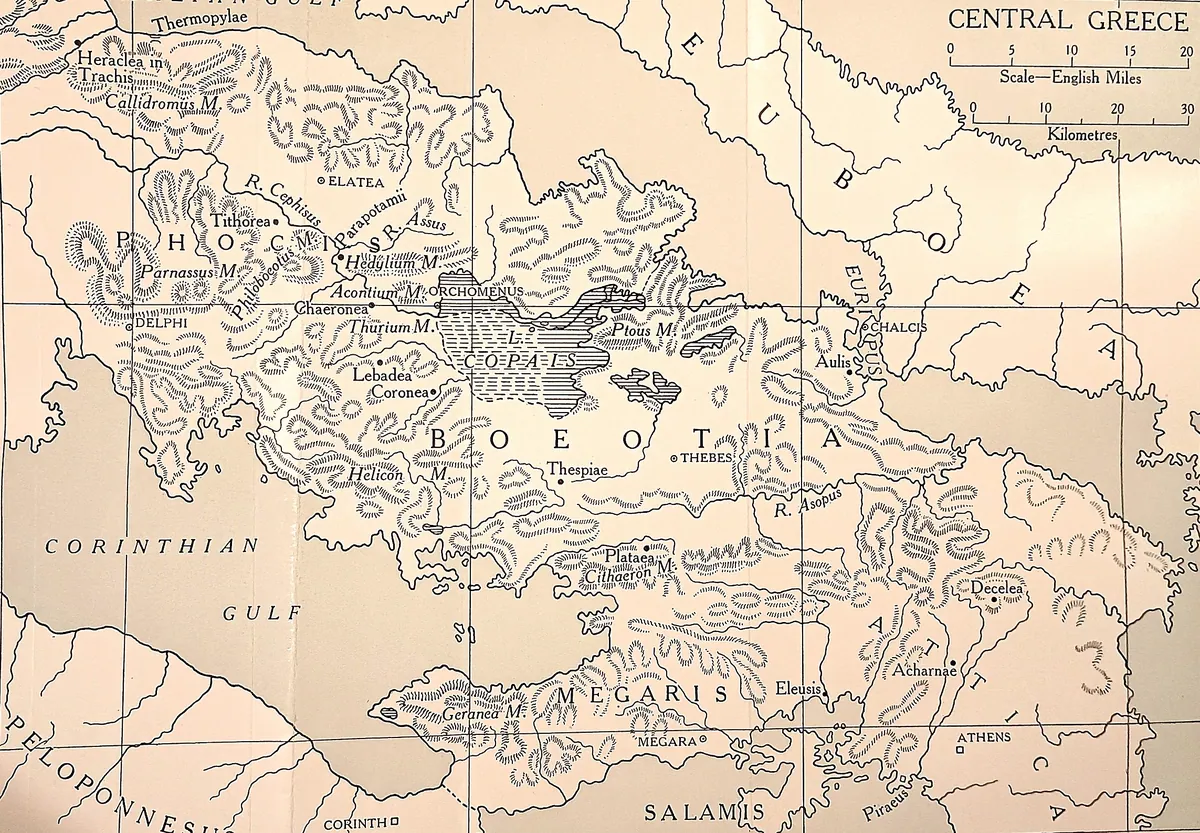
Plate · Boeotia and PhocisClick to enlarge
Where Sulla was while Rome burned. Chaeronea and Orchomenus sit beside Lake Copais in the middle of the sheet; Thermopylae guards the pass at the top, Athens and the Piraeus stand at the bottom right. Sulla took Athens by storm and beat two Pontic armies on this ground in 86 B.C. while Marius and Cinna held the city that had outlawed him.
The Cambridge Ancient History (1st ed., Cambridge University Press), map plate “Central Greece” — photographed from the fold-out sheet and cleaned.
Together they took the city in 87 B.C. and turned it into a killing-ground. For five days and nights Marius’ men hunted down his enemies; heads of senators and consulars were displayed on the Rostra in the Forum. Marius was elected consul for the seventh time, fulfilling an old prophecy — and died within days of taking office, worn out and, some said, half-mad with vengeance.
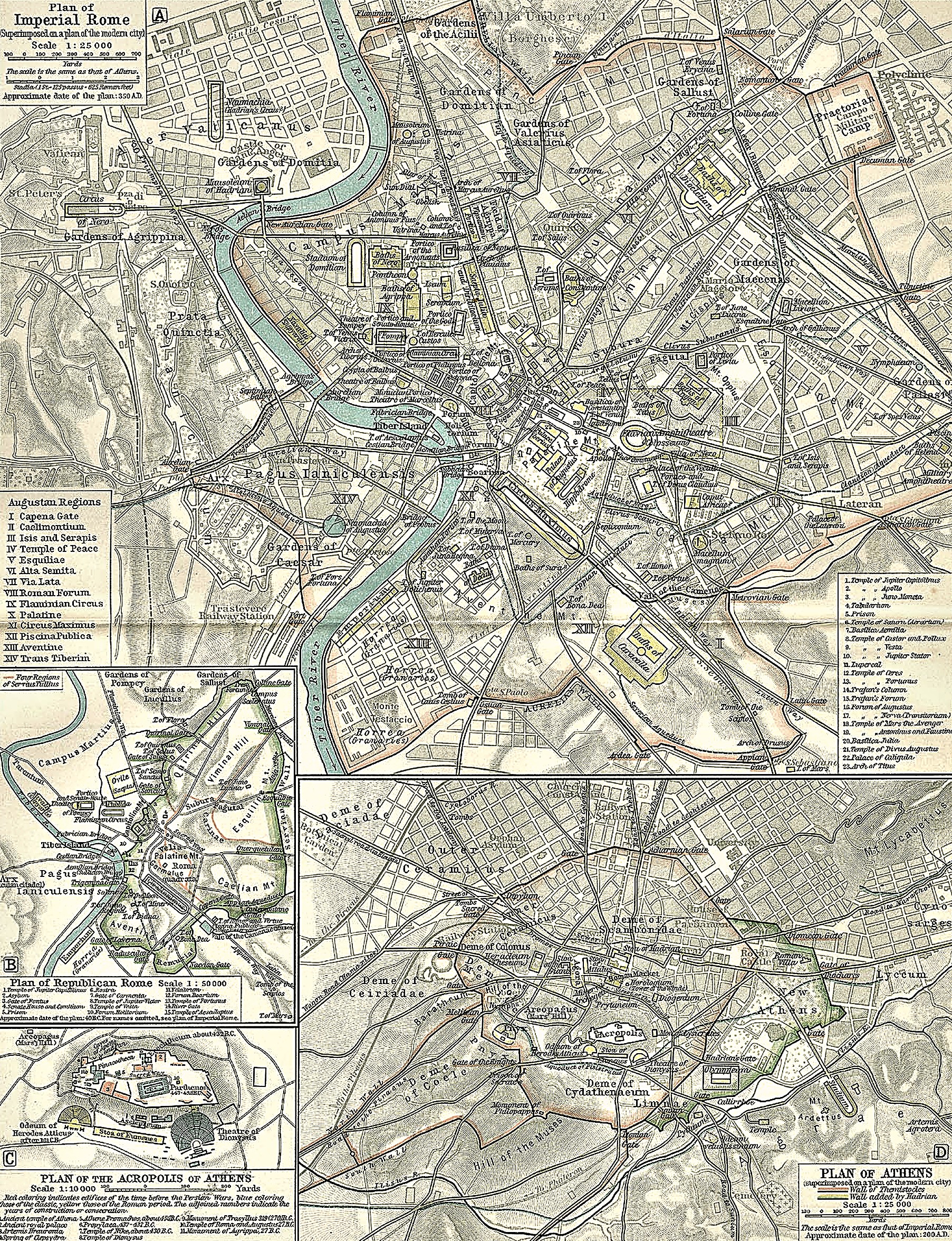
Map · The city of RomeClick to enlarge
The prize itself. Rome — the Forum, the Capitol, the Rostra where the heads of the slain were shown. Between 88 and 82 B.C. the city was stormed by Roman armies three times over.
After Shepherd, Historical Atlas (1911), “Plan of Imperial Rome” (the republican core).
Cinna ruled what remained for three years — the Cinnae dominatio, a domination held without much pretence of the old constitution. Meanwhile in the East, Sulla ignored the government that had outlawed him, defeated Mithridates’ generals at Chaeronea and Orchomenus, sacked rebellious Athens, and in 85 B.C. made the Peace of Dardanus on his own authority. Then he wrote to the Senate that he was coming home — and that he remembered his friends and his enemies alike. Cinna was killed by his own mutinous troops as he prepared to face him. Italy braced for the storm.
IX83 – 82 B.C. · The second civil war
The Colline GateSulla’s reckoning
In 83 B.C. Sulla landed at Brundisium with his veteran army and marched up the peninsula. The young men who would rule the next generation flocked to him — Pompey, still in his twenties, raising private legions; Crassus; Metellus Pius. The Marian government, held by Cinna’s heirs and the still-unreconciled Samnites, fought hard, and for a year Italy was torn from end to end.
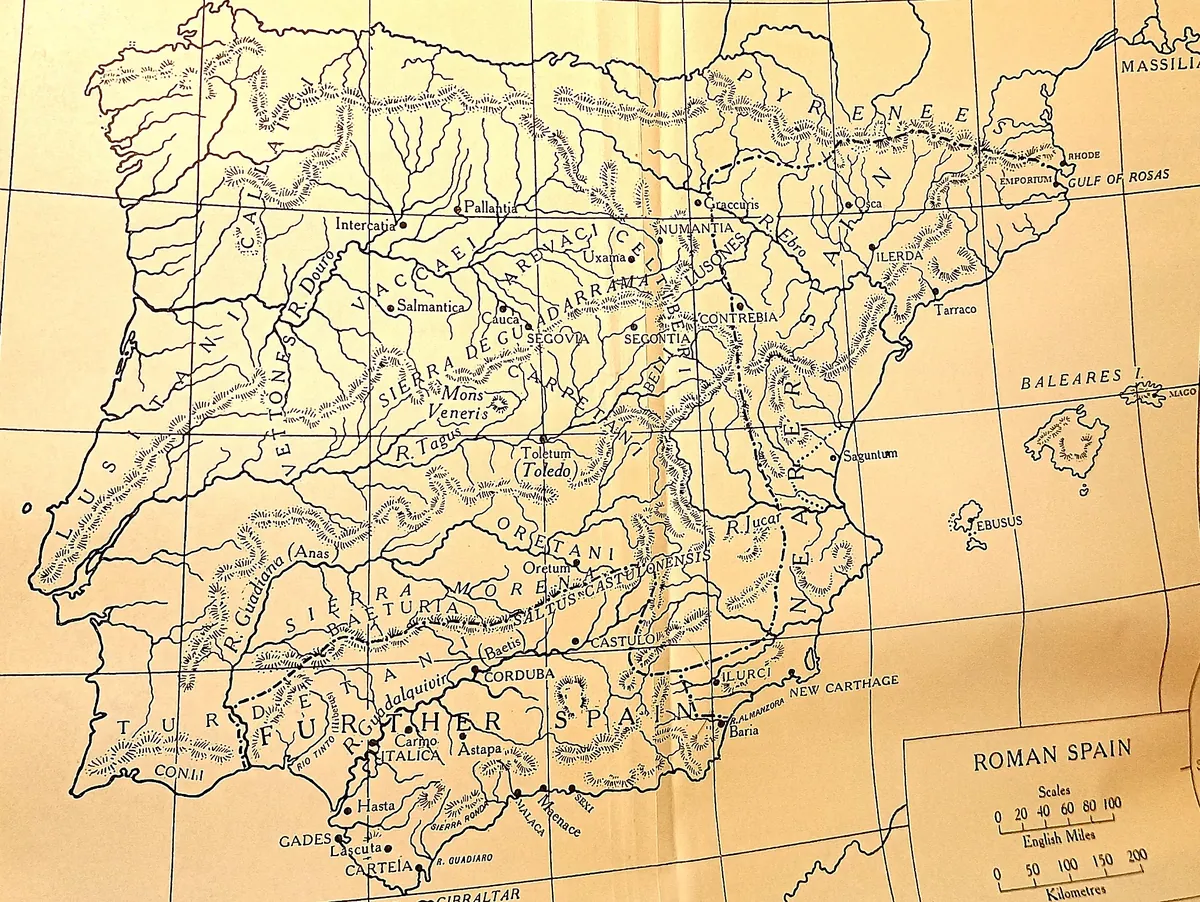
Plate · Nearer and Further SpainClick to enlarge
The province that never settled. Numantia, in the Celtiberian highlands at the centre of the sheet, held out for twenty years and was finally starved out in 133 B.C. by Scipio Aemilianus — with Tiberius Gracchus and Marius both serving in that army. When Sulla’s proscriptions began, Spain is where his enemies went; Sertorius held it against Rome for eight years.
The Cambridge Ancient History (1st ed., Cambridge University Press), map plate “Roman Spain” — photographed from the fold-out sheet and cleaned.
The war was decided almost at the gates of Rome. In November 82 B.C., before the Colline Gate of the city, Sulla met a great army of Samnites and Marians in a night battle of desperate ferocity. His left wing broke; the issue hung until dawn. When it was over, Sulla had won, and the Samnite prisoners — some thousands — were massacred in cold blood, their cries carrying to the Senate while Sulla addressed it, unmoved. The younger Marius, besieged in Praeneste, took his own life. The cause of the Gracchi and of Marius was finished.
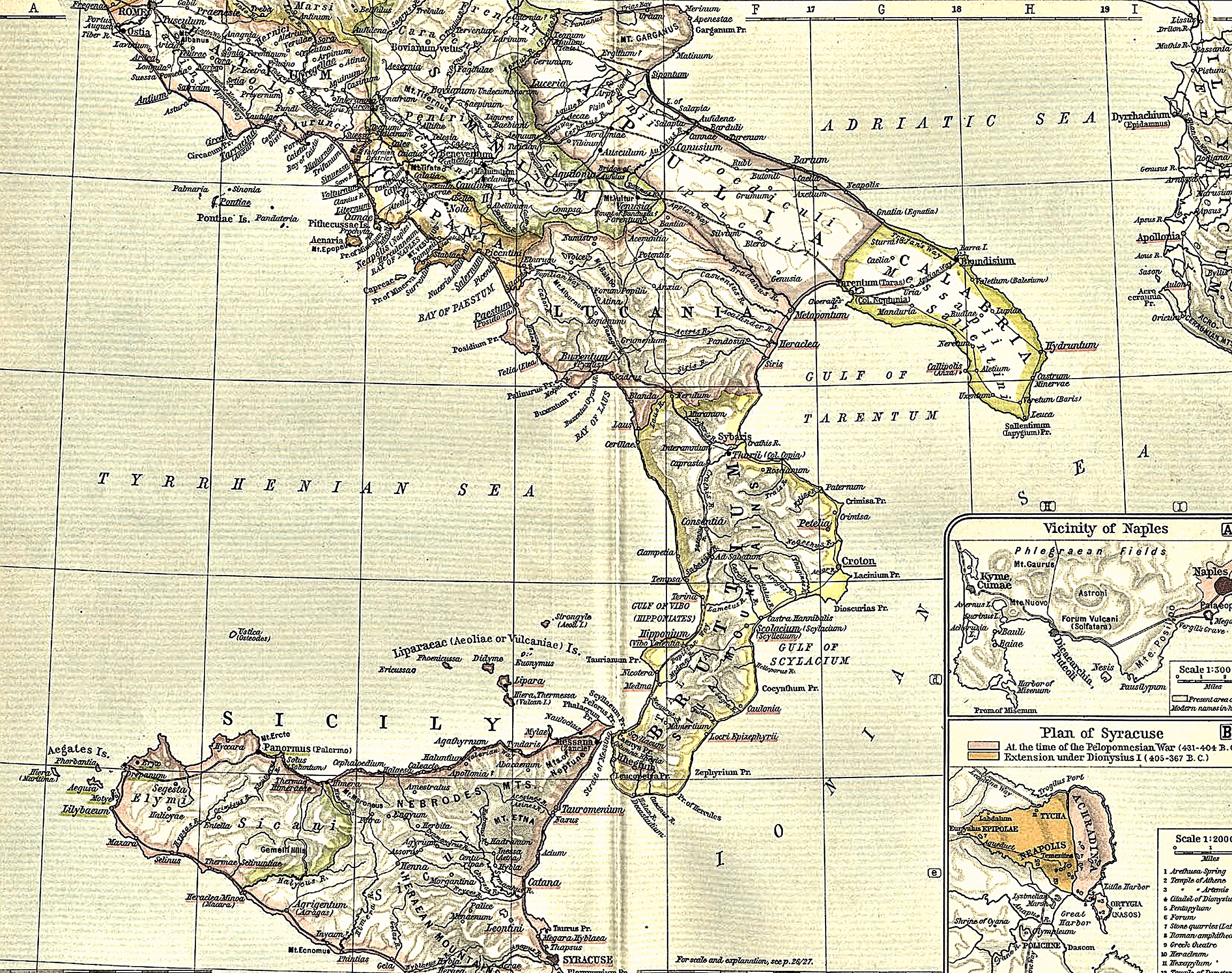
Map · Southern ItalyClick to enlarge
The march to the capital. From Brundisium in the heel of Italy, Sulla’s veterans fought their way north through Campania and Latium to the walls of Rome and the battle of the Colline Gate.
After Shepherd, Historical Atlas (1911), “Reference Map of Ancient Italy, Southern Part.”
X82 – 78 B.C. · The dictator and his abdication
SullaThe man who gave it back
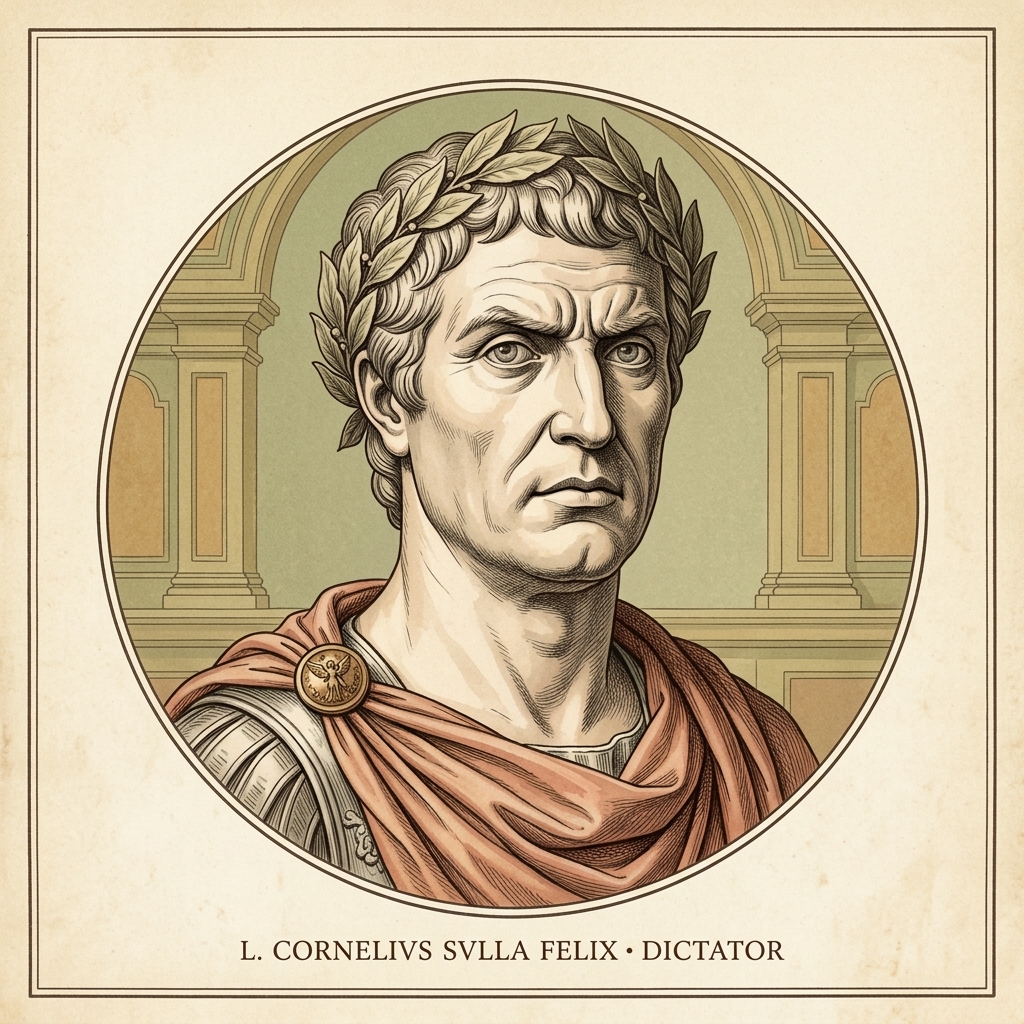
L. Cornelius SullaDictator, 82–79 B.C. · FelixGlyptothek bust 🔍
Master of Rome, Sulla had himself made dictator legibus scribundis et rei publicae constituendae — dictator for the writing of laws and the settling of the state — an office without the old six-month limit, a legal absolutism unseen for centuries. His first act was terror made bureaucratic. He posted proscription lists in the Forum: the names of the condemned, whose lives were forfeit and whose property was seized and sold. Thousands of senators, knights, and ordinary men died so that their estates might reward Sulla’s soldiers and friends. The word proscription entered history here.
Yet Sulla did not mean to be a king. He meant to be a restorer. With absolute power he rebuilt the constitution to entrench the Senate: he doubled its numbers, crippled the tribunate that had been the engine of every reformer since Tiberius Gracchus, fixed the ladder of offices, and reformed the courts. Then, in 79 B.C., having done what he came to do, he did the one thing no one expected — he laid down the dictatorship, dismissed his guards, and walked in the Forum as a private citizen, offering to answer to anyone. No one dared.
“… no friend ever surpassed him in kindness, and no enemy in mischief.”
Plutarch, Life of Sulla 38, giving “the substance” of the epitaph Sulla wrote for himself — trans. B. Perrin, Loeb Classical Library (1916) (public domain)
He retired to his estate on the Bay of Naples, to his writing and his pleasures, and died in 78 B.C. His settlement was meant to last forever. It lasted less than a decade in its essentials: within a few years the tribunate was restored and his own lieutenants, Pompey and Crassus, were dismantling his work. But the deeper lesson of his career could not be undone. Sulla had shown that a Roman with a loyal army could take the state entire — and then hand it back. The next man to hold Rome by the sword would not be so willing to let it go.
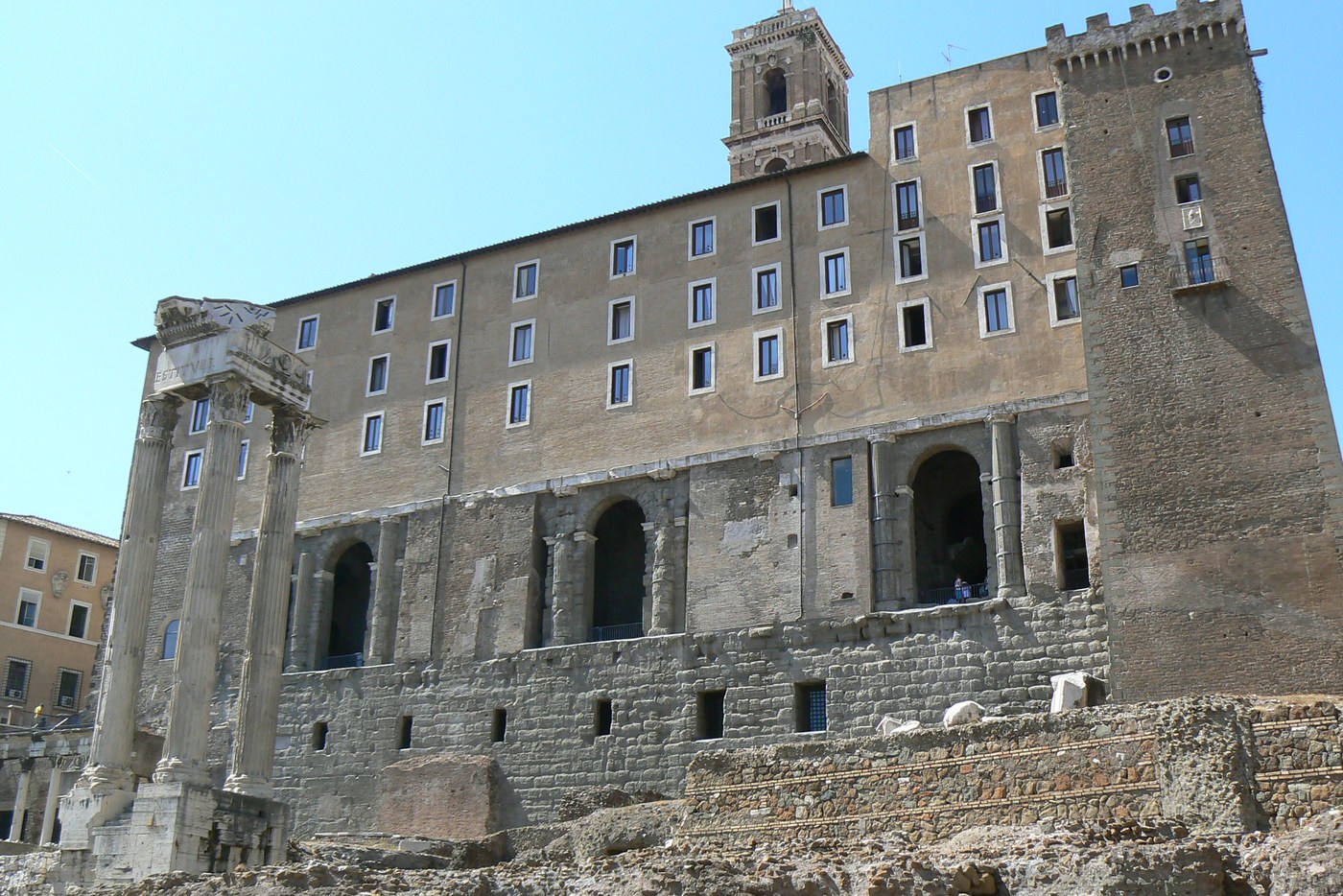
Archaeology · Republican Monument · 78 B.C.Click to enlarge
The stone monument of the Sullan restoration. Commissioned in 78 B.C. by Quintus Lutatius Catulus pursuant to Sulla's constitutional settlement, the Tabularium was Rome's state archives building. Its massive tufa arcade still towers above the Roman Forum today — the most intact surviving monument of Late Republican civic architecture.
Archaeological reference: Platner & Ashby, Topographical Dictionary of Ancient Rome; Rome, Forum Romanum.
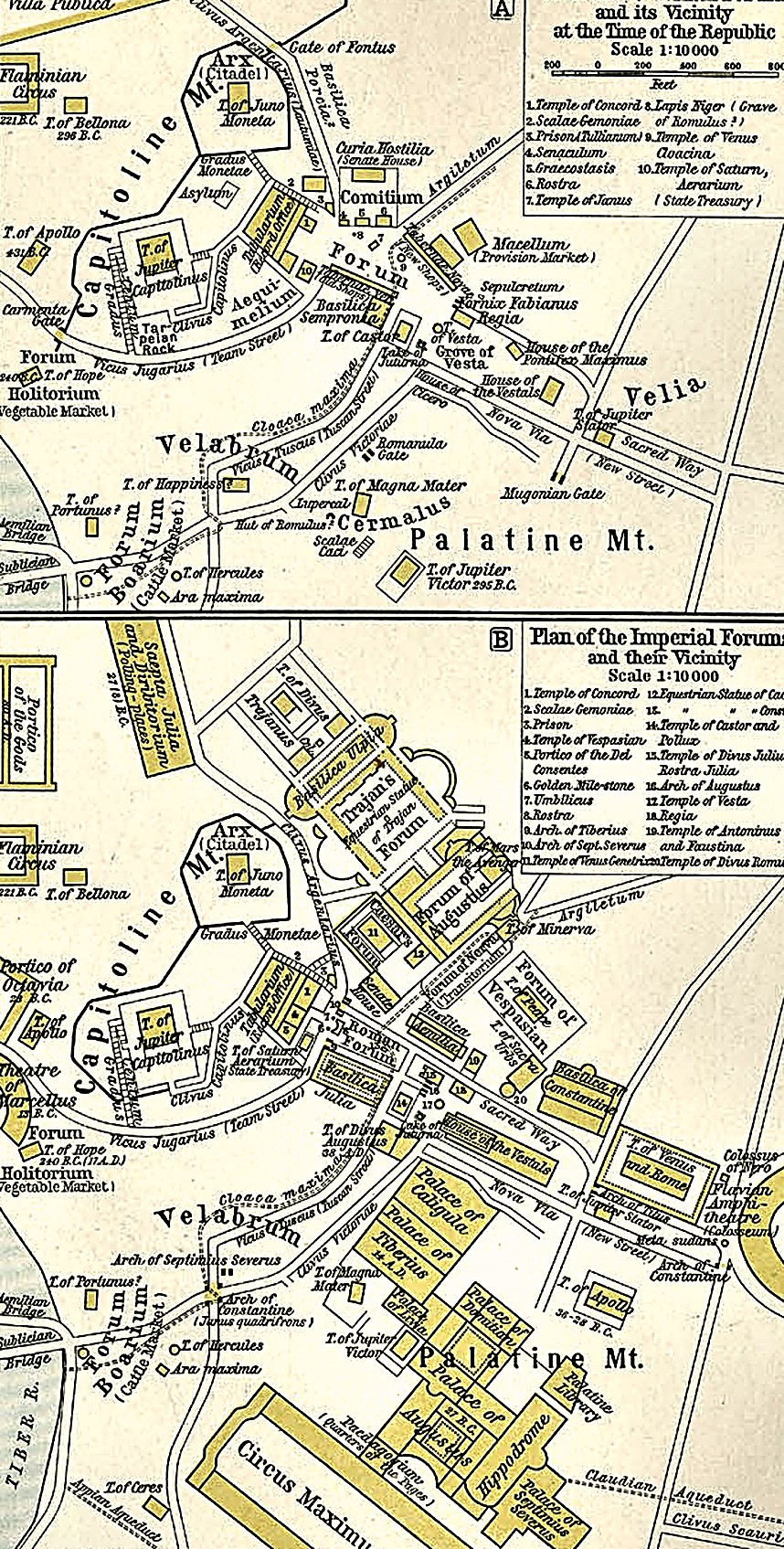
Map · The Roman ForumClick to enlarge
The heart of the Republic. In this small space — the Forum, the Rostra, the Curia — the Gracchi legislated and died, the proscription lists were posted, and Sulla laid down his power. The whole drama of the age was played out across a few hundred paces of stone.
After Shepherd, Historical Atlas (1911), “Plan of the Roman Forum and its Vicinity at the Time of the Republic.”
✦ ❧ ✦
In fifty years Rome had turned every weapon of her constitution — the tribunate, the courts, the citizenship, the legions — into an instrument of civil war. The forms of the Republic still stood. The thing itself was dying.