A Greek mercenary army, stranded deep inside the Persian empire after the battle that should have made its paymaster king, fights its way home to the Black Sea.
401–399 B.C. · From Sardis to the Black Sea
Told after Xenophon’s own Anabasis. A map study — the campaign is told on the interactive map below; the fuller narrative essay is in preparation.
✦ ❧ ✦
Scroll to begin ↓
†401 B.C. · A war for the Persian throne
Ten thousand Greeks, a thousand miles from the sea
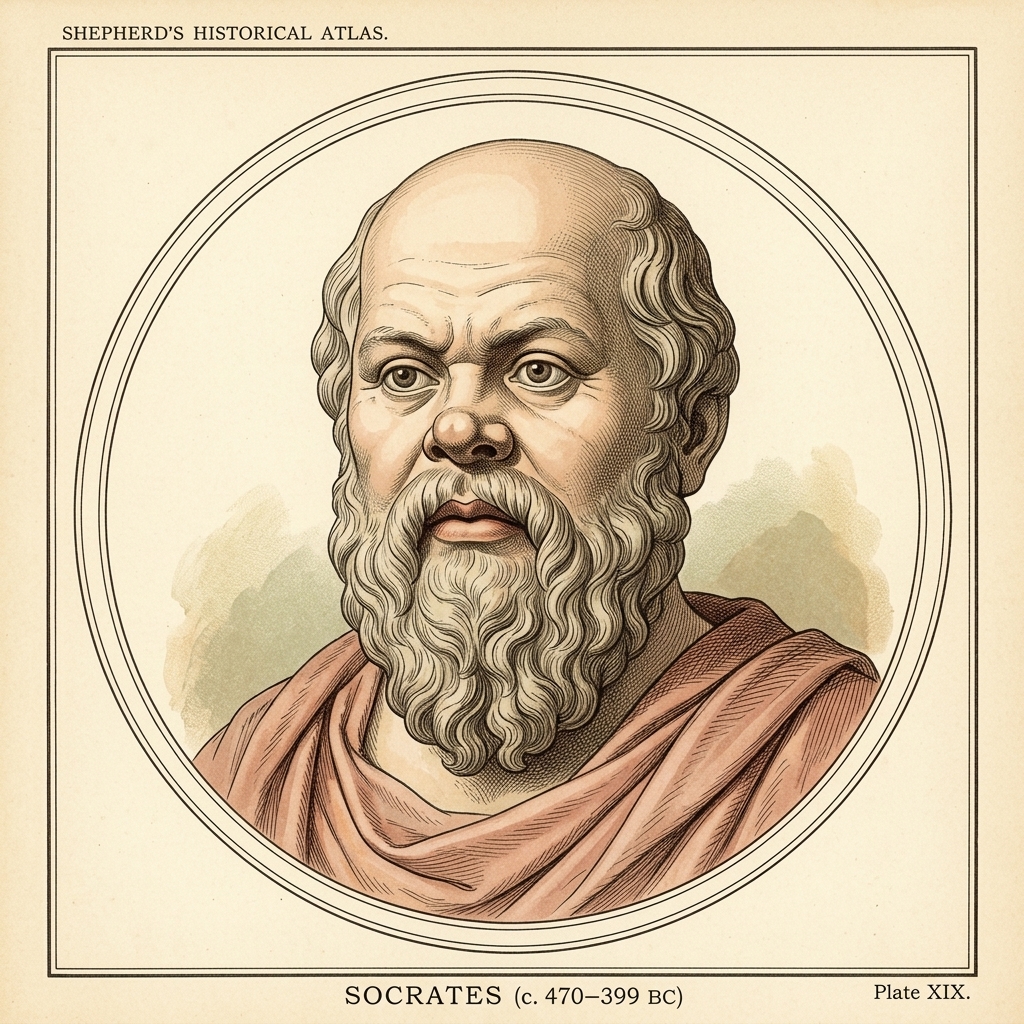
SocratesAthenian philosopher and Xenophon’s teacher, 469–399 B.C.
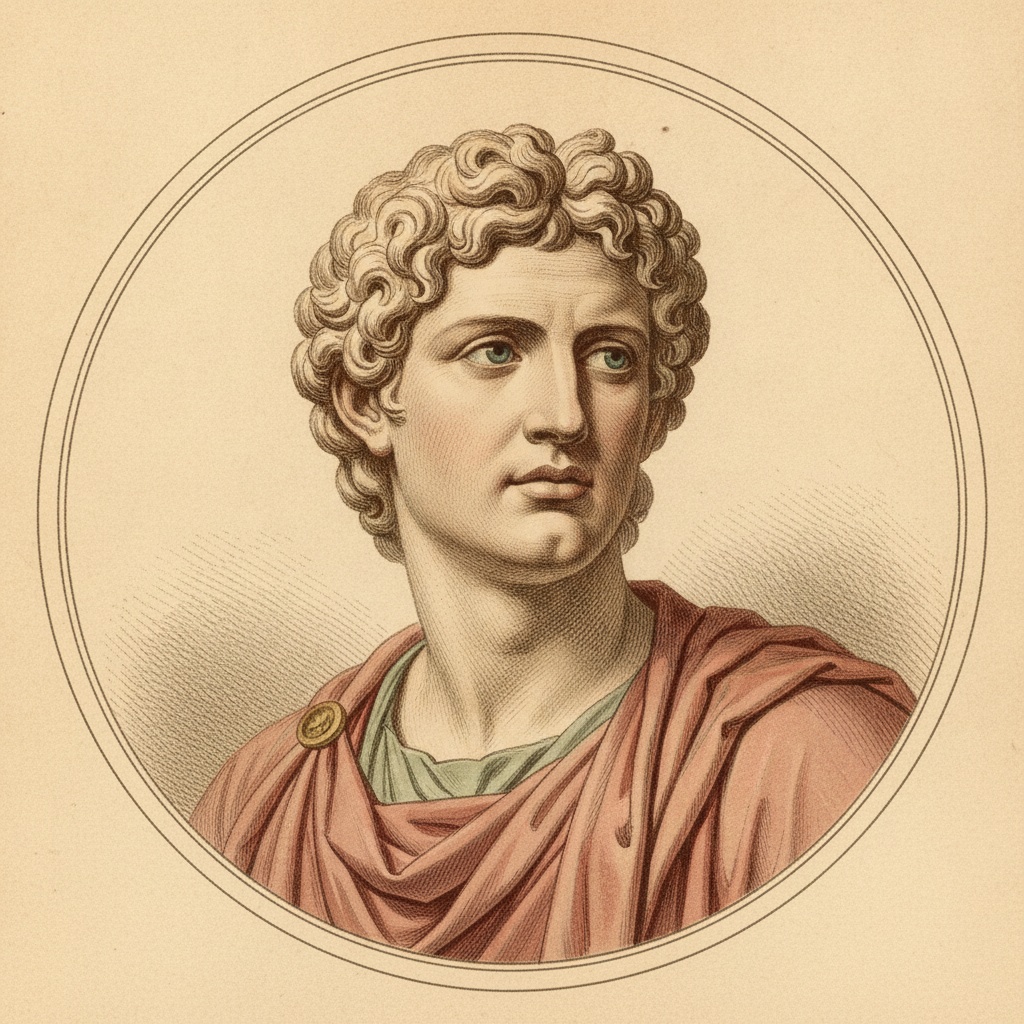
AlcibiadesAthenian general of the same generation, c. 450–404 B.C.
In 401 B.C. the Persian prince Cyrus the Younger hired some ten thousand Greek mercenaries to help him wrest the throne from his brother, the Great King Artaxerxes. At Cunaxa, outside Babylon, the Greeks broke the wing in front of them — but Cyrus was killed, and the whole enterprise collapsed around their victory. Stranded a thousand miles from home, their generals soon seized and murdered under a flag of truce, the Ten Thousand elected new leaders, among them a young Athenian named Xenophon, and set out to march up-country to the sea.
Their route ran north through the mountains of Armenia, harried by tribes and winter, until from a ridge called Theches the vanguard raised the cry that gives the march its fame — θάλαττα, θάλαττα, “the sea, the sea!” — and knew they would live.
The Greek World · Xenophon’s Anabasis
The March of the Ten Thousand, 401–399 B.C.
Scroll to follow the ten thousand from Sardis to the disaster at Cunaxa, and out again to the sea.
Spring 401 B.C.
Up from the sea
Cyrus the Younger musters an army at Sardis to unseat his brother, the Great King — and buried in it are more than ten thousand Greek hoplites, told only that they march against hill tribes. Up through Phrygia they go, deeper into the empire than any Greek army has come.
401 B.C.
Through the gates
At Tarsus the Greeks balk: they can see this is no border raid but a march on Babylon. Cyrus buys them on with higher pay. Past the Cilician and Syrian gates the road bends east, toward the King.
September 401 B.C.
The battle that stranded them
They cross the Euphrates at Thapsacus and follow it down to Cunaxa, near Babylon. The Greeks sweep their wing of the field — and it means nothing, because Cyrus charges, and dies. Their paymaster and their cause are gone in an afternoon.
401–400 B.C.
Betrayed, and marching north
Lured to a parley, their generals are seized and killed. New leaders are chosen — Xenophon among them — and the army turns north up the Tigris, past the dead cities of Assyria, and fights its way through the Carduchi and across the Kentrites into an Armenia deep in snow.
400 B.C.
“The sea! The sea!”
From Gymnias a guide leads them to a mountain, and the vanguard on the summit of Theches raises a cry that runs down the whole column — thálatta! thálatta!, the sea! Below lies Trapezus, a Greek city on the Black Sea coast. They have come out.
400 B.C.
The coast road home
Along the friendly Greek coast — Kerasous, Kotyora, Sinope — they make their way west to Byzantium and back into the Greek world. Xenophon will write it all down, and the retreat becomes the most famous long march in antiquity.
Sardis
on the march up-countrybattle / the sea reachedthe sea first sightedon the retreat / coast roadthe march (schematic)
Sites: Pleiades — Thapsacus and Cunaxa have no usable Pleiades point and are placed by hand; both disputed. Land and rivers: Natural Earth. The route is schematic; no precise ancient track survives.
‡What it changed
Aftermath
The march proved something the Greek world did not forget: a disciplined citizen-army could cut its way through the heart of the Persian empire and come out alive. It was read closely, two generations later, by a young king of Macedon with designs on the East.
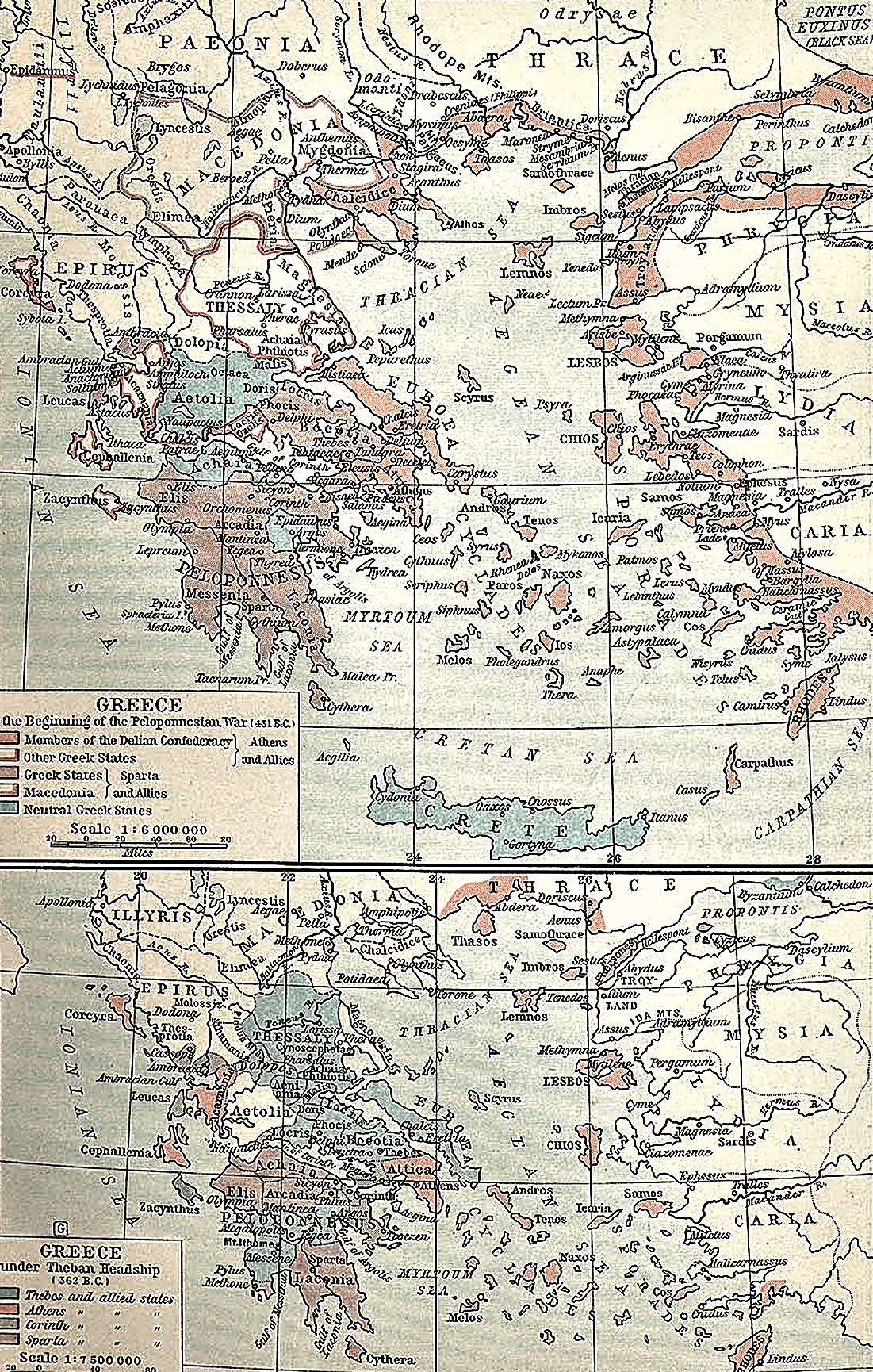
Plate431 and 362 B.C. · Two balances of power
From the Peloponnesian War to Theban leadership
Shepherd plate · 431 and 362 B.C.Tap to enlarge · zoom
Greece in 431 and 362 B.C. The upper map divides the alliances at the opening of the Peloponnesian War; the lower records the brief Theban hegemony after Leuctra.
William R. Shepherd, Historical Atlas (1911), public domain; restored from the University of Texas scan.
The fourth century, year by year
Sparta, Thebes and Macedon, 395–323 B.C.
Three leading powers in seventy years, the King of Persia holding the balance, and a Macedonian king at the end.
395 B.C.
Sparta's empire
Sparta rules Athens' old empire through governors and garrisons, and goes to war with Persia for the Greeks of Asia, under Thibron (400) and then King Agesilaus (396). With Persian gold, Thebes, Athens, Corinth and Argos rise against Sparta in 395, and Lysander falls at Haliartus. The next year Conon's fleet, in the King's pay, destroys Sparta's navy off Cnidus.
386 B.C.
The King's Peace
After eight years of war the Persian king sets the terms. The Greek cities of Asia, and Cyprus, are his; every other city is to be autonomous, except Lemnos, Imbros and Scyros, which go to Athens. Sparta, as the peace's enforcer, breaks up the Boeotian League, splits Mantinea into villages (385) and seizes the citadel of Thebes (382).
371 B.C.
Leuctra
Theban exiles retake their citadel (379), and Athens forms a new league (378), promising its members no tribute and no settlers. At Leuctra (371) the Theban army of Epaminondas, massed fifty shields deep on its left, breaks the Spartan line. King Cleombrotus and about four hundred of the seven hundred Spartiates present are killed, according to Xenophon.
362 B.C.
Mantinea
Epaminondas invades Laconia, the first enemy army there in centuries, and frees Messenia, where the helots found Messene (369); the Arcadians build Megalopolis. Pelopidas carries Theban power into Thessaly. At Mantinea (362) Epaminondas wins and is killed. Xenophon ends his history there: after the battle, he says, Greece was in more confusion than before.
348 B.C.
Philip
Philip II takes the Macedonian throne (359) and rebuilds the army around a long-speared phalanx. He takes Amphipolis (357), Pydna and Potidaea (356) and Methone (354), where he loses an eye. Athens' allies break away in the Social War (357–355). After the Crocus Field (352) Philip heads the Thessalians, and in 348 he destroys Olynthus while Demosthenes urges Athens to act.
338 B.C.
Chaeronea
The peace of Philocrates (346) ends the Sacred War on Philip's terms. He conquers Thrace (342–340), though Perinthus and Byzantium beat off his sieges. At Chaeronea (338) he defeats Athens and Thebes, with his eighteen-year-old son Alexander commanding a wing. Philip garrisons Thebes, spares Athens, and gathers every Greek state but Sparta into a league at Corinth that votes war on Persia.
334 B.C.
Alexander crosses
Philip is murdered (336). Alexander crushes a Theban revolt and razes the city (335), then crosses the Hellespont with about 37,000 men by Diodorus' count. He beats the satraps at the Granicus (334), takes Sardis, and restores democracy to the Ionian cities; Miletus and Halicarnassus are taken by siege. The Persian fleet holds the islands until 332.
323 B.C.
After Alexander
Alexander destroys the Persian empire at Issus (333) and Gaugamela (331) and marches on to India. In Greece, Antipater beats Agis III of Sparta at Megalopolis (331). When news comes that Alexander has died at Babylon (June 323), Athens and the Aetolians lead a Greek rising, the Lamian War, and shut Antipater up in Lamia. Macedon wins it in 322.
395 B.C.
SpartaSparta's allies and garrisonsAthensAthens' second leagueThebes and BoeotiaAllies of ThebesMacedonBeing won by MacedonLeague of Corinth, under MacedonPersian empireIn arms against Macedonchanged this step
Regions are editorial outlines, clipped to Natural Earth coastlines; islands are shown whole, and a region takes the colour of its leading cities. In 395 the dashed teal marks the coalition of Thebes, Athens, Corinth and Argos against Sparta. Sites: Pleiades.