 Click to enlarge
478–462 B.C.From league to empire
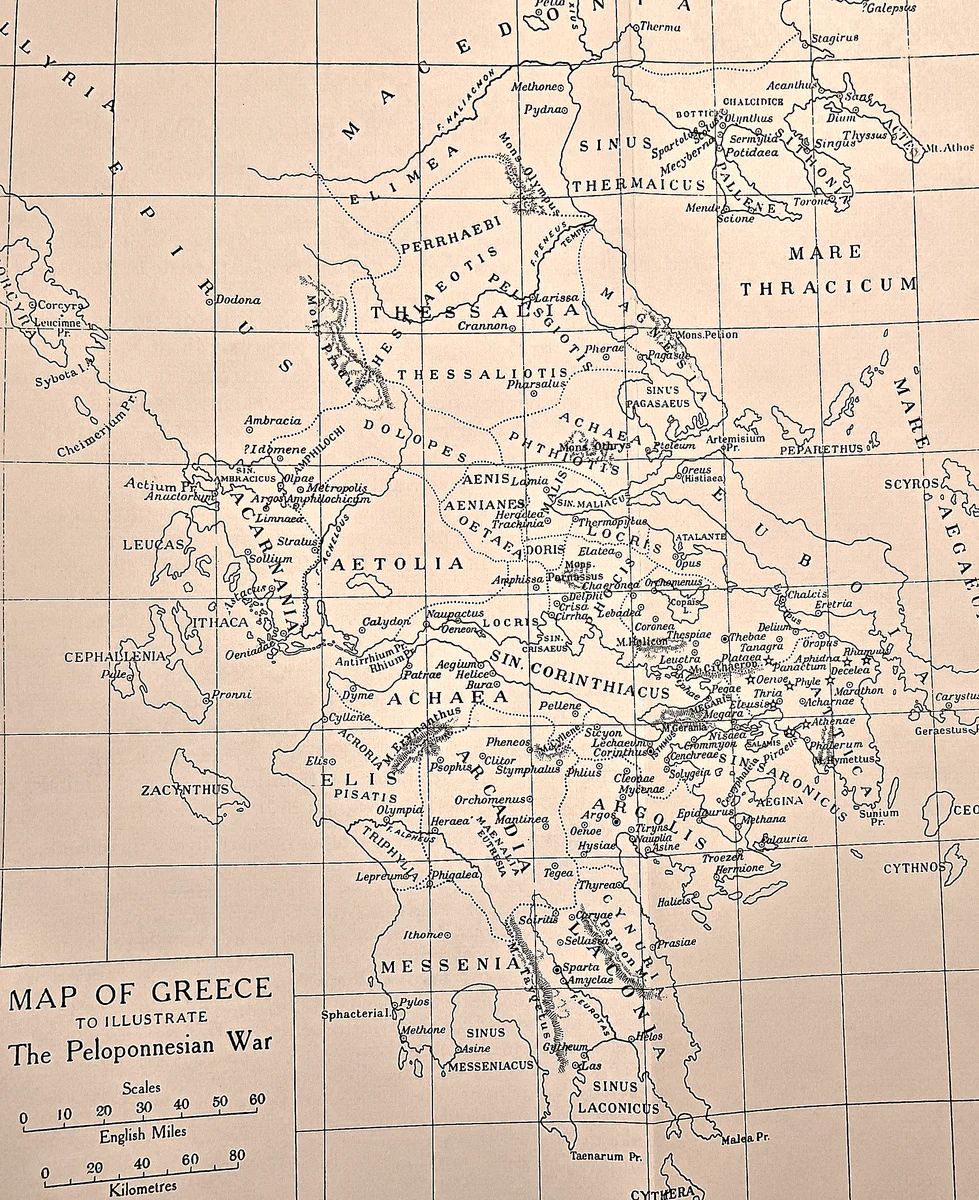
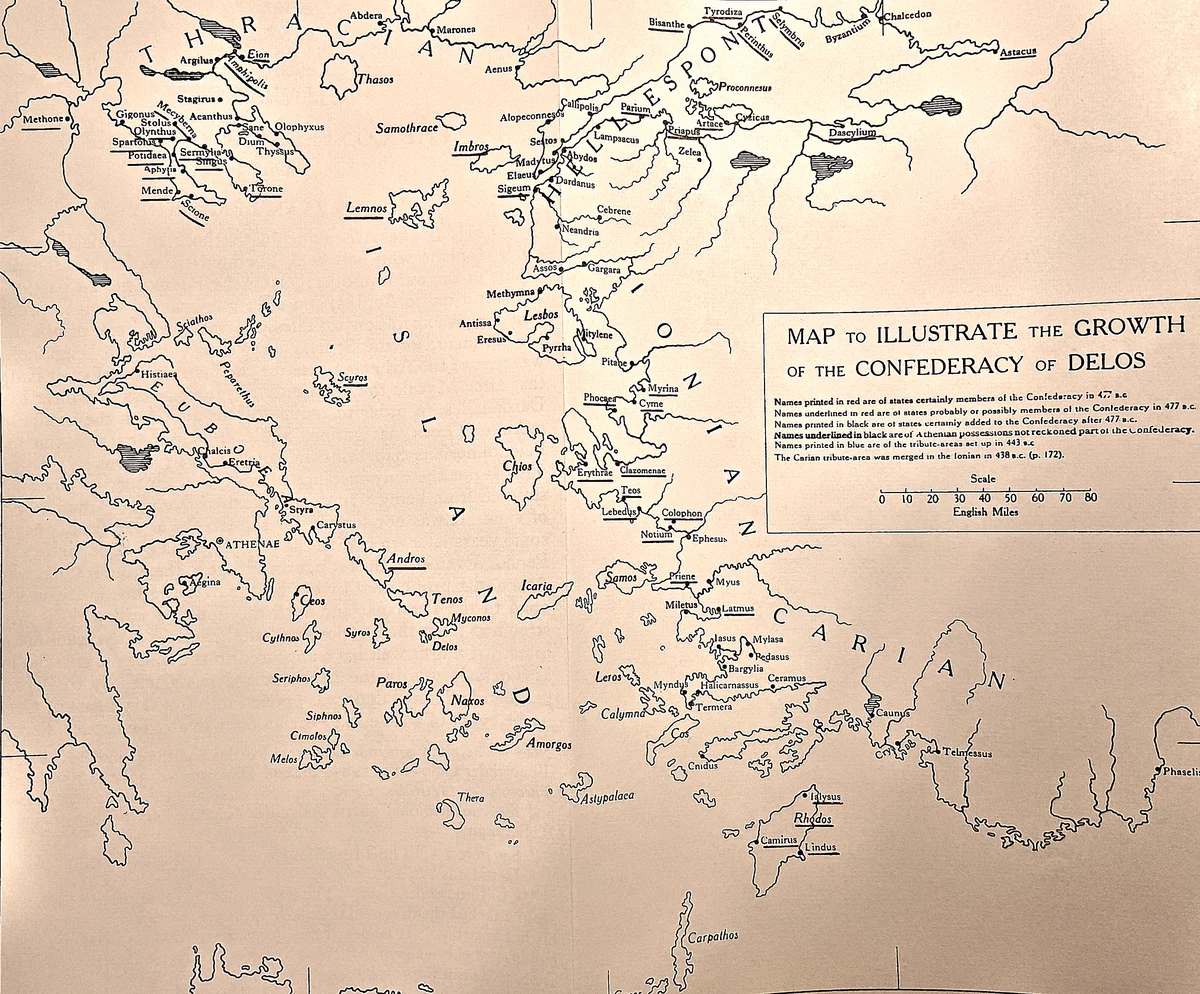
In 478 B.C. the Spartan regent Pausanias, victor of Plataea, so offended the allies by his arrogance that the Ionians asked Athens to take the lead, and Sparta, which had never wanted a war overseas, let them go. The next year the island and Ionian states met on the sacred island of Delos and formed a league to keep fighting Persia and to recover what they had lost. Each member swore alliance with Athens, and each contributed ships or, if it preferred, money; Aristides assessed the first tribute at 460 talents a year, Thucydides says, and the treasury was kept in the temple of Apollo at Delos under Athenian treasurers. The league was Athens’ from the start, but for a generation it did what it was founded to do. Cimon, Miltiades’ son, took Eion and Scyros, and about 466 destroyed a Persian fleet and army together at the river Eurymedon in Pamphylia.
The allies discovered early that they could not leave. Naxos tried about 470 and was besieged and forced back; Thasos, quarrelling over a gold mine, held out for two years and lost its walls and its fleet in 463. Thucydides, who watched the later stages, says plainly that the allies brought it on themselves by paying money rather than serving in ships, so that Athens grew strong and they grew unpractised in war. The Athenians meanwhile removed their own great men: Themistocles was ostracised about 471 and ended his life as a Persian governor; Cimon, who had led an Athenian force to help Sparta against its revolted helots in 462 and been sent home with insult, was ostracised the next year. In his absence Ephialtes stripped the old aristocratic council of the Areopagus of its political powers and gave them to the assembly, the council of five hundred and the popular courts. Ephialtes was murdered. The man who came forward in his place was Pericles.
 Click to enlarge
461–431 B.C.Pericles’ Athens
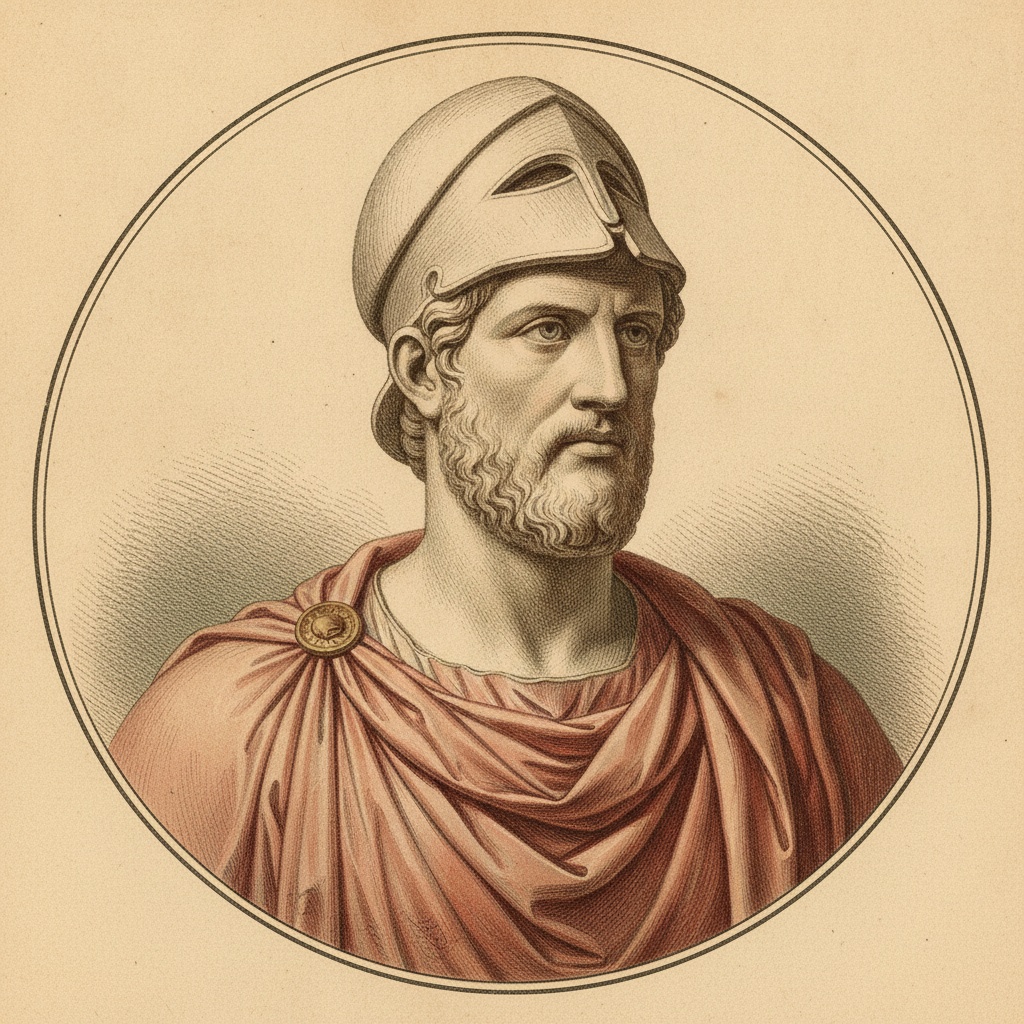
Pericles, an Alcmaeonid on his mother’s side, was elected general year after year for three decades, and Thucydides, who did not like democracies, says that under him Athens was in name a democracy and in fact the rule of its first citizen. He completed the democracy: pay for jurors, so that poor men could sit in the courts, and later for councillors; the lot for most offices; a law of 451 that confined citizenship to the sons of two Athenian parents. He fought Sparta’s allies in what is sometimes called the First Peloponnesian War, took Aegina and Megara, won Boeotia at Oenophyta in 457 and lost it again at Coronea in 447, and in 446 made the Thirty Years’ Peace with Sparta that gave up the mainland gains and kept the sea. In 454 the league treasury had been moved from Delos to Athens after a disaster in Egypt; the tribute lists carved on stone begin that year, and a sixtieth of every payment went to Athena. Whether a formal peace with Persia was made about 449, the Peace of Callias, was already doubted in antiquity and is doubted still; fighting against Persia stopped, and the tribute did not.
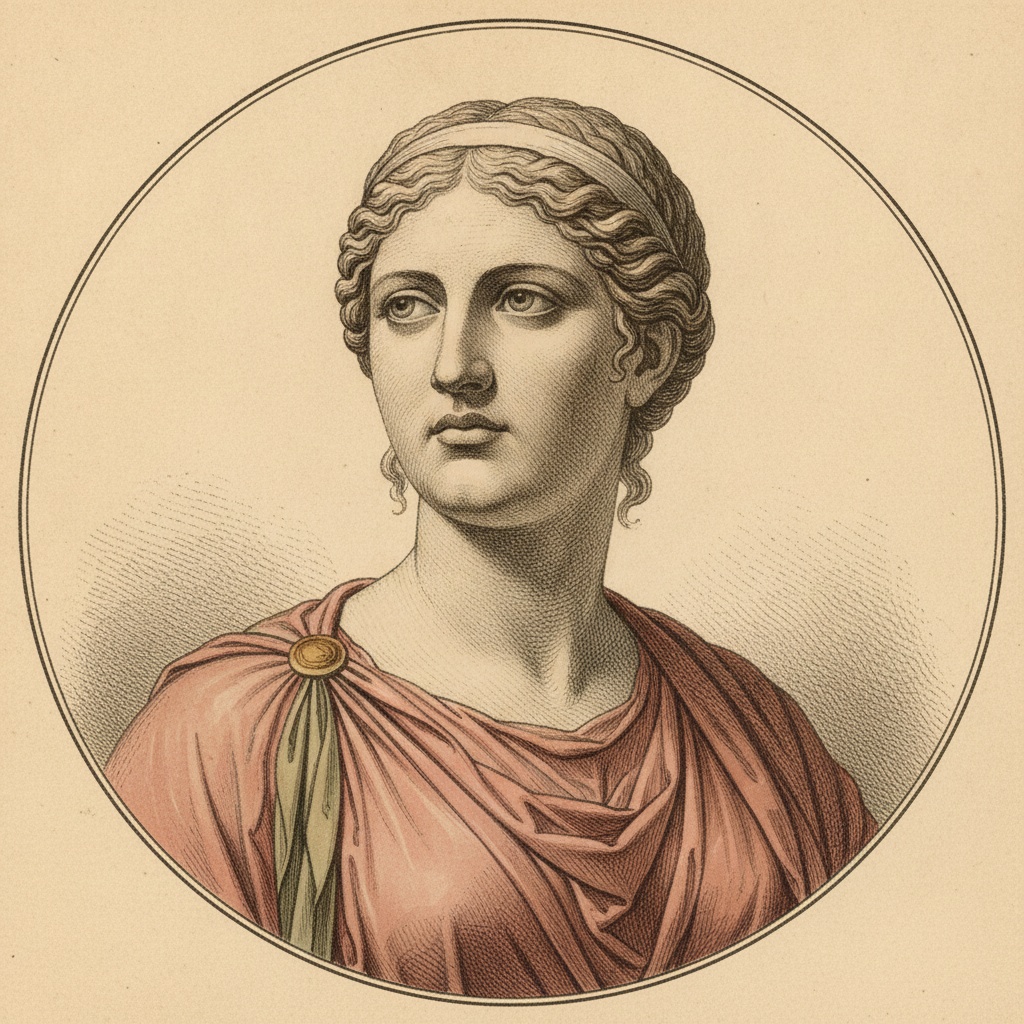
The tribute built Athens. The Parthenon rose on the Acropolis from 447 to 432 with Phidias’ gold and ivory Athena inside it; the Propylaea followed; the Long Walls joined the city to its harbour at Piraeus so that Athens could be fed by sea whatever happened on land. Aeschylus had died in 456, Sophocles and Euripides competed at the Dionysia, Herodotus read his history in the city, Anaxagoras taught that the sun was a burning stone, and Socrates asked questions in the agora. Pericles’ companion Aspasia of Miletus, a foreigner whom the comedians abused and Plato treated with respect, kept a house where such men talked. The assembly that governed all this was some forty thousand adult male citizens; women, resident foreigners and slaves, who between them were most of the population, had no part in it. When Samos revolted in 440 Pericles crushed it in nine months. The allies called themselves, by then, the cities that Athens ruled.
433–421 B.C.The war comes, and the plague
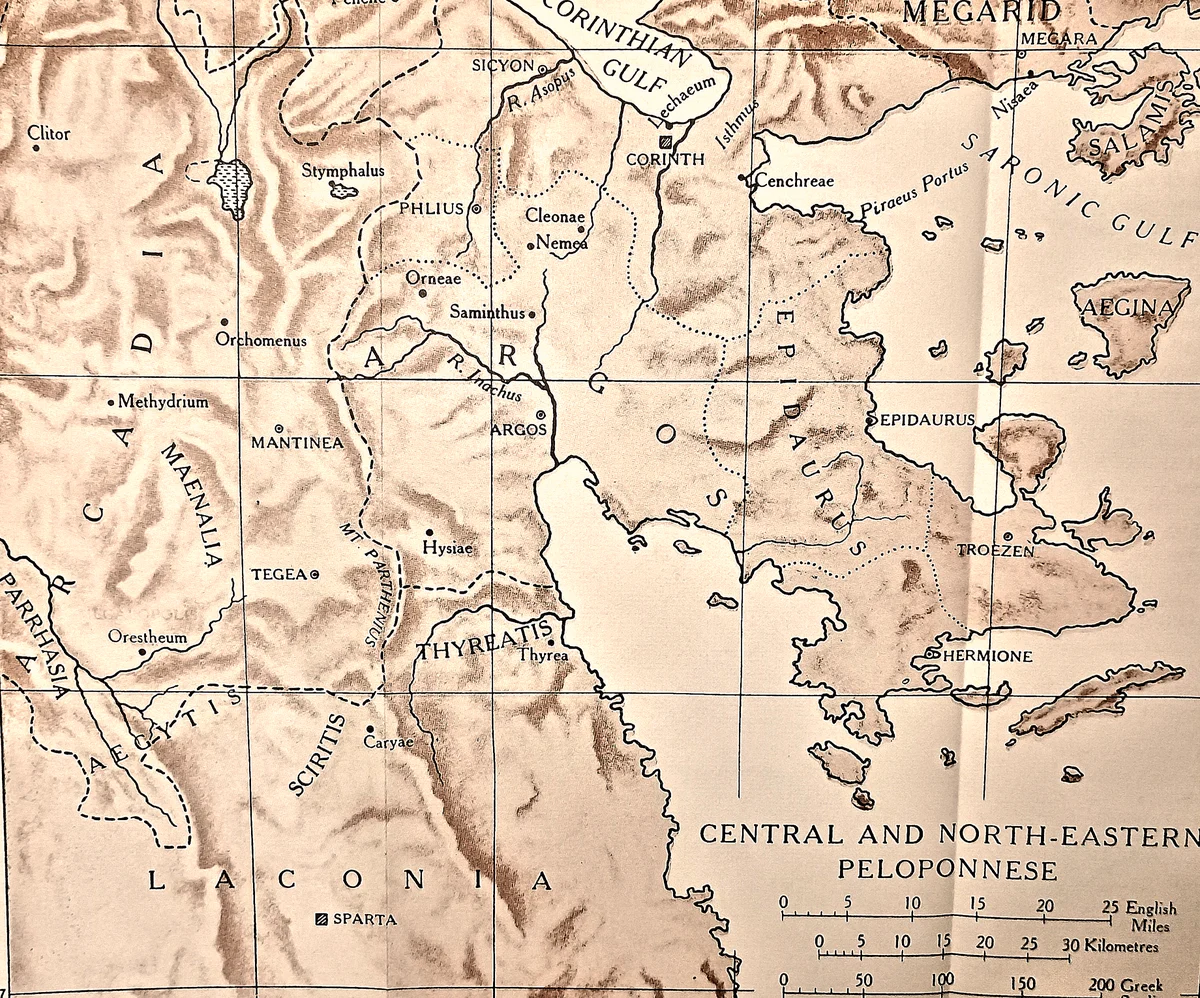
Thucydides set out the immediate quarrels and then gave what he called the truest cause. The quarrels were a dispute over Epidamnus that brought Athens into alliance with Corcyra against Corinth in 433, the siege of Corinth’s colony Potidaea, and a decree shutting Megara out of Athenian markets. The truest cause was Sparta’s fear of the growth of Athenian power. Corinth pressed Sparta to act; the Spartan assembly voted that the peace was broken; and in the spring of 431 King Archidamus led the Peloponnesian army into Attica to burn the crops and bring the Athenians out to fight. Pericles would not fight. His strategy was to abandon the countryside, hold the walls, live off the sea and the tribute, raid the Peloponnesian coast, and wait for Sparta to tire. It required a democracy to watch its farms burn every summer and do nothing, and it very nearly held.
 Click to enlarge
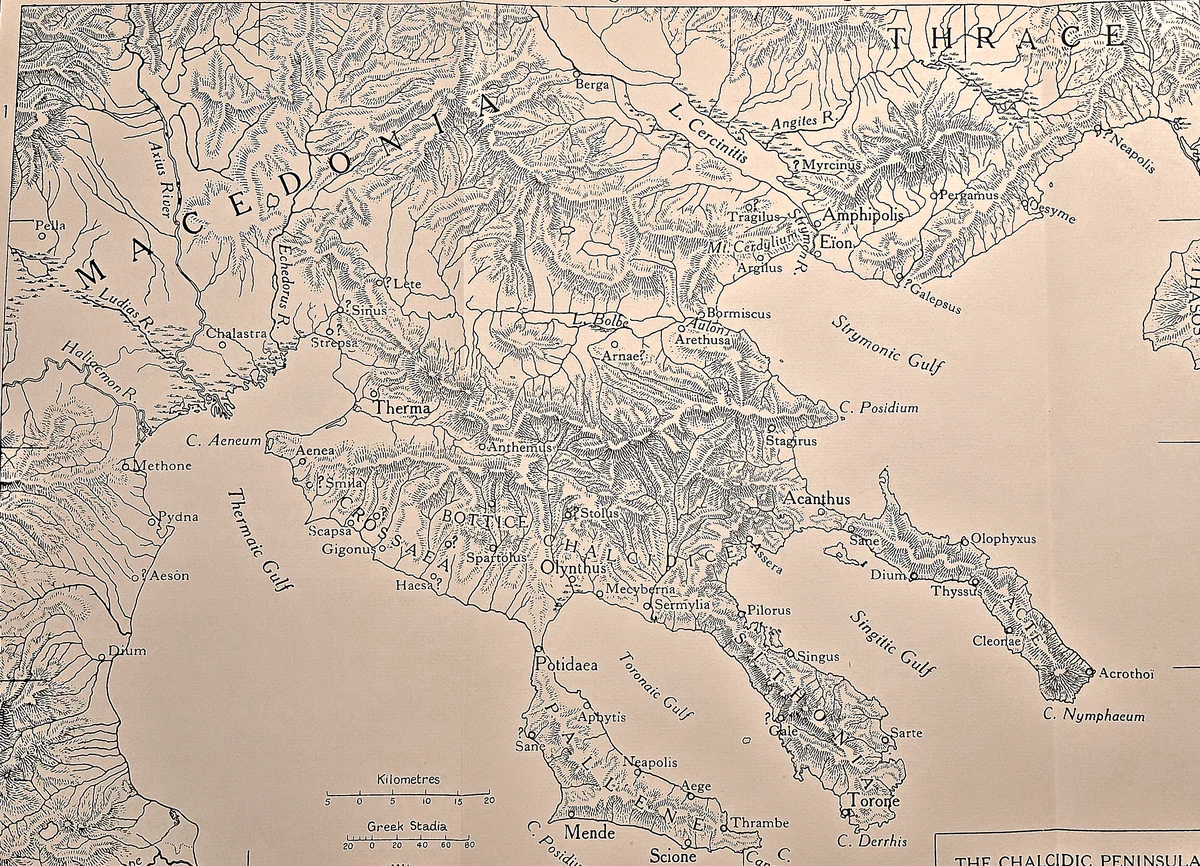
In 430 a plague came in through Piraeus and killed, over four years, perhaps a third of the population crowded inside the walls; Thucydides caught it and described its course so that it might be recognised if it returned. Pericles died of it in 429. The war went on without a plan. Mytilene revolted and was reduced in 427; Plataea fell the same year and its garrison was executed. In 425 Demosthenes seized Pylos on the Messenian coast and, with the demagogue Cleon, took prisoner two hundred and ninety-two Peloponnesians, a hundred and twenty of them Spartiates, on the island of Sphacteria; Sparta, which had never lost its citizens alive before, sued for peace and was refused. In 424 the Athenians were beaten at Delium in Boeotia, and the Spartan Brasidas, marching north, took Amphipolis, the key to Athens’ Thracian timber and silver; Thucydides, the general who arrived too late to save it, was exiled for twenty years and used them to write. In 422 Cleon and Brasidas both died fighting for Amphipolis, and with the two men most opposed to peace gone, Nicias made one in 421 for fifty years. It lasted, in Thucydides’ judgement, not at all, and in form six.
 Click to enlarge
416–413 B.C.Melos and Sicily
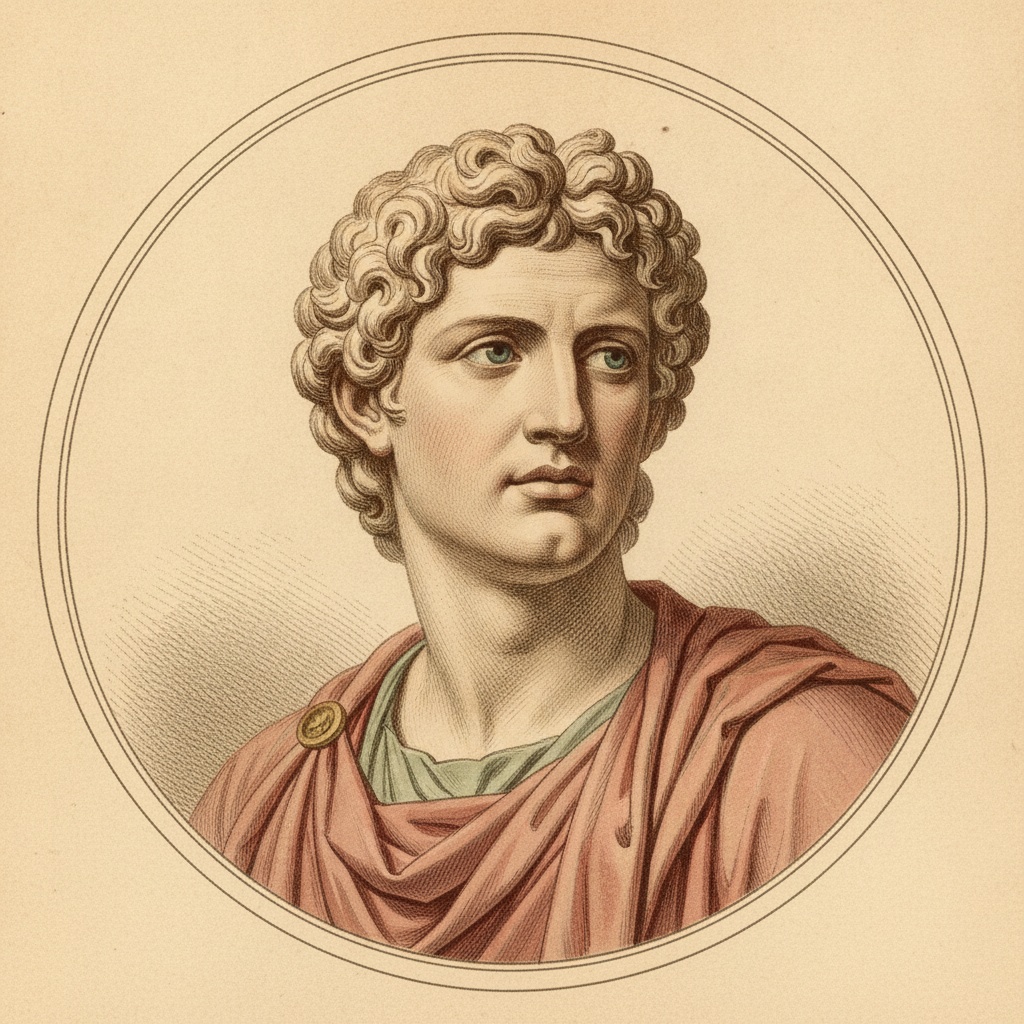
In 416 the Athenians demanded the submission of Melos, a Dorian island that had stayed neutral, and when it refused, besieged it, killed the men and enslaved the rest. Thucydides made the negotiation into a dialogue in which the Athenians argue that the strong do what they can and the weak suffer what they must; he composed the speeches, as he says he did throughout, to what the occasion demanded. The next year Alcibiades, Pericles’ ward, brilliant, rich and trusted by no one, persuaded the assembly to send a great fleet to Sicily on the invitation of Segesta, against Syracuse, the largest Dorian city in the west. Nicias, who opposed the expedition, was made one of its generals along with Alcibiades and Lamachus. On the eve of sailing the stone images of Hermes in the streets were found mutilated; Alcibiades was accused of sacrilege, recalled to stand trial after the fleet reached Sicily, and fled to Sparta, where he told the Spartans how to beat Athens.
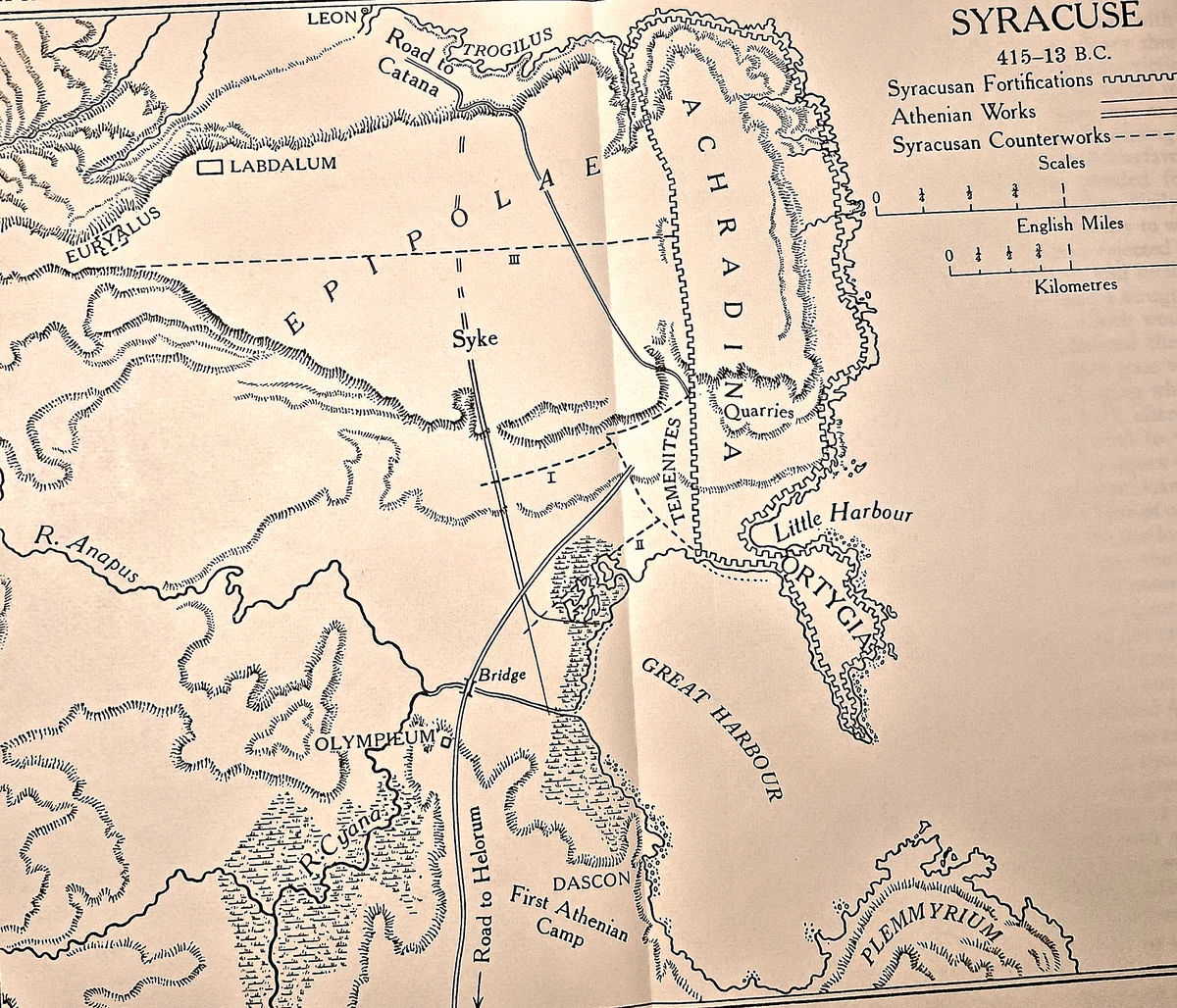
The Athenians nearly took Syracuse. In 414 they walled it in on the landward side, and the city was ready to treat when a Spartan officer, Gylippus, slipped in with reinforcements at Alcibiades’ urging and turned the siege. Nicias, ill and irresolute, asked to be recalled; the assembly sent instead a second fleet under Demosthenes, seventy-three ships, and Athens had nearly its whole force in a harbour at the far end of the sea. A night attack on the heights of Epipolae failed in confusion. Demosthenes wished to leave at once; Nicias delayed, an eclipse of the moon delayed him further, and the Syracusans closed the harbour mouth and beat the Athenian fleet inside it. The army, some forty thousand men, tried to march away inland and was hunted down; the last column, mad with thirst, was slaughtered in the river Assinarus. Nicias and Demosthenes were executed and the survivors put in the stone quarries, where most died. Thucydides called it the greatest action of the war and the most calamitous for the defeated, who lost, as he says, everything: fleet, army and, of all that had gone, few came home.
 Click to enlarge
413–404 B.C.The long ending
Athens should have fallen in 413 and did not for nine years. Sparta fortified Decelea within sight of the city so that Attica was occupied all year and, Thucydides says, more than twenty thousand slaves deserted; Chios, Miletus, Rhodes, Euboea and other allies revolted; and the Persian satraps Tissaphernes and Pharnabazus began paying for a Spartan fleet in return for the Greek cities of Asia. Yet the Athenians built new ships, put an emergency reserve of a thousand talents into service, and fought on. In 411 a group of oligarchs seized power at home and installed a council of Four Hundred; the fleet at Samos refused to recognise them, the oligarchy fell within months to a broader regime and then to the restored democracy, and Thucydides’ history breaks off in mid-sentence in this year. Alcibiades, having quarrelled with Sparta and with Tissaphernes in turn, was taken back by the fleet and led it to victories at Cynossema, Abydos and, in 410, Cyzicus, where the Spartan fleet was wiped out. He returned to Athens in triumph in 407 and was dismissed within the year when his deputy lost a battle at Notium in his absence.
In 406 the Athenians won their last great victory at Arginusae, losing twenty-five ships to Sparta’s seventy, and then tried and executed six of the victorious generals for failing to rescue the shipwrecked; Socrates, Xenophon says, was one of the presiding council that day and opposed the illegal joint vote. Sparta offered peace after Cyzicus and after Arginusae, and Athens refused both times. Then Lysander, the ablest Spartan of the war, returned to command with Persian gold from the young prince Cyrus, and in 405 caught the Athenian fleet beached at Aegospotami on the Hellespont while its crews were ashore foraging, and took a hundred and seventy ships almost without a fight. Only Conon escaped with eight. Lysander then sailed for Athens, sending every Athenian garrison and cleruch he found home to the city to swell the mouths inside the walls, and blockaded it by sea while the Spartan kings closed it by land. In the spring of 404, starving, Athens surrendered. The Long Walls and the fortifications of Piraeus were pulled down, the fleet was reduced to twelve ships, the exiles came home, and a board of thirty men chosen by Lysander governed under a Spartan garrison. Xenophon, taking up where Thucydides stopped, says the walls came down to the music of flute-girls, and that the Peloponnesians thought that day the beginning of freedom for Greece.
Why it mattered
The Peloponnesian War destroyed the Athenian empire, and with it the only Greek power that had ever ruled the Aegean from a single city. It did not give Sparta the freedom of Greece it had promised: Sparta inherited the empire, ran it worse, and handed the Greeks of Asia to Persia, which had paid for the victory. Thucydides believed he was recording a possession for all time, a war whose course showed what men and states are like under pressure, and that is how it has been read since. The next chapter, told after Xenophon, follows the Greeks through the thirty years of Spartan supremacy that ended at Leuctra.