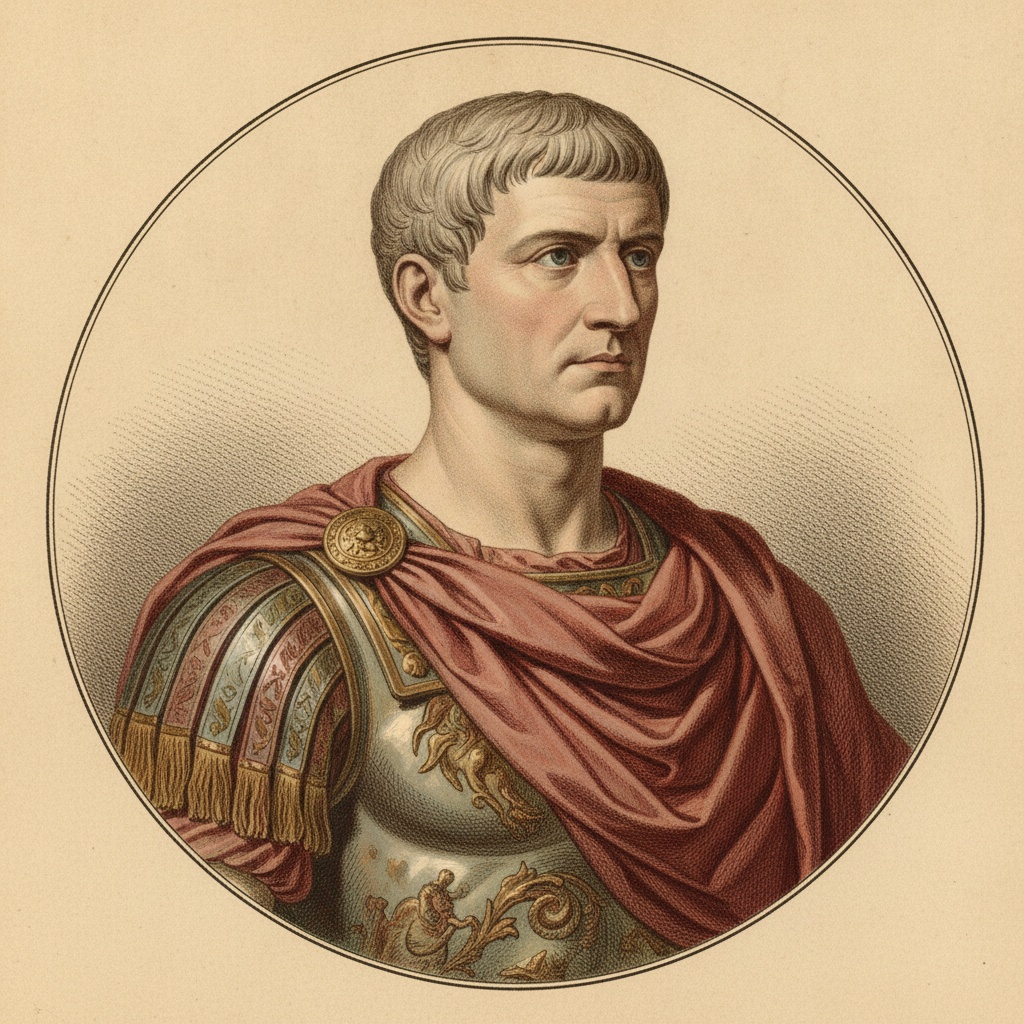
XI26–24 B.C. · Egypt, the Red Sea & Arabia
The March on Arabia Felix
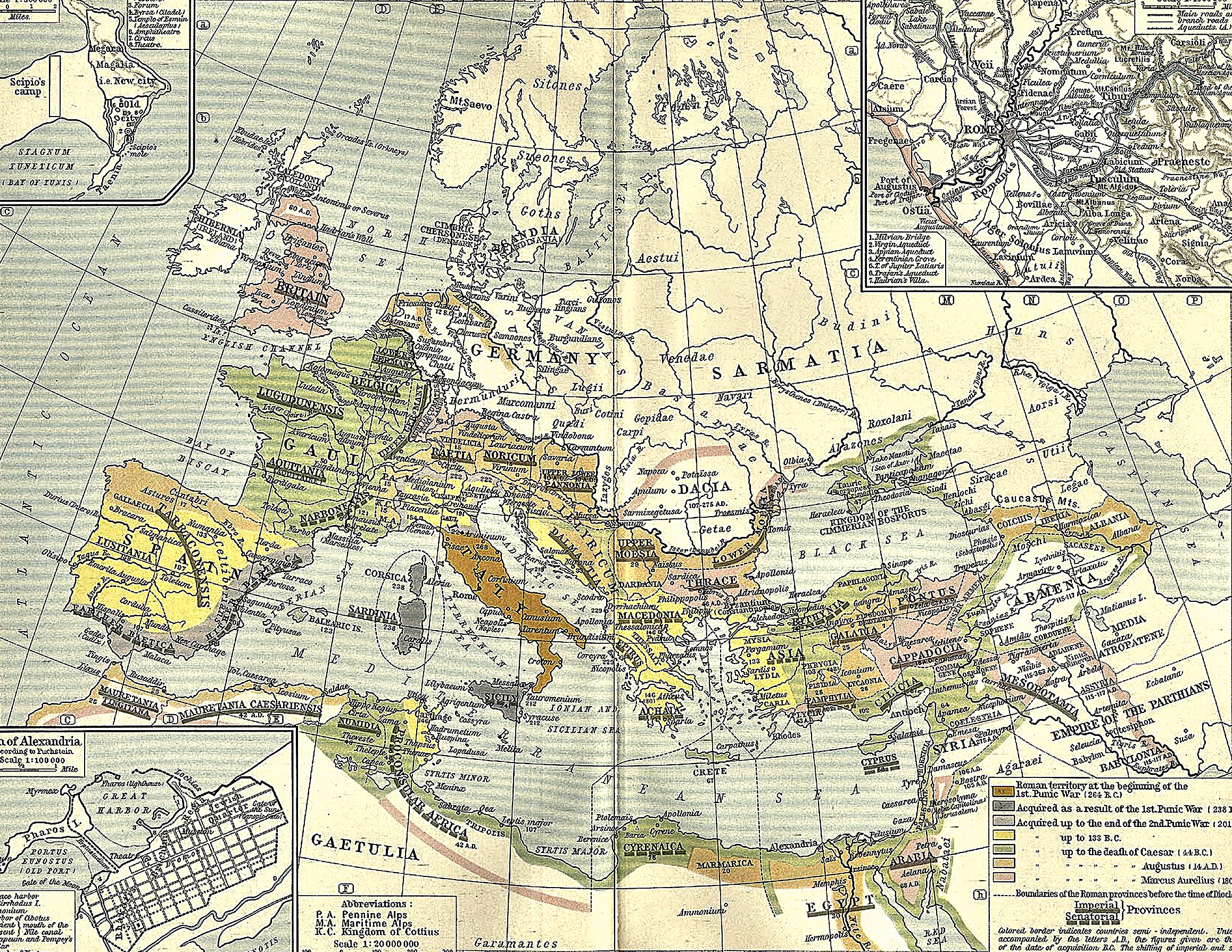
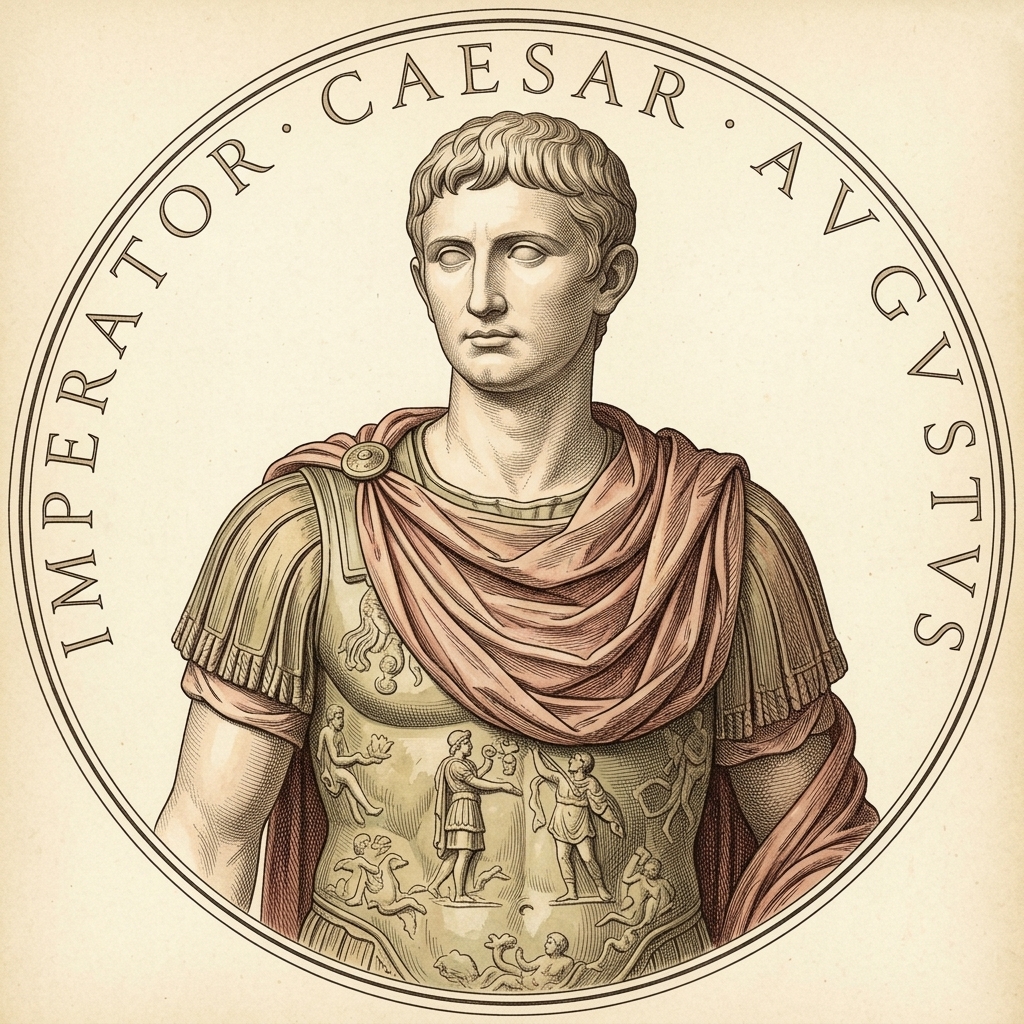
Egypt was now the emperor’s private possession, closed to senators without his leave and governed by a prefect of equestrian rank whom he appointed and could recall at will. Its second prefect, Aelius Gallus, received an order unlike any other of the reign: to march south into the incense kingdoms of Arabia, and either befriend them or take them. Strabo, who was Gallus’ friend and who had the story from him, gives the reason plainly — the report, old as memory, that the Arabians sold aromatics and precious stones for gold and silver and never spent any of it abroad. Augustus expected to gain either rich friends or rich enemies.
The expedition went wrong before it began. Gallus built eighty warships at Cleopatris, at the head of the Gulf of Suez, for a war that no fleet was ever going to fight; the Arabians, as Strabo observes, were traders and barely warlike on land, still less at sea. Realising the mistake, he built a hundred and thirty transports instead and embarked some ten thousand men — Romans and allies out of Egypt, with five hundred Jews and a thousand Nabataeans. His guide was Syllaeus, chief minister of the Nabataean king Obodas, and in Strabo’s account every disaster that followed was his work: a fleet steered onto a harbourless coast, an army led where there was no road, long circuits through country with nothing in it. Fifteen days brought them to Leuce Come with many ships lost and not an enemy sighted. The camel-traders of Petra made the same journey overland, Strabo notes acidly, in complete safety.
They lay at Leuce Come a summer and a winter while the sick recovered from two diseases of the country, one of the mouth and one of the legs. Then the march inland: thirty days through the friendly territory of Aretas, kinsman to Obodas, by the hardest road Syllaeus could find; fifty more across the desert of Ararene, whose king was named Sabos, the water carried on camels. Out of it the army came down into cultivated land, stormed the city of the Negrani at the first onset, and six days later met the only real battle of the campaign at a river — ten thousand Arabians fell, Strabo reports, and two Romans, against men who fought with bows, slings, and double-headed axes. Asca its king abandoned. Athrula surrendered, took a garrison, and gave up its corn and dates for the road on.
Then, before the walls of Marsiaba, the expedition stopped. Gallus assaulted the place for six days and raised the siege — not beaten, but out of water. His prisoners told him that the aromatic country itself lay two days’ march ahead. He turned back, and only on the road home understood how he had been handled: the outward march had taken six months, the return took sixty days. Strabo makes Marsiaba the farthest point reached; Pliny, drawing on the same official report, ends the list at a town called Caripeta instead — and the disagreement has never been settled. What is certain is the arithmetic of the losses. Seven men died in battle. The rest — and they were most of the army — died of disease, hunger, thirst, and bad roads.
“He was two days’ march from the aromatic region, as he was informed by his prisoners.”
Strabo, Geography XVI.iv.24 (trans. H. C. Hamilton & W. Falconer)
The bill arrived from the other direction. With a large part of the garrison of Egypt away in Arabia, the kingdom of Kush came down the Nile, overran Syene, Elephantine and Philae, carried off the inhabitants, and threw down the statues of Caesar. The prefect Gaius Petronius drove them back to Pselchis, broke their army, took Premnis, and burned Napata, the royal seat of the queen the Greeks called Candace. Rome held the Nile. But the incense road was left to the traders, and no Roman army ever marched into southern Arabia again. Augustus, recording the reign in his own words, wrote only that his army advanced into Arabia as far as the territory of the Sabaeans and the town of Mariba. Syllaeus was tried at Rome for this and other offences, and beheaded.