A.D. 138–161The quiet reign
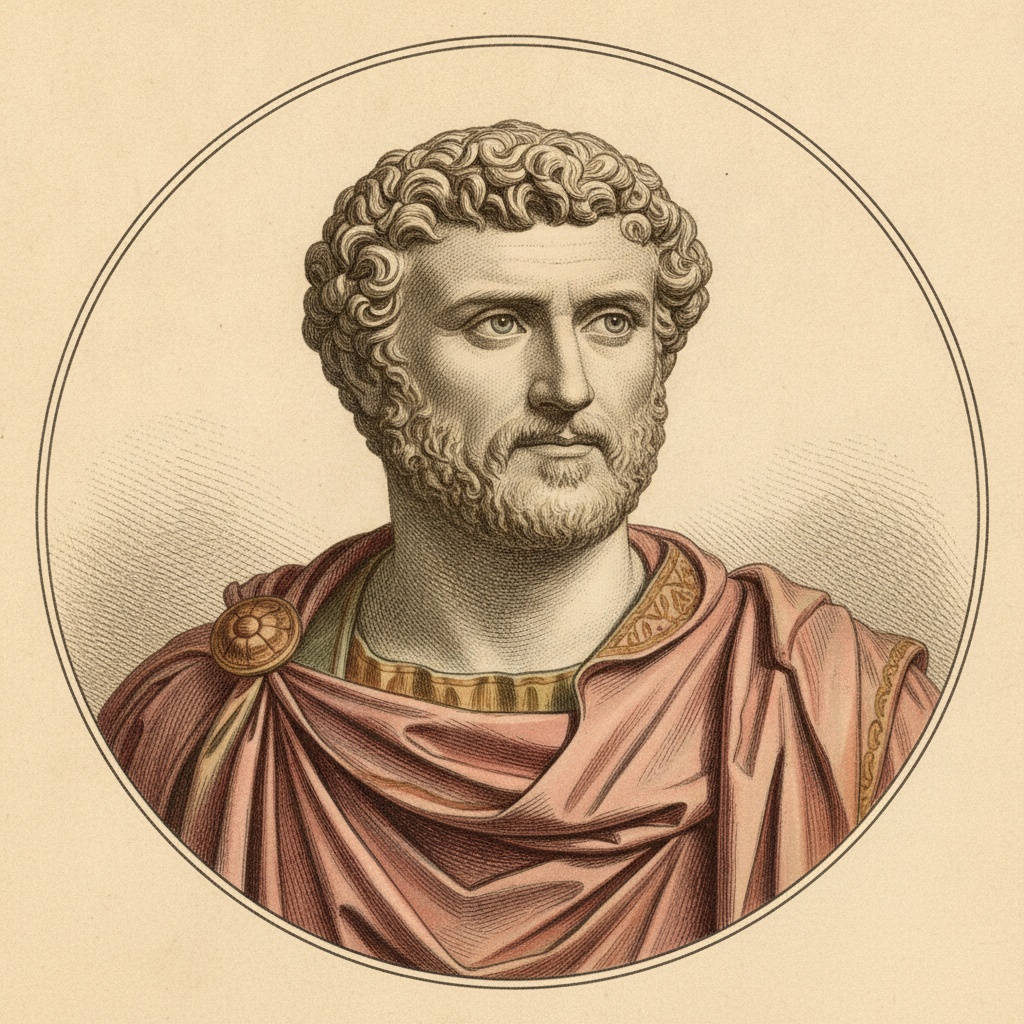
Hadrian, dying, arranged the succession two generations deep. In February 138 he adopted Titus Aurelius Antoninus, a senator of Nemausus stock in his fifties who had governed Asia and sat on the emperor’s council, on condition that Antoninus in turn adopt two boys: Marcus Annius Verus, the nephew of Antoninus’ own wife Faustina, aged sixteen, and Lucius, the seven-year-old son of the man Hadrian had first chosen and buried. Hadrian died at Baiae in July. The Senate, which had hated him, wished to annul his acts; Antoninus insisted on his deification, and the title Pius, dutiful, which the Senate gave him, was said to come from that.
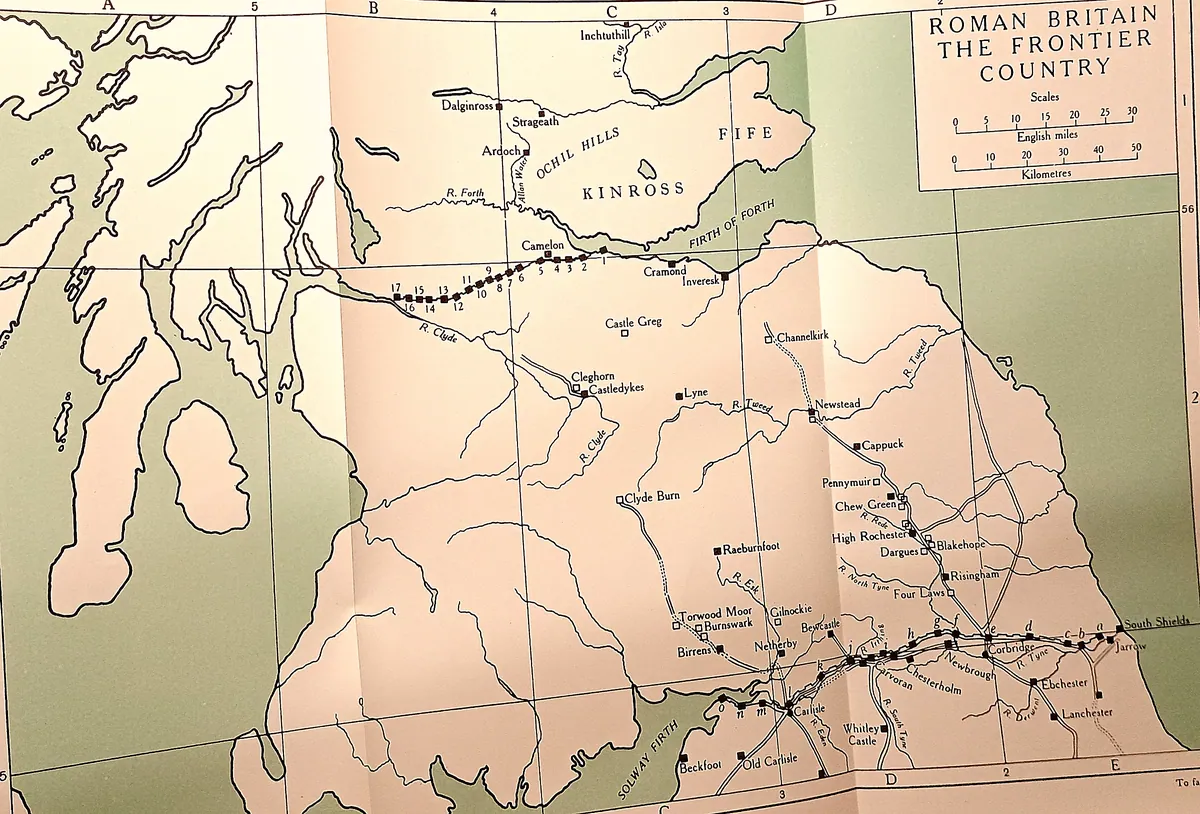
The twenty-three years that followed are the least eventful in the history of the empire and the ones its subjects remembered most kindly. Antoninus never left Italy after his accession and governed from his estates at Lorium and Lanuvium by letter. His legates pushed the British frontier north to a turf wall between the Forth and the Clyde, about 142, which was held for a generation and then given up; there were disturbances in Mauretania, Dacia and Egypt, and none of them touched the centre. He celebrated the nine-hundredth year of Rome in 148 with games and a coinage, kept the provinces under the same governors for years at a time because they were good, and left, Dio says, some two thousand seven hundred million sesterces in the treasury. His rescripts on law, which the jurists preserved, lean consistently toward the weaker party: a master who killed his own slave without cause was to be tried as if he had killed another man’s. He died at Lorium in March 161, aged seventy-four, having given as the watchword of his last night, the biography claims, aequanimitas, evenness of mind.
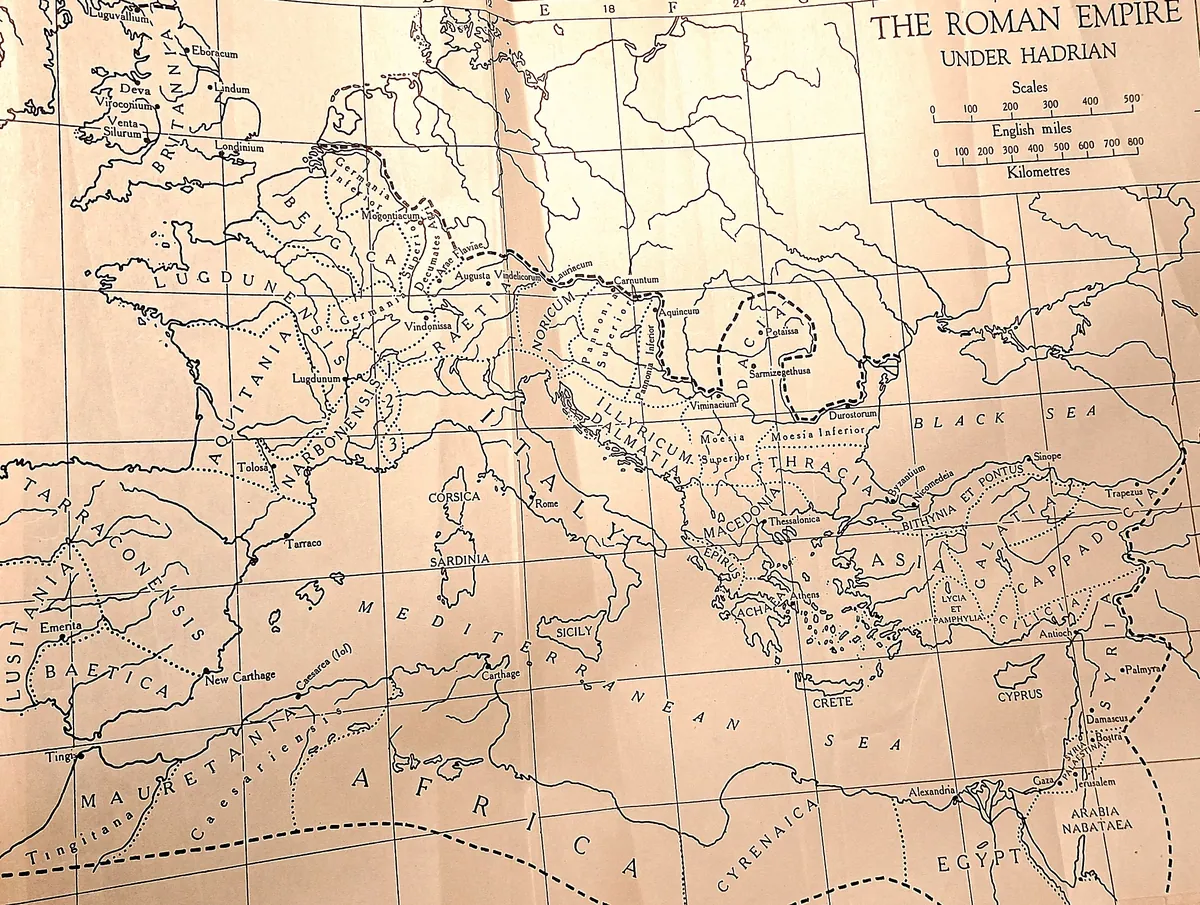 Click to enlarge
A.D. 161–180The philosopher at war
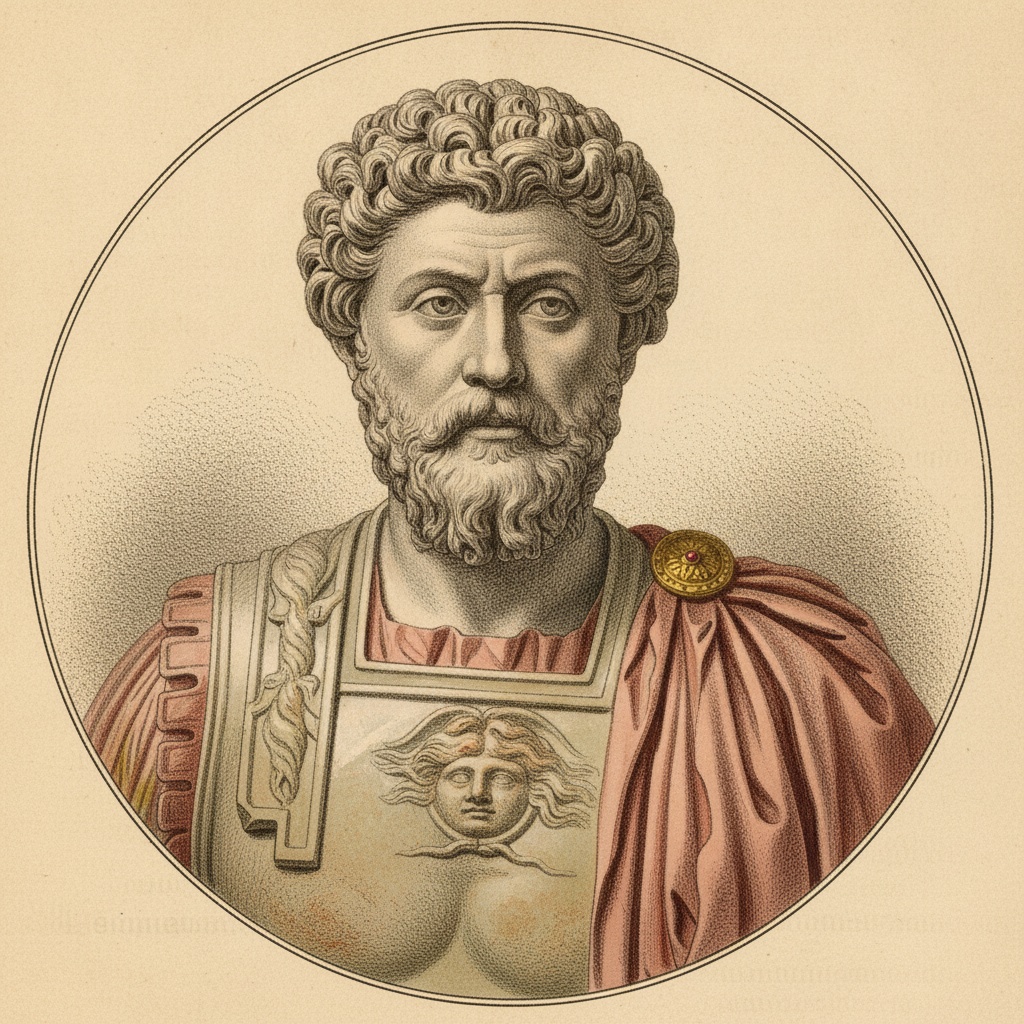
Marcus, seven weeks short of forty at his accession, at once made his adoptive brother Lucius Verus his equal as Augustus, the first time the empire had two. The quiet ended the same year. Vologases IV of Parthia put his own king on the throne of Armenia, destroyed a Roman legion at Elegeia, and sent his cavalry into Syria. Verus was despatched to Antioch with the reputation, deserved or not, of a man who left the war to his generals: Statius Priscus took and burned Artaxata in 163, and Avidius Cassius, a Syrian of senatorial rank, marched down the Euphrates and in 165 sacked Seleucia and the Parthian palace at Ctesiphon. Armenia received a king from Roman hands and Rome kept a foothold across the Euphrates. The army that came home in 166 brought the plague with it. Galen, who saw it, describes a fever with a black pustular rash; modern readers take it for smallpox. It went through the empire for a generation, returned to Rome in 189 killing, Dio claims, two thousand a day, and no one can say what fraction of the population it took.
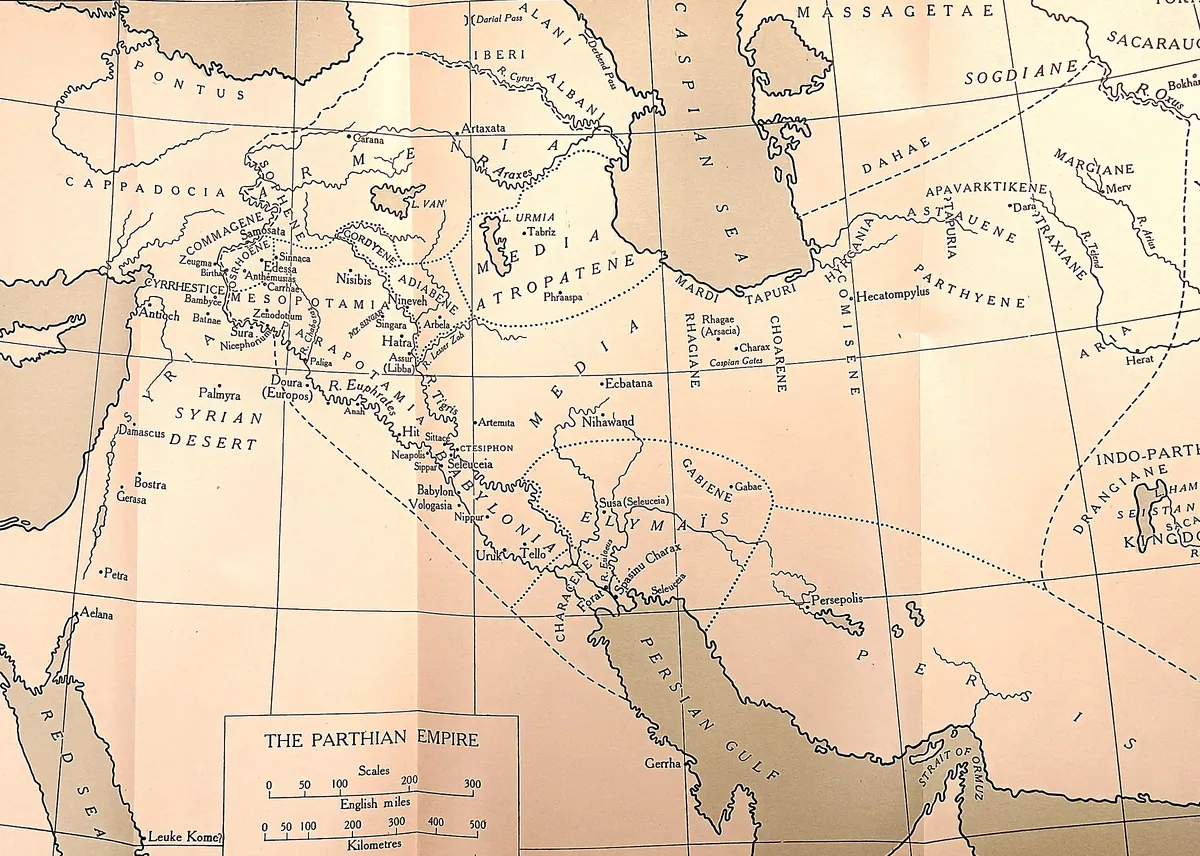 Click to enlarge
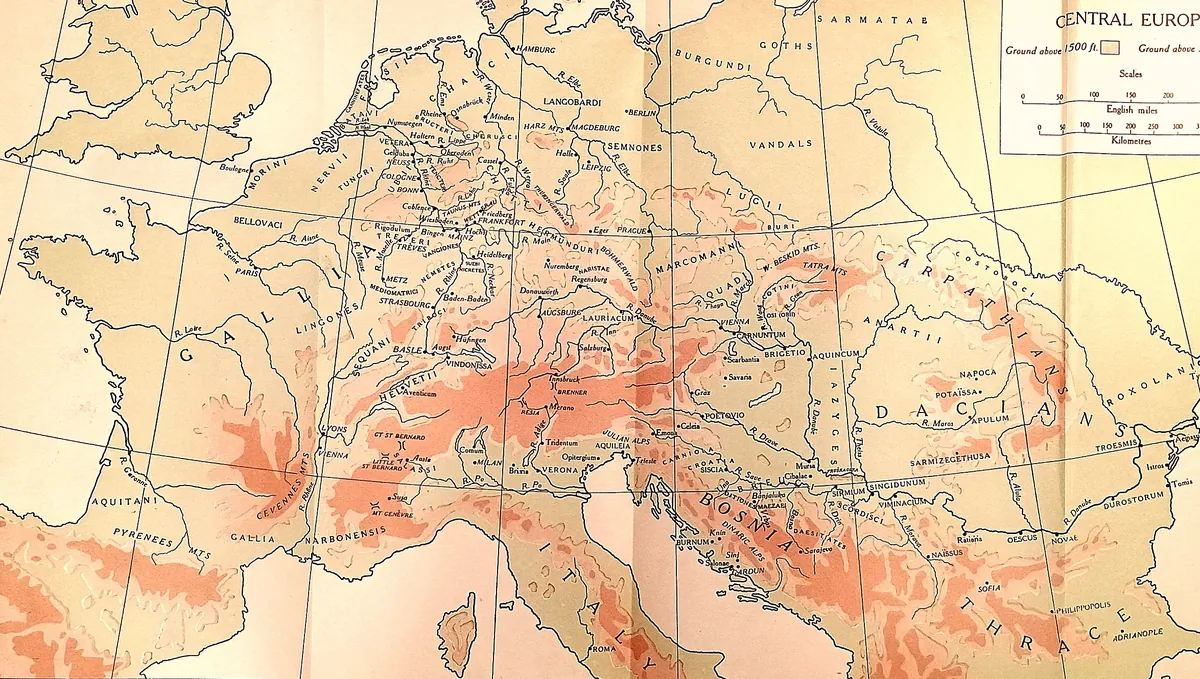
The northern frontier broke in the same years. The Marcomanni and Quadi of Bohemia and Moravia, pressed by peoples behind them and encouraged by the emptied garrisons, crossed the Danube from about 167; in 170 they broke through the Alps, destroyed Opitergium and besieged Aquileia, the first enemy in Italy since the Cimbri; the Costoboci from beyond Dacia raided as far as Greece and burned the sanctuary at Eleusis. Marcus raised two new legions from Italy, enrolled slaves, gladiators and bandits, sold the palace plate in the Forum to pay for it, the biography says, and spent most of the rest of his life at Carnuntum and Sirmium on the Danube. Verus died of a stroke on the road home in 169. The fighting was slow, seasonal and cruel, and one episode of it, a storm that saved a surrounded Roman column in Quadi country about 172, was carved on the column that still stands in Rome and claimed afterwards by both the Egyptian magicians in the army and the Christians in it. In 175 Avidius Cassius, now governing the whole East, had himself proclaimed emperor on a false report of Marcus’ death; his own soldiers killed him within three months, and Marcus, touring the East to settle it, lost his wife Faustina on the way. He was back on the Danube in 178, apparently intending to make provinces of Marcomannia and Sarmatia, and died there, at Vindobona or Sirmium, on 17 March 180, aged fifty-eight.
 Click to enlarge
The notebooks he kept in Greek during those campaigns, addressed to himself and never meant to be read, survive under the title Meditations. They are the private discipline of a Stoic who found the world mostly wearisome and did his duty in it anyway. Their author also made his son Commodus joint emperor at fifteen, and left the empire to him at eighteen.
A.D. 180–192Commodus
Commodus made peace with the Marcomanni on the terms his father’s generals had won, went home, and never took the field again. He governed through favourites: the praetorian prefect Perennis, whom the soldiers lynched in 185, and then the chamberlain Cleander, a freedman who sold consulships by the dozen and was thrown to a grain riot in 190. A conspiracy led by his sister Lucilla in 182 had already taught him to distrust the Senate; senatorial informers flourished, estates were confiscated, and the emperor withdrew into the arena. He renamed Rome Colonia Commodiana, styled himself the Roman Hercules, and fought as a gladiator, shooting beasts from a walkway and, on one occasion Dio witnessed from the senators’ seats, walking the length of the benches holding a severed ostrich head and his bloodied sword, grinning. On the last night of 192 his mistress Marcia, his chamberlain and the new prefect, finding their names on a list, gave him poison and, when he vomited it, had the athlete Narcissus strangle him in his bath.
A.D. 193–211The year of five emperors, and Severus
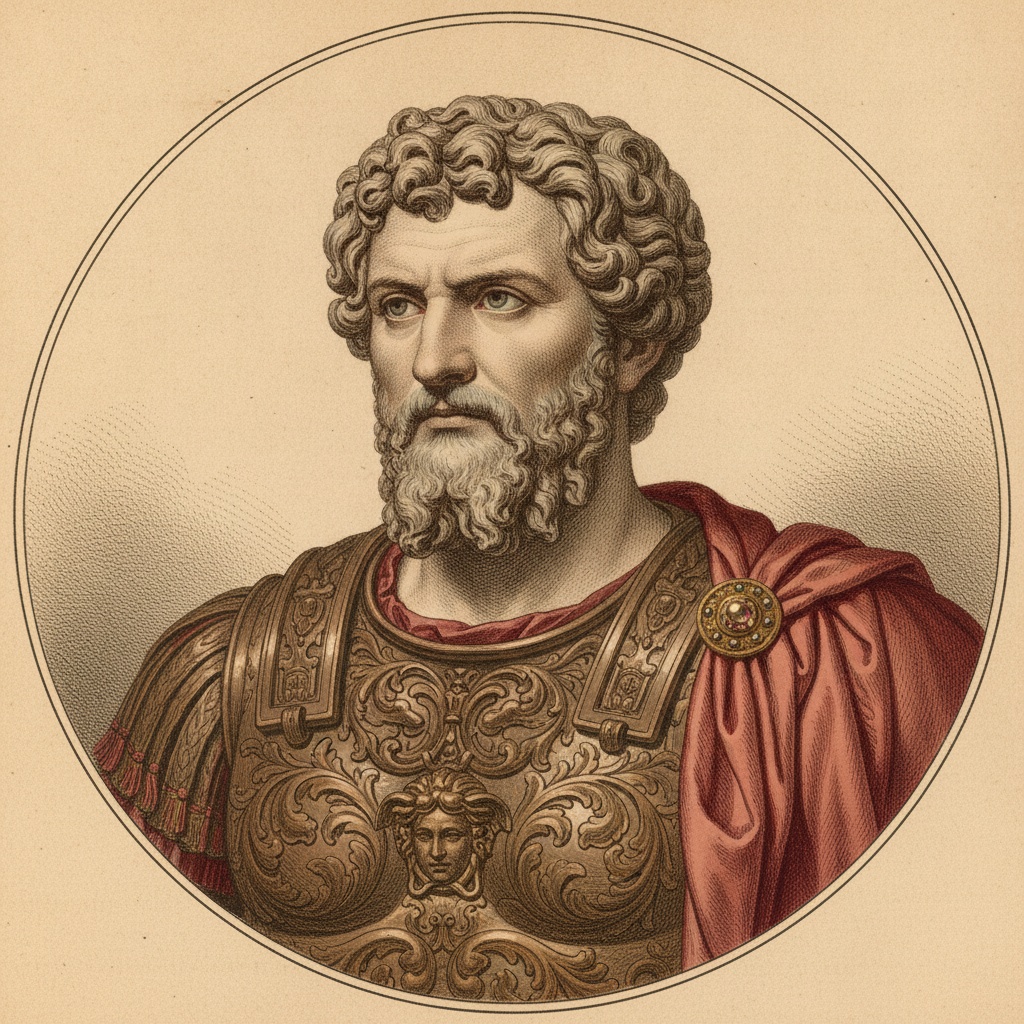
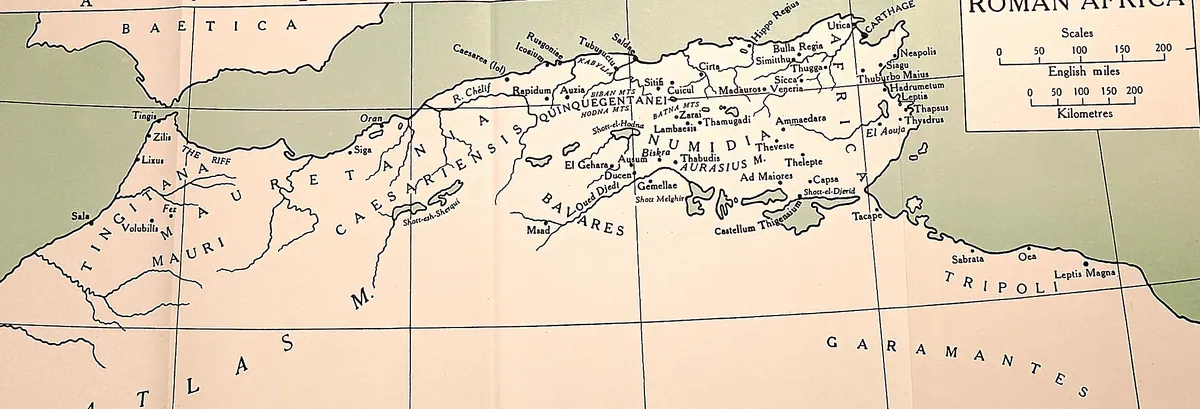
The Senate gave the empire to Pertinax, a freedman’s son who had risen through the army to the consulship. He tried to restore discipline and economy and was killed by the Praetorian Guard on 28 March 193, after eighty-seven days. The Guard then, in the scene every later writer used to explain the age, put the empire up for auction on its ramparts and knocked it down to the senator Didius Julianus at twenty-five thousand sesterces a man. Three frontier armies refused the sale. The legions of Upper Pannonia proclaimed their governor, Lucius Septimius Severus, an African from Lepcis Magna, at Carnuntum on 9 April; the Syrian legions proclaimed Pescennius Niger; the British ones Clodius Albinus. Severus, nearest to Italy, bought Albinus off with the title of Caesar, marched on Rome in sixty days, saw Julianus killed by his own guardsmen, disbanded the Guard that had sold the throne, and recruited a new one from his own Danubian legions, whose faces and manners, Dio complains, frightened the city.
Niger was driven out of Asia at Cyzicus and Nicaea and destroyed at Issus in 194; Byzantium held for him until 195 and had its walls thrown down. Albinus, seeing the Caesarship was a loan, crossed to Gaul, and on 19 February 197 the two largest Roman armies that had yet faced each other fought outside Lugdunum until Severus’ cavalry decided it. Twenty-nine senators who had corresponded with Albinus were executed. Severus then had himself, by a fiction Dio thought absurd, adopted into the Antonine house as the son of the dead Marcus, and turned east. In 197–198 he sacked Ctesiphon, as Trajan and Verus’ generals had, but unlike them he kept the land: northern Mesopotamia became a province with its capital at Nisibis, held by two of the three new legions he had raised. The third he stationed at Albanum, fifteen miles from Rome, the first legion in Italy. He raised the soldiers’ pay for the first time since Domitian, let them live with the wives the law had never recognised, and opened the centurionate and the equestrian posts that led from it to men of talent from any province. The money came from the estates of the proscribed and, over time, from the silver in the denarius, which under Severus fell to about half.
 Click to enlarge
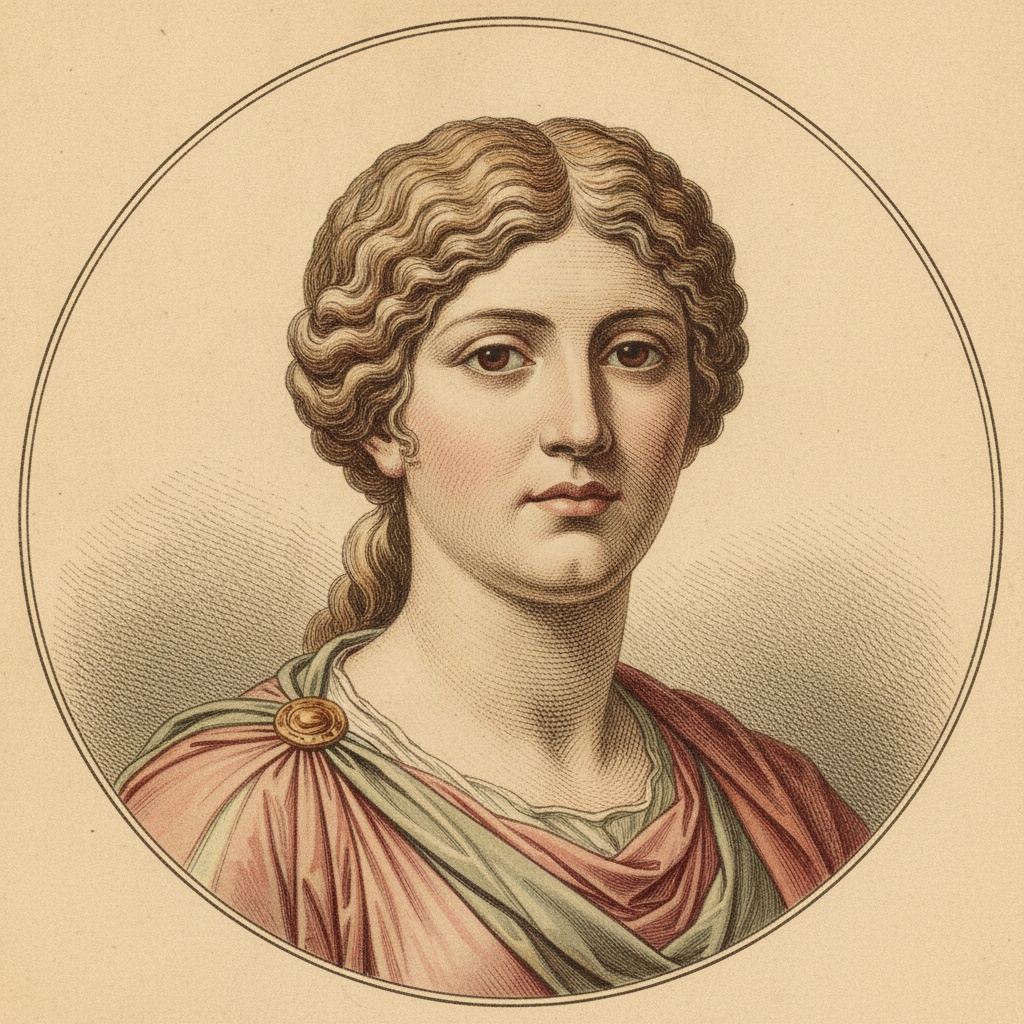
His wife, Julia Domna, was the daughter of the hereditary priest of the sun-god of Emesa in Syria, and she and her sister Maesa would decide who ruled Rome for the next forty years. She kept a circle of philosophers and sophists at court and commissioned from Philostratus the life of the wandering holy man Apollonius of Tyana. Her enemy was the praetorian prefect Plautianus, Severus’ countryman, whose daughter married the elder son and whose power ended in 205 when that son, Caracalla, had him killed in the palace. In 208 Severus, gouty and past sixty, took his family and a great army to Britain, repaired Hadrian’s wall and campaigned two seasons into Caledonia to give his quarrelling sons something to do. He died at Eburacum on 4 February 211. Dio, who sat in his Senate, reports the last advice he gave his sons: agree with each other, enrich the soldiers, and despise everyone else.
 Click to enlarge
A.D. 211–235The Severan women and the end of the line
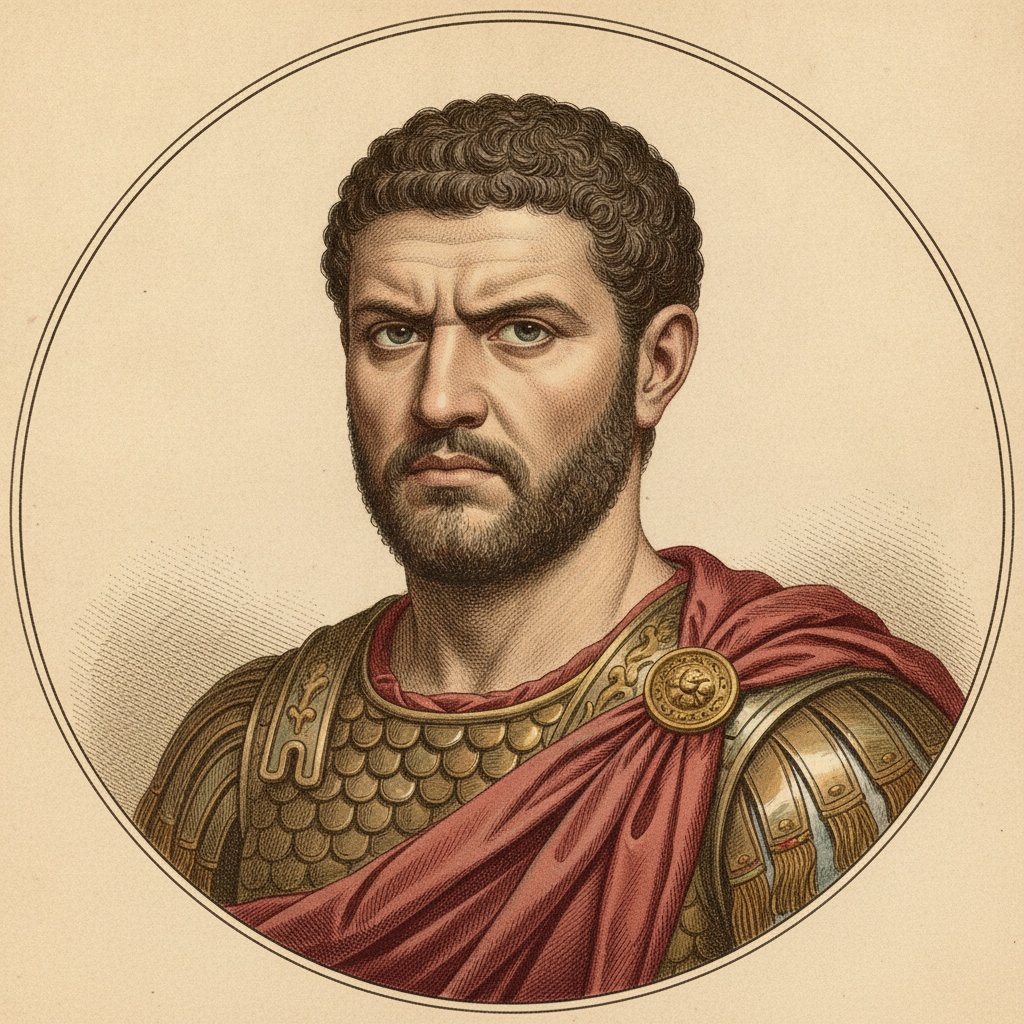
The sons agreed for ten months. At the end of 211 Caracalla had Geta killed by centurions in their mother’s apartments, in her arms according to Dio, then went to the praetorian camp, announced that he had escaped a plot, and raised the pay again. Geta’s name was chiselled off every stone in the empire and, Dio says, twenty thousand of his friends and servants followed him. In 212 Caracalla issued the edict that made every free inhabitant of the empire, with some exception for the lowest class of freedmen, a Roman citizen. A papyrus preserves fragments of it; Dio, who disliked him, says the motive was the inheritance tax that only citizens paid. Whatever the motive, the distinction on which the whole republican and Augustan order had rested, Roman and provincial, ceased that year to exist in law. In 215 he issued a new silver coin, the antoninianus, tariffed at two denarii and weighing about one and a half, which is a tax on everyone who accepts it. He fought the Alamanni on the upper Rhine in 213, the first time that name appears, marched east in imitation of Alexander, massacred the young men of Alexandria who had mocked him, and was killed on 8 April 217 near Carrhae, having dismounted on the road to relieve himself, by a soldier acting for his praetorian prefect Macrinus.
Macrinus, an equestrian lawyer from Mauretania, was the first emperor who had never been a senator. He fought an indecisive battle with the Parthians at Nisibis, bought peace for two hundred million sesterces, and tried to cut the pay of new recruits, which was enough. Julia Maesa, Domna’s sister, sent home to Emesa, had two grandsons, and she let it be known to the Syrian legions that the elder, a fourteen-year-old priest of the sun-god called Varius Avitus, was Caracalla’s natural son. The Third Gallic Legion proclaimed him in May 218 and Macrinus was beaten outside Antioch in June. The boy reigned four years as Elagabalus, the name of his god, whose black stone he brought to Rome in procession and set above Jupiter; he married a Vestal, offended every order of Roman society at once, and when Maesa saw the soldiers had had enough she transferred her interest to her younger grandson. The Guard killed Elagabalus and his mother in March 222 and dragged their bodies to the Tiber.
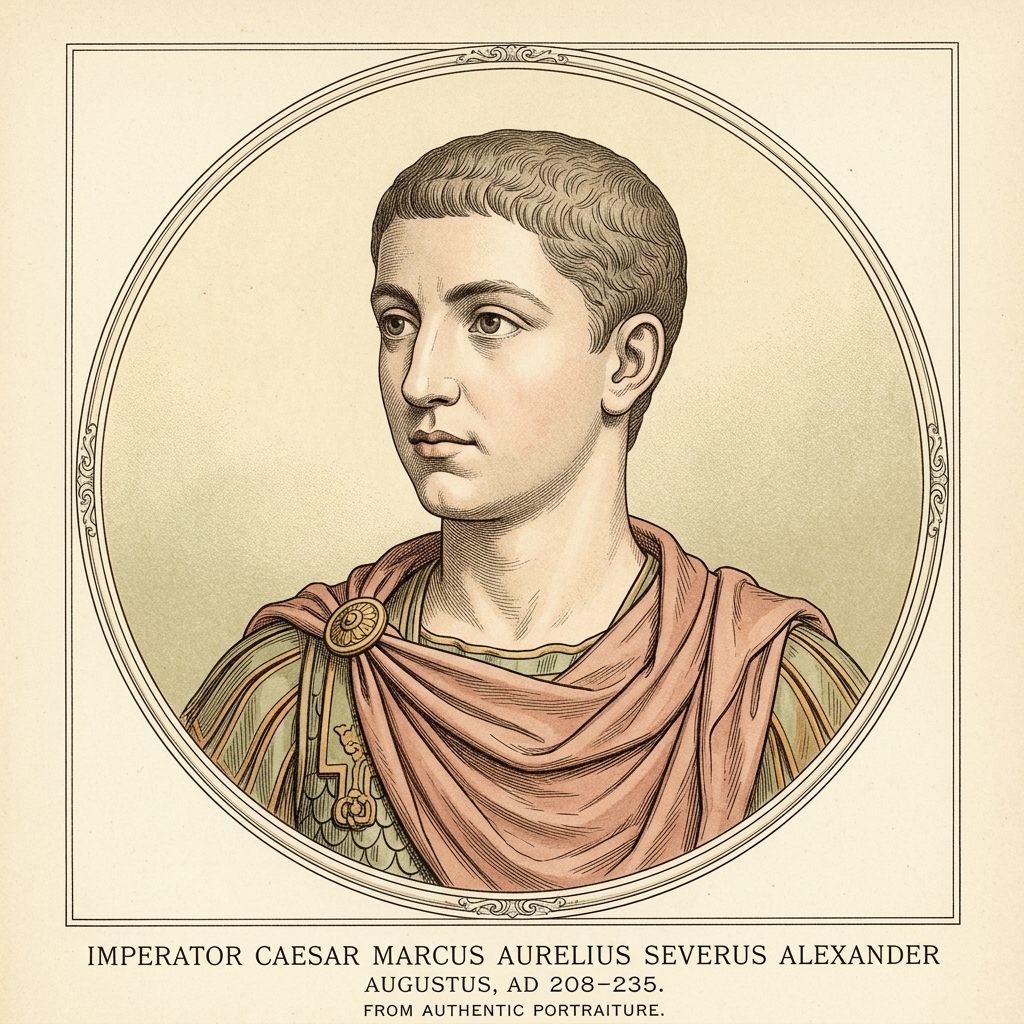
Severus Alexander was thirteen. For thirteen years his mother Julia Mamaea governed through a council of senators. The great jurist Ulpian, made praetorian prefect at the start of the reign, tried to discipline the Guard, and in 223 the guardsmen murdered him in the palace in front of the emperor and his mother. Dio, consul for the second time in 229, was told to spend his consulship outside Rome because the guardsmen had threatened to kill him too. The reign was decent, thrifty and unlucky. In 224 the Persian Ardashir, lord of Fars, overthrew the last Parthian king and founded the Sasanian dynasty, which unlike the Parthians had a state religion, a centralised court and, Herodian says, a claim to every land the Achaemenids had held to the Aegean. Alexander’s campaign against him in 231–233, in three columns, lost one of them and settled nothing. In 234 the Germans crossed the Rhine, and the emperor went to Mogontiacum and tried to buy them off. To the Pannonian recruits training there this was proof of what they thought of a Syrian boy and his mother, and in March 235 they proclaimed their drill officer, a huge Thracian of peasant birth named Maximinus, and killed Alexander and Mamaea in their tent. The Severan house ended as it had begun, in a camp, and there was no dynasty to follow it.
Why it mattered
The century from Antoninus to Alexander is where the second-century empire, which the Antonines’ subjects thought the happiest age of mankind, turned into the third-century one. The instruments were all there by 235: the plague and the German wars that ate the surplus; the Danubian army that discovered in 193 it could make an emperor and in 235 that it could unmake one; the pay rises paid for by debasing the coin; a citizenship so general that it no longer meant anything; and, across the Euphrates, a Persia that wanted a war and could sustain one. What was missing was any rule for who should be emperor. Marcus had been the last to inherit from a man who chose him for merit, and Commodus, Caracalla and Elagabalus were what heredity produced. For the next fifty years the soldiers decided instead, and the next chapter is what that cost.