Magistrates
Consuls commanded armies and presided; praetors administered justice; tribunes proposed laws and could veto public business.
Law, elections, military service, money, and the long change from a citizen body that governed an empire to an empire that registered every body for service.
In 133 B.C. a tribune placed an agrarian bill before the Roman people. The bill revived a limit on the occupation of public land and created a commission to distribute what was recovered. Its opponents did not merely dispute acreage. They asked whether one tribune could depose another, whether the people could seize a field long treated as private property, and whether an assembly summoned by a magistrate could overrule the Senate's command of money and empire. Before the year ended, Tiberius Gracchus and hundreds of his followers were dead.
That collision reveals what Roman law was. It was not a code standing above politics. It was one of politics' sharpest weapons. A law could decide who voted, who judged a governor, who received conquered land, and who qualified for a legion. It could turn allies into citizens and political rivals into public enemies. In the later Empire it could value a coin, cap the price of a day's labour, order a landowner to provide a recruit, and keep the child of a shipper within the shippers' corporation.
This chapter follows that movement. It begins with a Republic in which citizenship joined privilege to military duty. It ends with a state whose laws sought dependable taxpayers, soldiers, bakers, councillors, and grain carriers. The change was neither steady nor complete. The repeated laws against bribery, extortion, flight, and evasion prove as much about the limits of government as they do about its ambitions.
Rome had no single written constitution and no legislature equivalent to a modern parliament. Power lay in the friction between magistrates, Senate, assemblies, custom, and courts.
The Republic began with an annual exchange. Citizens elected magistrates and expected those magistrates to lead them in war; magistrates asked the Senate for money and continuity; the Senate depended on magistrates to summon the people and execute policy. Polybius, watching the system near its height in the second century B.C., found monarchy in the consuls, aristocracy in the Senate, and democracy in the assemblies. Each part could obstruct the others.1
A lex was a measure placed by a magistrate before the citizen body and accepted or rejected as a whole. A plebiscitum began as a resolution of the plebeians, meeting without the patricians. By the lex Hortensia of 287 B.C., such resolutions bound the whole community. A senatus consultum was formally the Senate's advice. It could direct governors, allocate funds, receive embassies, and determine policy with enormous force, but it was not ordinarily a statute passed by the Senate. That distinction matters whenever we speak of a law “debated in the Senate”: senators could frame it, obstruct it, intimidate its sponsor, or direct an allied tribune to veto it; the assembly still supplied the formal vote.
Consuls commanded armies and presided; praetors administered justice; tribunes proposed laws and could veto public business.
Former magistrates advised for life, controlled the treasury and foreign policy, assigned commands, and supervised contracts.
Citizens elected officials, passed statutes, ratified war and peace, and in some periods judged grave public cases.
The arrows ran in every direction: a consul needed Senate funds and popular ratification; the Senate could be stopped by a tribune; an assembly needed a magistrate to summon it and put a question.
The Twelve Tables, traditionally dated to 451–450 B.C., did not create equality. They exposed rules that patrician magistrates had previously guarded as customary knowledge. They also preserved a severe household order, debt remedies, class distinctions, and paternal authority. Their achievement was publicity: a citizen could now point to a rule rather than depend entirely on an aristocrat's memory.
The long “struggle of the orders” then opened offices and priesthoods to plebeians. Roman tradition placed a decisive compromise in the Licinian-Sextian measures of 367 B.C., which dealt with debt and public land and required access for a plebeian to the consulship. The details come from much later narratives and cannot be treated like a surviving inscription. The institutional direction is clear. An aristocracy once defined by birth became a nobility of office: patrician and plebeian families competed for the same magistracies and then sat together in the Senate.2
Most Republican magistrates were elected; most senators arrived through office and censorial enrolment; most provincial commands went to men who had already held office.
A young aristocrat built a public career—the cursus honorum—through military service, elections, and increasingly expensive displays of generosity. The quaestorship opened a path into the Senate. Aediles managed markets, streets, and games. Praetors administered law and could command armies. Two consuls stood at the summit. The lex Villia annalis of 180 B.C. imposed an ordered sequence and minimum intervals; Sulla later fixed ages and strengthened the ladder. The rules restrained competition, but they also turned a small number of annual offices into prizes for which wealthy families spent heavily.
The Senate did not begin as a hereditary chamber, though noble birth made election easier. Censors revised its roll; over time, tenure became effectively lifelong unless a censor removed a man for disgrace. A senator's son inherited access, connections, and expectation rather than the seat itself. Under the emperors the old offices survived, but recommendation from the prince increasingly decided elections, and imperial appointment opened a separate ladder of procurators, prefects, governors, and palace officials. The republican vocabulary remained while the source of advancement moved toward the court.
Roman citizens voted in person at Rome, not through representatives. The assembly of centuries elected consuls, praetors, and censors. Its units were arranged partly by wealth, and the wealthier centuries voted early; once a majority of units had been reached, the count stopped. The tribal assemblies elected lesser magistrates and voted on legislation, with each of the thirty-five tribes casting one collective vote. A citizen in a crowded urban tribe therefore had less influence than one in a thinly attended rural tribe.
The ballot laws introduced written tablets in stages: for elections in 139 B.C., popular trials in 137, legislation in 131, and treason cases in 107. On a bill the marks meant uti rogas, “as you ask,” and antiquo, “I reject; keep the old.” Secrecy protected choice, but it did not remove patronage, intimidation, or purchased votes.3
Campaigning was personal. Candidates appeared in a whitened toga, greeted voters by name, relied on friends to escort them, and promised games, favour, and access. Roman law drew an unstable boundary between acceptable generosity and ambitus, corrupt canvassing. The lex Acilia Calpurnia of 67 B.C. and Cicero's lex Tullia of 63 increased penalties; the latter threatened ten years of exile. Fresh statutes followed because the market for office survived every prohibition. A prosecution for bribery could punish a buyer of votes, remove a rival, or do both at once.4
The most dangerous Roman laws joined a material prize to a constitutional question: land and who could distribute it; citizenship and who belonged; command and how long one man could hold it.
The Senate's best defence was often procedural. A friendly tribune could veto a bill. Religious officials could report bad omens. A consul could refuse to preside. The Senate could declare a public emergency or give the sponsor a distant command. Popular leaders answered by suspending business, replacing opponents, or carrying the measure directly to an assembly. The constitution offered both sides tools. Once each side treated the other's tool as illegitimate, law ceased to contain the dispute.
| Date | Measure | What changed—and why it was fought |
|---|---|---|
| 287 B.C. | Lex Hortensia | Plebiscites bound all citizens. The settlement ended the last traditional secession of the plebs and made the plebeian assembly a general lawmaking body. |
| 218 B.C. | Lex Claudia | Restricted senators and their sons from owning large seagoing ships. It marked an uneasy boundary between political rank and large commercial enterprise. |
| 149 B.C. | Lex Calpurnia de repetundis | Created the first permanent court for recovery from extortionate governors. The struggle soon moved to who would sit on its juries. |
| 133 B.C. | Tiberius Gracchus' agrarian law | Recovered excess occupation of public land for small allotments. A tribune's veto, his removal by vote, and the Senate's resistance ended in the first great political killing of the late Republic. |
| 123–122 B.C. | Gaius Gracchus' programme | Fixed-price grain, colonies, Asian tax contracts, and equestrian juries redistributed power across the citizen poor and moneyed knights. His citizenship bill failed; he too was killed. |
| 91–89 B.C. | Italian citizenship laws | Drusus' failed proposal preceded the Social War. The lex Julia and lex Plautia Papiria then granted the rebels' central demand and brought most of Italy into the citizen body. |
| 82–79 B.C. | Sulla's constitutional laws | A dictatorship charged by its title with writing laws and settling the state enlarged the Senate, weakened tribunes, regularised commands, and backed reform with confiscation and proscription. |
| 67–66 B.C. | Leges Gabinia and Manilia | Gave Pompey commands against pirates and Mithridates on a scale that opponents feared would place armies and provinces under one man. |
| 43 B.C. | Lex Titia | Made Octavian, Antony, and Lepidus triumvirs “for settling the state.” A popular statute legalised five years of extraordinary authority, proscriptions, and civil war. |
| 27 and 23 B.C. | Augustan settlements | Augustus surrendered selected powers and received others in durable forms: provincial command, tribunician power, and precedence. Republican offices continued beneath a monarchy. |
| A.D. 212 | Constitutio Antoniniana | Caracalla granted Roman citizenship to almost every free inhabitant of the Empire. The surviving papyrus is fragmentary, and claims that tax alone explains the grant go beyond the evidence. |
| A.D. 301 | Edict on Maximum Prices | Diocletian set ceilings for more than a thousand goods and services under severe penalties. The inscription records determination, not proof of success. |
Shaded rows directly accompanied civil or interstate war.
The citizenship crisis shows the pattern most plainly. Italian allies supplied troops and shared Rome's dangers while lacking the Roman vote, appeal, and access to office. Reformers raised the question for decades. Opponents feared not only new voters but a redistribution of land, juries, and patronage. When the tribune Livius Drusus was murdered in 91 B.C., allied communities formed their own federation and army. Rome defeated them by conceding their cause through the laws of 90 and 89. The Social War made the Italians Romans and then delivered hundreds of thousands of new citizens into a fresh dispute over how they would be distributed among the voting tribes.5
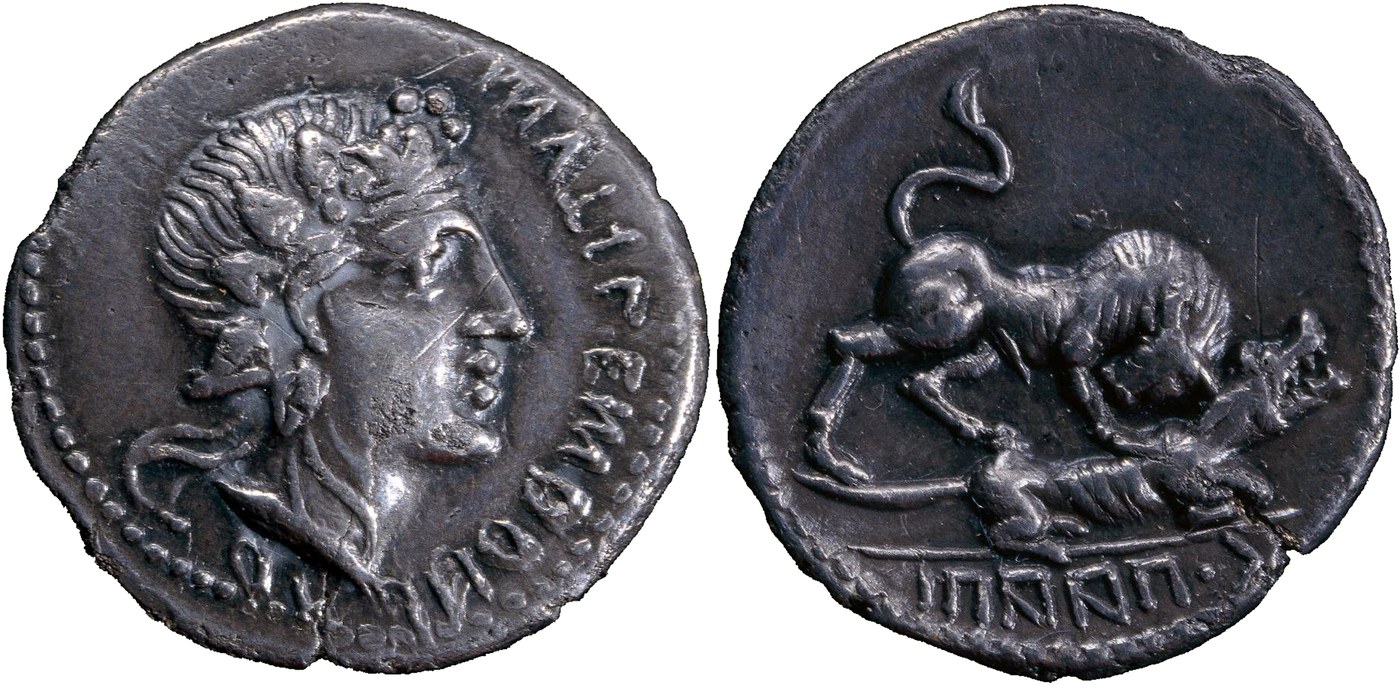
The Republic's last century was therefore not lawless. It produced a torrent of laws. The danger was that statutes could grant commands too large to surrender, validate acts imposed by force, or punish whole classes after victory. Sulla's dictatorship and the triumviral lex Titia are the clearest warnings. Both clothed exceptional power in legal form. Civil war did not destroy law from outside; victors used law to define what their victory meant.
The answer changed from property-owning citizens levied for campaigns, to long-service professionals, to a late imperial mixture of volunteers, compulsory quotas, soldiers' sons, and foreign recruits.
In Polybius' second-century account, consuls announced an annual levy and Roman men of military age assembled on the Capitol. Infantrymen owed up to sixteen campaigns before the age of forty-six in normal conditions; cavalrymen ten. Men below the property threshold served in the fleet, though emergency could bring them into the infantry. Italian allies were summoned under treaty and provided large infantry and cavalry contingents under their own officers. The army that conquered the Mediterranean was never composed only of full Roman citizens, even though the legions themselves were.1
Property qualification joined farm, vote, and shield. A citizen recorded by the census as able to equip himself could be placed in a wealth class, vote in a century, and be levied. That link helps explain why Tiberius Gracchus presented land distribution as a military repair: restore smallholders and Rome would recover recruits. Yet there was no single statute in which Marius later “created a professional army.” In 107 B.C. he accepted poor volunteers for the war against Jugurtha. This made visible a longer shift driven by repeated overseas service, state-issued equipment, commanders' need for men, and soldiers' hope for pay and land.
Adult male citizens above a census threshold entered the legionary levy; poorer citizens could serve at sea; allied Italian communities supplied separate contingents.
Poor volunteers became normal, service lengthened, and armies looked to commanders for booty and settlement. Citizenship spread across Italy after the Social War.
Citizen legionaries enlisted for long terms. Non-citizen auxiliaries served beside them; after about twenty-five years, an honourable discharge commonly brought citizenship and lawful Roman marriage.
Nearly all free imperial inhabitants were citizens, so the legionary–auxiliary civic distinction lost its old function. Recruitment drew heavily on frontier provinces and men beyond the Empire.
Volunteers remained, but landowners could be ordered to furnish recruits or money; military families faced hereditary duty; settled foreign groups supplied soldiers. Enforcement varied by period and province.
The imperial diploma makes the bargain physical. Two bronze tablets recorded that a named auxiliary veteran had served and received citizenship and the right of Roman marriage. One surviving British Museum diploma, issued under Trajan in A.D. 103, names Reburrus, a Spanish cavalry officer. His twenty-five years transformed not only his legal status but that of his family.6
Caracalla's universal grant changed the meaning of service. Citizenship could no longer be the general reward offered to provincial auxiliaries, because most free provincials already possessed it. By the fourth century, laws reveal a government searching for recruits through several channels. Sons of soldiers could be required to serve. Landowners could deliver a suitable man as part of a levy. Some recruits mutilated themselves to escape. Yet the same army could lift a man of modest origin to high command, and it relied increasingly on volunteers and outsiders. The law announced obligation; the surviving evasions show that obligation was never automatic.7
Rome's unusual strength was its willingness to make outsiders Roman. Its recurring crisis was deciding how much of Rome they would receive.
Citizenship was a bundle, not a feeling. Its contents varied by date and grant: the right to contract a Roman marriage, own and transfer property under Roman law, appeal against a magistrate, vote, stand for office, and receive protection from certain punishments. Some communities held “Latin rights”; some people possessed private legal rights without the vote; freed slaves acquired a restricted form of citizenship; women were citizens without political votes or magistracies.
Expansion followed several routes. Rome incorporated defeated neighbours, founded colonies, granted status to communities, manumitted slaves, rewarded soldiers, and allowed local elites to climb through municipal office. The Social War extended citizenship across Italy in one violent surge. Under the emperors, provincial notables entered the Senate and non-citizen soldiers earned diplomas. Citizenship spread because it attached local ambition to Roman rule.
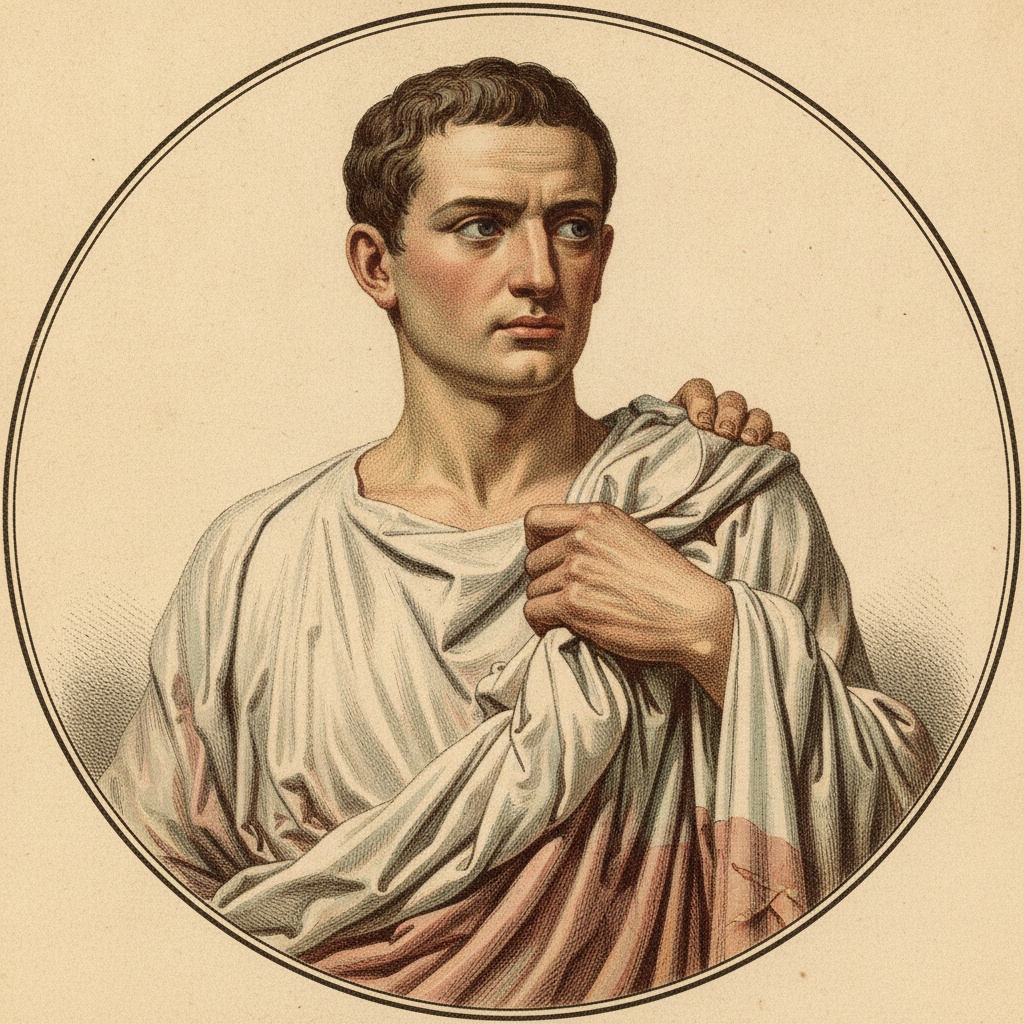
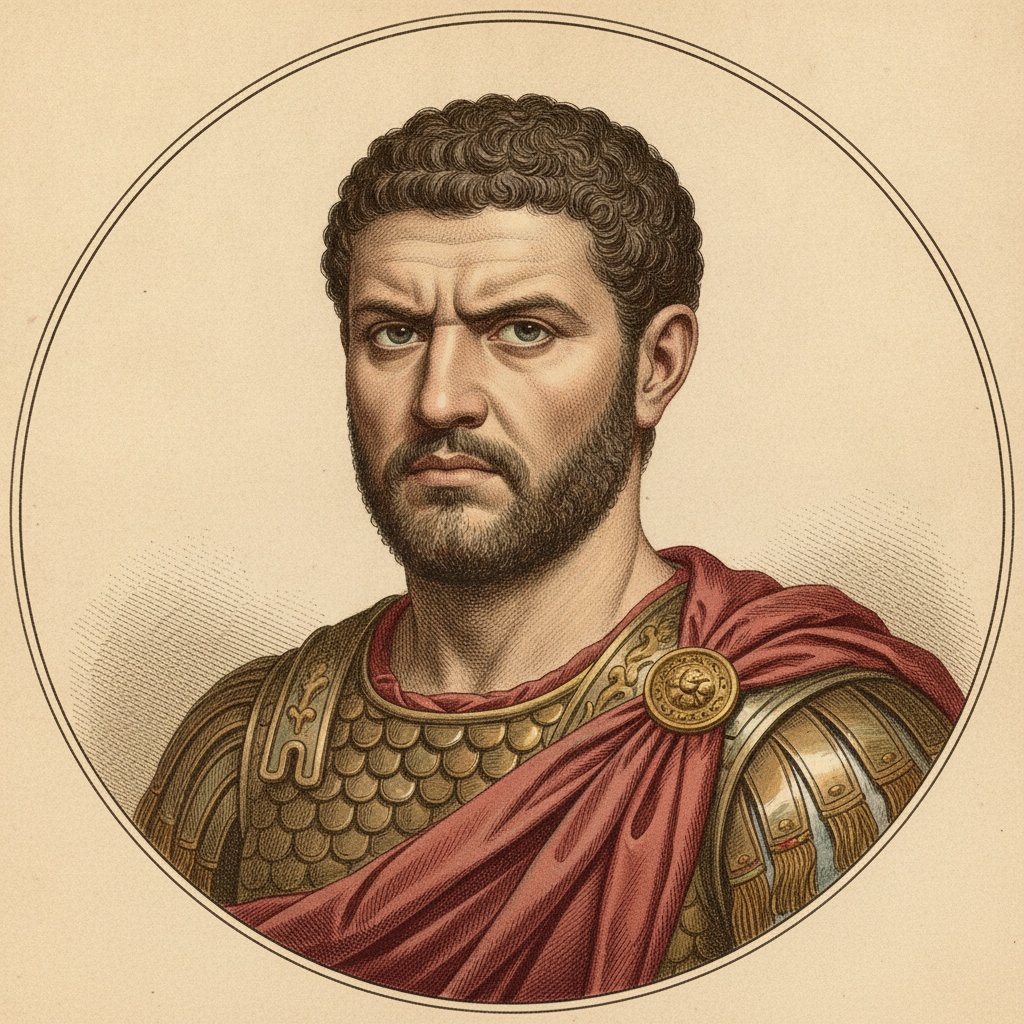
The Constitutio Antoniniana of A.D. 212 completed the legal expansion. Papyrus Gissensis 40, the only surviving fragmentary copy of its wording, preserves enough to show a vast grant to the free inhabitants of the Roman world. Cassius Dio later tied Caracalla's decision to taxes that fell on citizens, especially inheritance and manumission dues. Revenue may have mattered; religious universalism, military politics, and the practical regularisation of status have also been proposed. The papyrus is too damaged to make tax the single certain explanation.8
Universal citizenship was a triumph of incorporation, but it also changed the bargain. The vote had already ceased to decide imperial government. The valuable distinction between citizen legionary and non-citizen auxiliary faded. What remained universal was exposure to Roman courts, registration, taxation, and imperial orders. Rome had widened citizenship until it described almost the entire free population; power had meanwhile moved away from the citizen assembly.
Conquest created opportunities larger than the Republic's safeguards: a governor could recover the cost of election from a province, while contractors made public revenue a private investment.
Rome first answered provincial extortion in 149 B.C. with the lex Calpurnia de repetundis, establishing a permanent recovery court. Its weakness was political. Senators governed provinces and senators initially judged accused governors. Gaius Gracchus transferred the juries to the equestrian order, the wealthy rank below the Senate. Sulla returned them to senators; later laws mixed the orders. Each rearrangement claimed impartiality and gave one political body authority over another. The surviving lex Acilia shows an elaborate attempt to turn provincial complaint into procedure, with rules for jurors, evidence, and repayment.9
Electoral expense fed the problem. A candidate borrowed for games, gifts, entourages, and influence. Success brought a magistracy and then perhaps a province. There he dealt with allied kings, military requisitions, judicial fees, and tax collectors. A prosecution on return might punish genuine plunder, serve a faction, or fail because witnesses could not match the defendant's wealth and patrons. Cicero's prosecution of Verres became famous because it made the whole chain visible.
Rome lacked a large salaried fiscal service. It therefore auctioned contracts for taxes, mines, customs, army supply, and public works. A company of publicani, commonly organised by equestrian investors, bid for the right to collect a revenue. The state received a predictable commitment; the company assumed risk and sought a surplus. Gaius Gracchus' Asian arrangements placed major contracts at auction in Rome, far from the people who would pay them.10
This was not an unregulated licence to steal. Contracts specified obligations; governors and courts could hear complaints; communities negotiated assessments. But the incentives were plain, and the investors who collected taxes could also belong to the order supplying jurors. In A.D. 58, public anger at the collectors made Nero consider abolishing indirect taxes. The Senate argued that revenue held the Empire together. The resulting edict ordered fiscal rules to be published, limited stale claims, prioritised suits against collectors, and removed some invented charges. Tacitus says parts were soon disregarded.11
Under the emperors, censuses, local councils, procurators, and direct assessments reduced the Republic's dependence on great tax farms, though private collection continued, especially for customs and other indirect dues. Diocletian's government systematised assessments of land and productive population and demanded much of the army's supply in kind. Municipal councillors—the curiales—became responsible for collecting quotas and could be held for shortfalls. Fiscal liability moved closer to land, city, and registered status.

Rome did not possess a central bank or a modern theory of inflation. It did possess mints, tax demands, official denominations, metal standards, and the coercive power to assign values and prices.
The silver denarius gave the Republic and early Empire a remarkably durable accounting unit. Emperors could change its weight and fineness, call in old issues, strike more coin for armies, and accept or demand particular money in taxes. Nero reduced the denarius standard in A.D. 64. Later emperors made further reductions, particularly under the Severans. Caracalla introduced the radiate coin modern scholars call the antoninianus, apparently valued at two denarii but containing far less than twice the silver. By the later third century its descendants could contain less than five per cent silver beneath a surface wash.12
Schematic only: size and colour show the direction of reform, not an exact metallurgical scale. Coin standards varied by issue and mint.
Debasement helped the state stretch available bullion across payrolls, but it was not a solitary cause that mechanically produced every rise in prices. Civil war multiplied armies and mints. Invasions disrupted mines, farms, and transport. People discounted unfamiliar issues or demanded payment in kind. Taxes and official accounts could be revalued. The evidence for market prices is scattered. What can be seen is a collapse of trust in base coin, repeated reforms, and nominal sums growing to extraordinary size.
Aurelian regularised a better silvered radiate after suppressing a revolt connected with the Rome mint. Diocletian created a new system of gold, silver, and large silvered bronze coins. In A.D. 301 he also issued the Edict on Maximum Prices. Its long surviving schedules cap prices and wages across the Empire and threaten severe punishment for evasion. The edict blamed greed and loss of discipline; it could command a legal maximum but could not create grain, metal, transport, or trust. It soon ceased to govern ordinary exchange.13
Constantine established a gold solidus struck at seventy-two to the Roman pound. The coin held its weight and fineness for centuries and gave government, soldiers, and long-distance trade a stable high-value standard. Bronze denominations below it still depreciated and changed. Stability therefore arrived unevenly: the tax system and the wealthy could calculate in gold while poorer exchange remained exposed to unstable small coin and payments in kind. Monetary reform strengthened the state without restoring the old denarius world.
Republican Rome asked which citizens would govern and fight. Late imperial Rome asked which registered people and properties would keep the army, the cities, and the grain ships moving. The word “citizen” had expanded across the Empire; the practical freedom carried by that word had changed with it.
This essay synthesises ancient texts, surviving statutes and inscriptions, museum objects, and public-domain historians published before 1950. Early Republican laws survive through later writers; the late imperial codes preserve official demands more clearly than daily compliance. No direct quotation appears in the chapter.